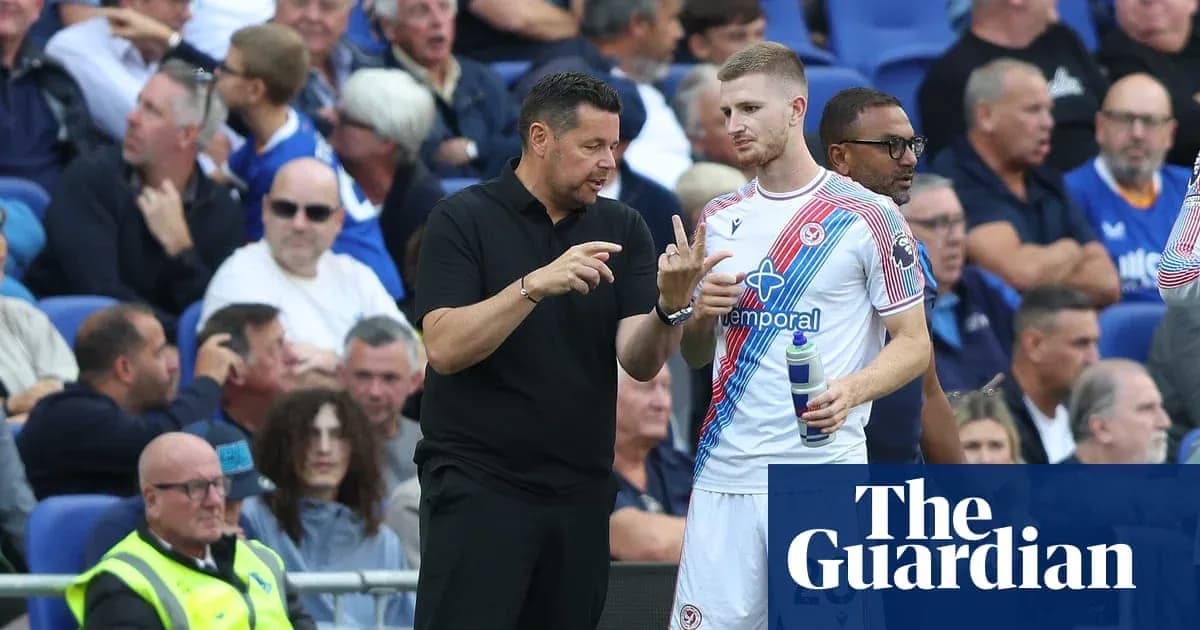
Pierre Sage Faces Challenges at Crystal Palace
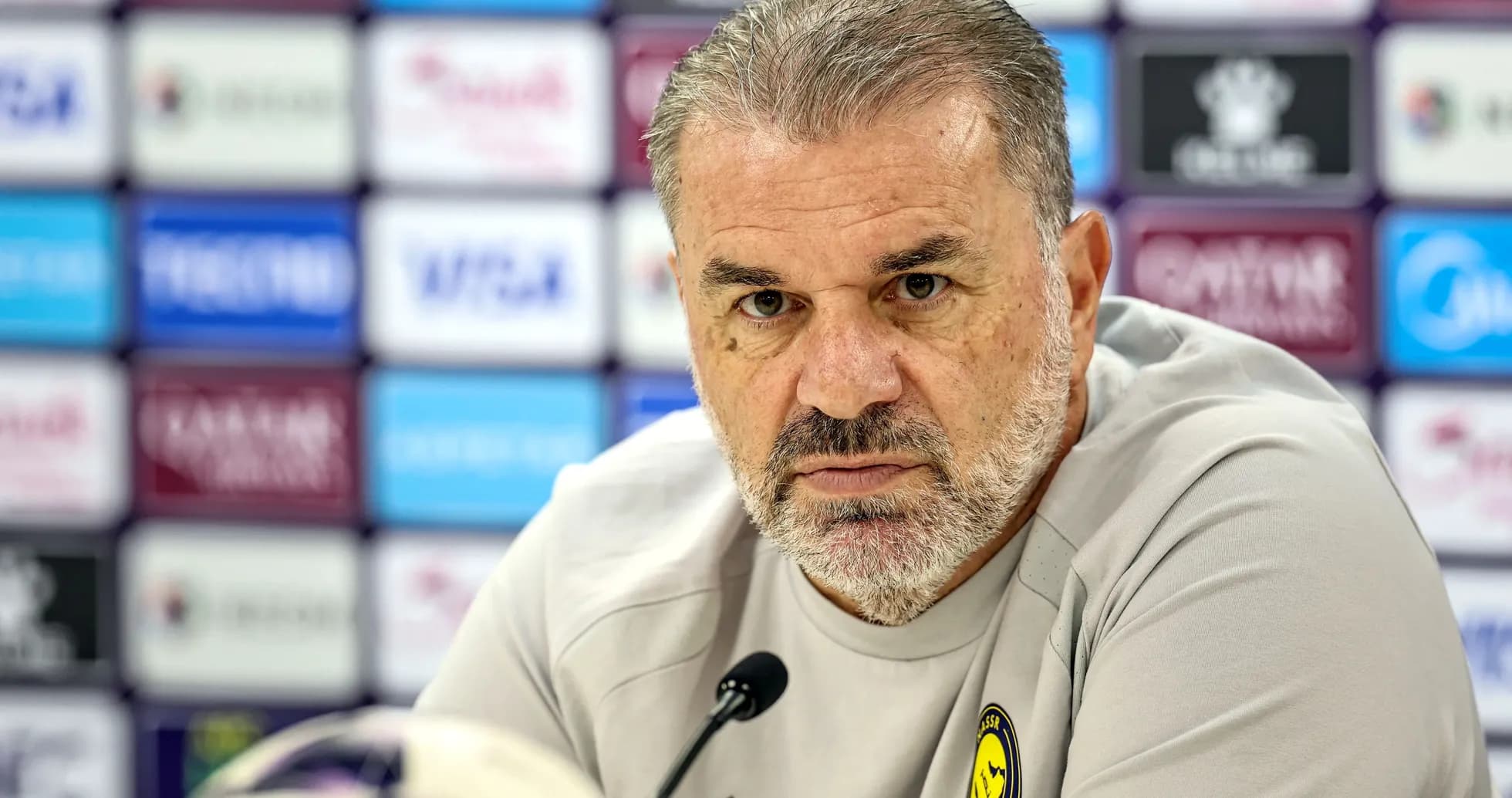
Pierre Sage walked into Crystal Palace with his eyes open. He had studied the club, studied the chaos, studied the expectations that come with following Oliver Glasner after the most successful spell in Palace’s history. Research, though, can only prepare you so much.
Two defeats – to Everton and Manchester City – have already underlined how sharp the step up is. Around him, key figures from that Europa Conference League triumph flirted with the exit. The new man in the Selhurst Park dugout has been trying to steer a team while the floor shifted beneath his feet.
Late deals and thin margins
Palace’s transfer windows have become deadline‑day theatre. Sage knew that. He had been warned about the club’s habit of doing business late, of scrambling when others have long since settled. Ten signings on the final day across the past three summers told its own story.
“I knew that and I had to deal and adapt to that,” he said. No complaint, no public agitation. Just a clear line: get the profiles he wants, however late they arrive. On that front, he insists, Palace “are in line with what we need”.
The summer still carried a familiar tension. Ismaïla Sarr and Jean‑Philippe Mateta were both expected to go, with Liverpool and Aston Villa circling. Both stayed. Palace also brought in four new players after losing out to Sunderland for Malick Fofana in one of the window’s most dramatic finales. The Belgian forward had been a priority. He slipped away regardless.
Replacing Lacroix, or trying to
Glasner, now at Nottingham Forest and joined there by Daniel Muñoz, never hid his irritation at Palace’s habit of leaving business late. Sage has chosen a different tone in public. Behind the scenes, though, there was clear frustration as Palace struggled to replace Maxence Lacroix, sold to Chelsea in July.
Sage’s first choice was obvious: Ismaëlo Ganiou. The 21‑year‑old had been central to Sage’s Lens side that won the Coupe de France and finished second in Ligue 1 last season. Palace pushed. Lens resisted. Ganiou signed a new contract at the start of August and the door slammed shut.
Other options came and went. A move for Joel Ordóñez collapsed because the Club Brugge defender is still recovering from a broken foot. Chrislain Matsima at Augsburg and Raphaël Le Guen at Brest were both pursued without success. Axel Disasi eventually arrived, along with teenager Honest Ahanor on loan, to shore up the back line.
Yet the question lingers: has anyone really replaced Lacroix’s authority and presence at the heart of this defence?
Targets missed, compromises made
It was not just at centre‑back that plans frayed. Palace tried to lure Mamadou Sangaré from Lens to strengthen midfield. He chose Brentford instead. Another miss, another pivot.
Sage then drove the pursuit of Fofana, this time from Lyon, another of his former clubs. Deadline day turned into a barrage of calls to the forward. The answer never changed. Fofana went to Sunderland.
“I’m really proud and happy with what the club did for that,” Sage said. “We fight a lot and sometimes you cannot give more than this, but we give our best in this situation. At the end, the player chooses.”
Palace turned to Dario Osorio, the Chile forward from Midtjylland, secured on an initial loan with an obligation to buy next summer for £26m. He operates mainly from the right, not through the middle like Fofana. It is a solution, but not quite the one originally drawn up.
Attack stocked, questions elsewhere
Up front, at least on paper, Palace are not short. Dwight McNeil has arrived. Evann Guessand too, although he has been left out of the Europa League squad. Sarr stayed, even if his mind has clearly been elsewhere. The club also moved to reinforce midfield, bringing in Ben Chilwell and adding Quinten Timber late in the window.
Those deals, plus Palace’s firm stance over Adam Wharton, have gone some way to easing concerns. Bids from unnamed clubs were turned away; Manchester City and Chelsea were among those who had looked closely at the midfielder. “The club was strong with the situation, and I think the player is completely in line with that,” Sage said.
Still, the wider picture is stark. After breaking their transfer record twice in January for Jørgen Strand Larsen and Brennan Johnson – the latter ultimately swapped for McNeil with Everton – Palace’s summer ended with almost £40m in net profit. Only Aston Villa recorded a lower net spend in the division. Over the past five seasons, Hull and Coventry, both in the Championship, have invested more than Palace’s £90m.
“We are not a bank”
Sage has no interest in playing the aggrieved manager. When suggestions surfaced that he was unhappy with the club’s summer work, he reached back to Belley, the town in eastern France where his parents ran a brasserie.
“I’m not frustrated – we are not a bank,” he said. “We do with what we have. My parents had a restaurant and I prefer every day there’s a lot of clients but it was not the case sometimes and we have to deal with that every day. In football it’s the same.”
It is a revealing analogy. Some nights the room is full, the orders flow, the margins are healthy. Other nights, you make do with what walks through the door. Palace’s squad feels like that menu: some premium dishes, some smart value, a couple of missing ingredients.
Fulham away, with key pieces missing
The next test comes at Fulham on Saturday, and Sage will go into it without Sarr and Mateta. Mateta’s hamstring injury, which scuppered any late move away, will keep him out for another three weeks. Sarr should be back from a groin problem for the game against Ipswich next Saturday, but he is still working through the impact of Liverpool’s interest, which prompted his agent to release a statement criticising the way the player had been treated.
“He needs time,” Sage admitted. Time is the one commodity managers rarely get in the Premier League.
Palace have a coach who accepts the chaos, a squad built on compromise and calculation, and a fanbase that has tasted European glory and wants more. The window is closed. The noise has stopped. Now Sage has to prove that making do can still mean moving forward.