Political Battle Heats Up Over 2030 World Cup Final
The battle to host the 2030 World Cup final has already started – and it is being fought as much in political halls as in football boardrooms.
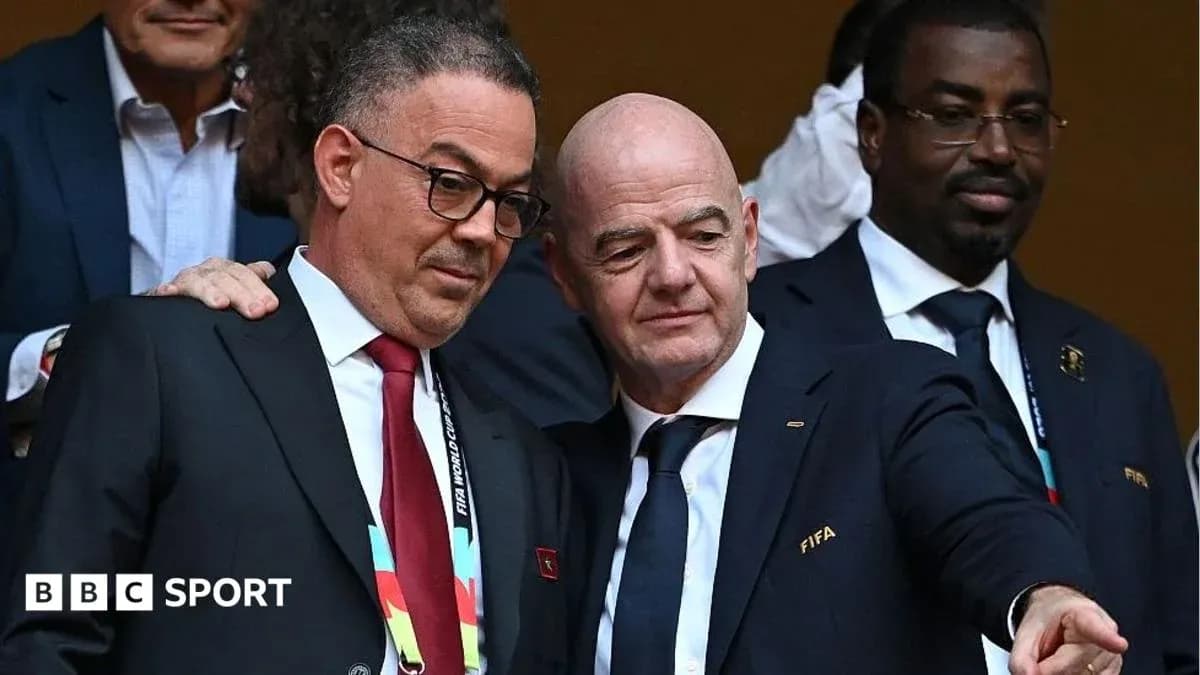
Morocco’s prime minister Aziz Akhannouch has publicly rebuked Fouzi Lekjaa, the powerful president of the Moroccan football federation (RMFF), telling him to stop promising that Casablanca will stage the showpiece match before any agreement has been reached with co-hosts Spain and Portugal.
The message was blunt. And it was delivered in front of a crowd.
At a political rally, Akhannouch turned to Lekjaa and said: “Do not offer to host the big final game in Morocco while we still have not discussed the matter with our allies, Spain and Portugal.
“There should be some respect, brothers. Stop using electoral promises to pull the rug out from under us. These are huge matters. Deciding where the final will be held is a major issue.”
Lekjaa had previously told a political party event that Casablanca would have the “honour” of hosting the final, a line that played well domestically but cut across the delicate diplomacy required in a tri-nation bid.
A World Cup split across continents – and ambitions
The 2030 men’s World Cup is already unique. Morocco, Spain and Portugal will co-host the tournament, while the opening three matches are scheduled for Uruguay, Argentina and Paraguay to mark the centenary of the first World Cup.
A list of candidate host stadiums is on the table, but nothing is signed off. Fifa has been clear on that point, issuing a short, cool line: “A decision will be made in due course.”
That single sentence underlines the reality. No city, no country, has the final yet – no matter how confidently their officials speak.
Still, the lobbying has started in earnest.
Spain push hard: “It cannot be any other way”
On the other side of the Mediterranean, Spain is already talking like the natural home of the 2030 final.
Rafael Louzan, president of the Spanish football federation (RFEF), has stated plainly that he expects the decisive match to be played on Spanish soil, and believes Spain’s recent success has only strengthened that case.
“Even though no decision has been taken, I believe Spain is the place because it cannot be any other way,” he told Cadena SER radio station. “As you know, we are currently world champions.
“I believe Spain's organisational capacity for major events is beyond question and that is why reality dictates that the grand final cannot and must not be held anywhere other than in Spain.”
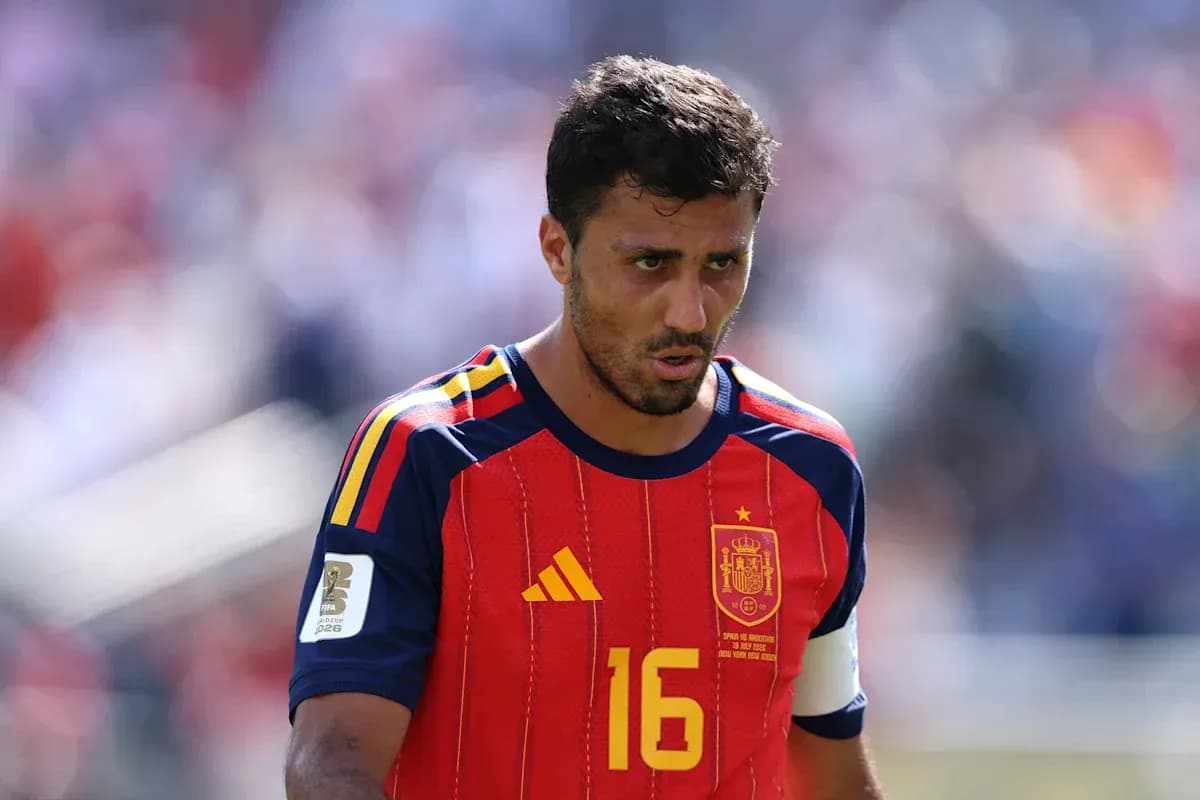
Spain’s argument leans on prestige and track record. The country has just celebrated a second men’s World Cup triumph this summer, beating Argentina in the final in July, and has a long history of staging major football events.
There is also a reminder from recent history: New Jersey was only confirmed as host of this year’s World Cup final in February 2024, two years before the tournament. The message is clear – decisions can be late, but when they come, they tend to favour proven heavyweights.
Stadiums as statements of intent
Both Spain and Morocco are backing their political rhetoric with concrete – literally.
In Morocco, work is under way on a proposed 115,000-seat stadium, which, if completed as planned, would become the largest football arena in the world. That kind of project is not just about capacity; it is a declaration of ambition, a symbol that Morocco sees itself as ready to host the game’s biggest night.
Across the water, Spain counters with history and modernisation. Real Madrid’s Bernabeu Stadium has undergone a major renovation and now holds 83,000, wrapped in cutting-edge infrastructure and technology. Barcelona’s Spotify Camp Nou is being rebuilt and is set to reach a capacity of 105,000 once the work is finished.
On paper, Spain can offer multiple elite venues, in major cities, with deep experience in crowd management and global events. Morocco can answer with a potential super-stadium and the powerful narrative of Africa hosting a World Cup final for the first time.
Allies, rivals, and a decision still to come
For now, the official line from Fifa is that nothing has been decided. Behind that, though, sits a complex triangle: two European nations with heavyweight football clout, and a rising African power investing heavily in infrastructure and soft power.
Akhannouch’s intervention shows how sensitive the issue already is. Lekjaa’s enthusiasm played well with local audiences, but the prime minister’s warning laid down a different priority – keep Spain and Portugal onside, keep the bid united, and avoid turning a shared World Cup into a political tug-of-war before the ball is even on the pitch.
Spain, for its part, speaks with the quiet confidence of a country used to hosting and winning at the highest level.
The stadiums will rise, the renovations will finish, and the lobbying will intensify. At some point, Fifa will choose one city, one night, one stadium to crown the 2030 champions.
Whether that final whistle blows in Casablanca, Madrid, Barcelona or elsewhere, the race to claim it has already kicked off.