Rachin Ravindra's Shoulder Injury Puts India T20 Series in Doubt
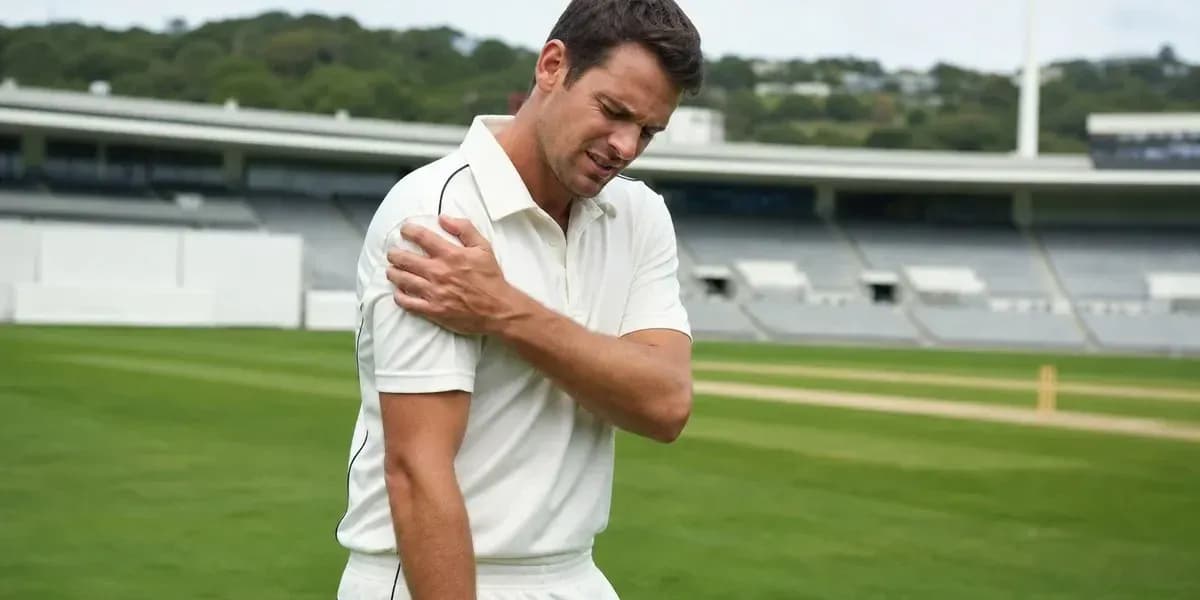
New Zealand all-rounder Rachin Ravindra is in a race against time to be fit for the Twenty20 series against India after dislocating his right shoulder during a commercial shoot in Auckland.
The 26-year-old suffered the injury on Wednesday while filming with broadcaster Sky, attempting a jumping catch for the cameras. What should have been a routine promotional piece has suddenly thrown New Zealand’s build-up to a marquee home series into uncertainty.
Initial medical assessments have at least brought some relief. New Zealand Cricket confirmed that specialists found no significant structural damage to the shoulder. The real test now lies in how quickly Ravindra responds to rehabilitation over the coming weeks, with his return date tied directly to that early progress.
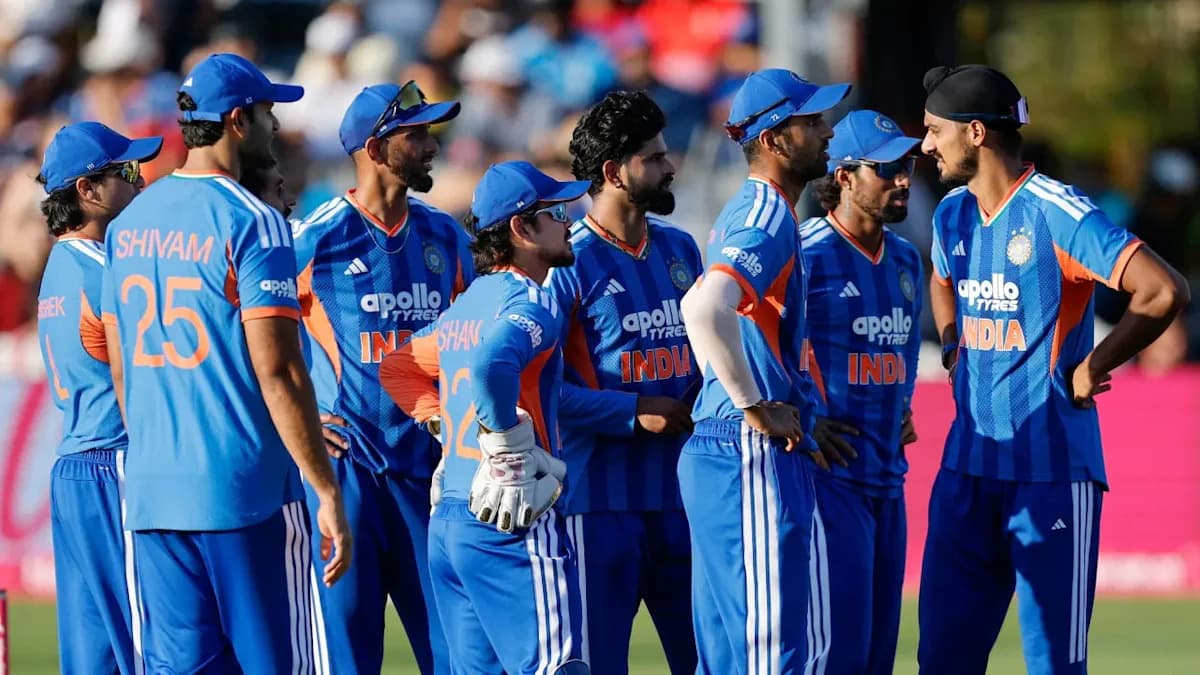
For a player central to New Zealand’s white-ball plans, the timing is brutal. The Black Caps host India in a five-match T20 series starting on October 22, before five One Day Internationals and two Tests follow next month. Ravindra’s availability, particularly for the shortest format, now hangs in the balance.
New Zealand national team performance manager Mike Sandle called the incident an “unfortunate accident” and stressed that the activities during the shoot had been cleared in advance. All parties, he said, had agreed the plan and safety measures before filming began. Even so, he acknowledged that the processes around such commercial work will be reviewed, a clear sign of how seriously the board views the risk to one of its key players.
Ravindra’s importance is not in doubt. He has already played 115 matches for New Zealand across formats, a versatile presence capable of opening the batting or shoring up the middle order. With the ball, his left-arm finger spin offers balance and control, particularly in limited-overs cricket.
His recent global-tournament record underlines his rise. At the 2023 50-over World Cup, Ravindra finished as New Zealand’s leading run-scorer, announcing himself on the world stage with a series of mature, high-impact innings. This year, at the Twenty20 World Cup, he flipped the script with the ball, taking more wickets than any of his teammates.
Now, instead of fine-tuning his game for India’s visit, he faces days of rehab and careful monitoring.
For New Zealand, the question is stark: can they afford to start a heavyweight home summer without the all-rounder who has become their modern barometer in white-ball cricket?