Rain and Tension: US Open's Court 7 Drama
Rain, nerves and a tournament under fire. Court 7 had all of it.
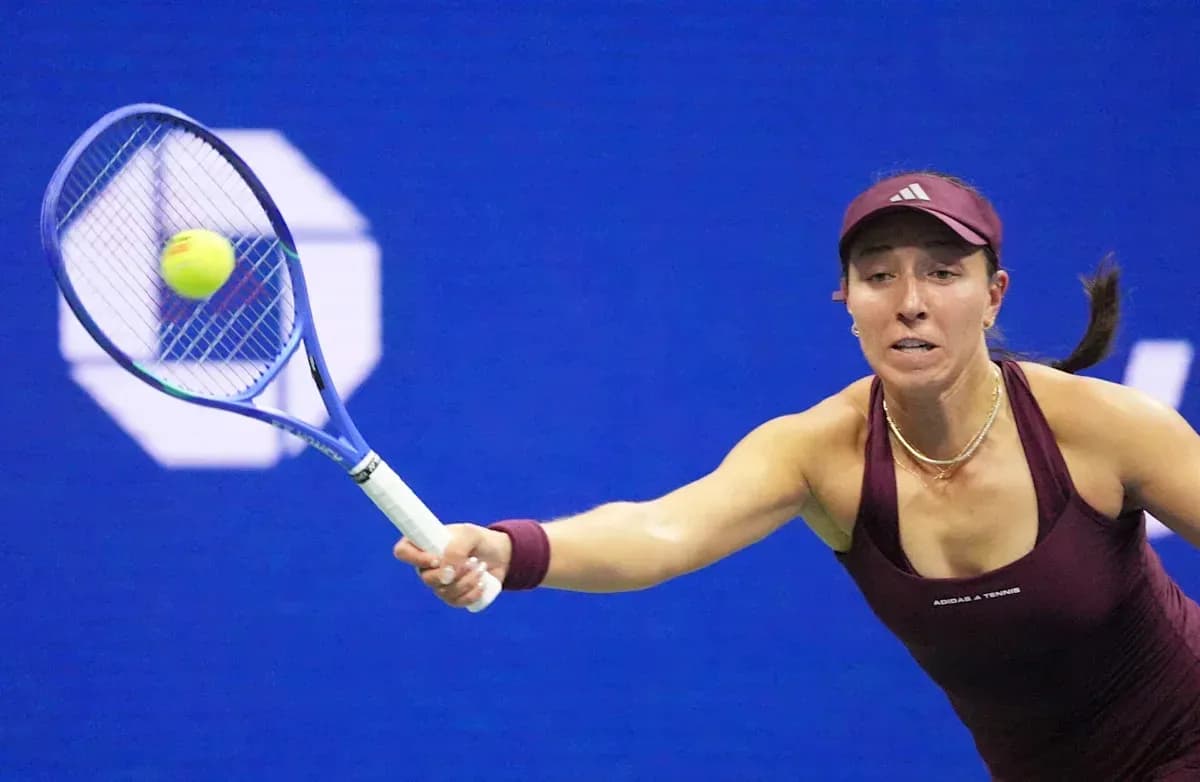
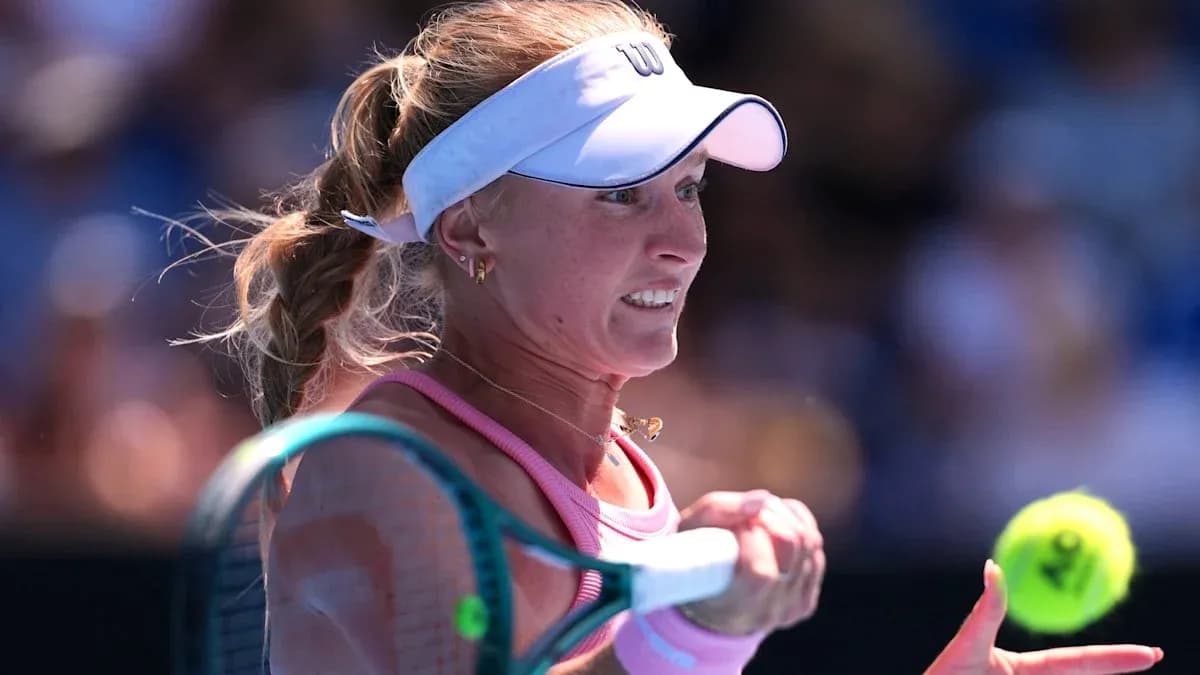
Kim Birrell and Petra Marcinko were locked at 3-3 in a second-set tiebreak when the first drops began to fall. Seconds later, both players were in their chairs, umbrellas up, tension hanging heavier than the weather.
“Some rain drops coming down here, just to add to the drama,” Brenton Speed said on Nine, as cameras lingered on Birrell’s face. She knows the equation. She has to win this breaker to force a third set. Lose a couple of points, and it’s over.
Jelena Dokic, watching on, could hardly believe the timing. “What a time to stop play here,” she said. Then the reality check. “It’s tough for both players. If you play a couple of loose points here, the tiebreak is basically done.”
The match had already been brought forward to dodge the forecast. The forecast won.
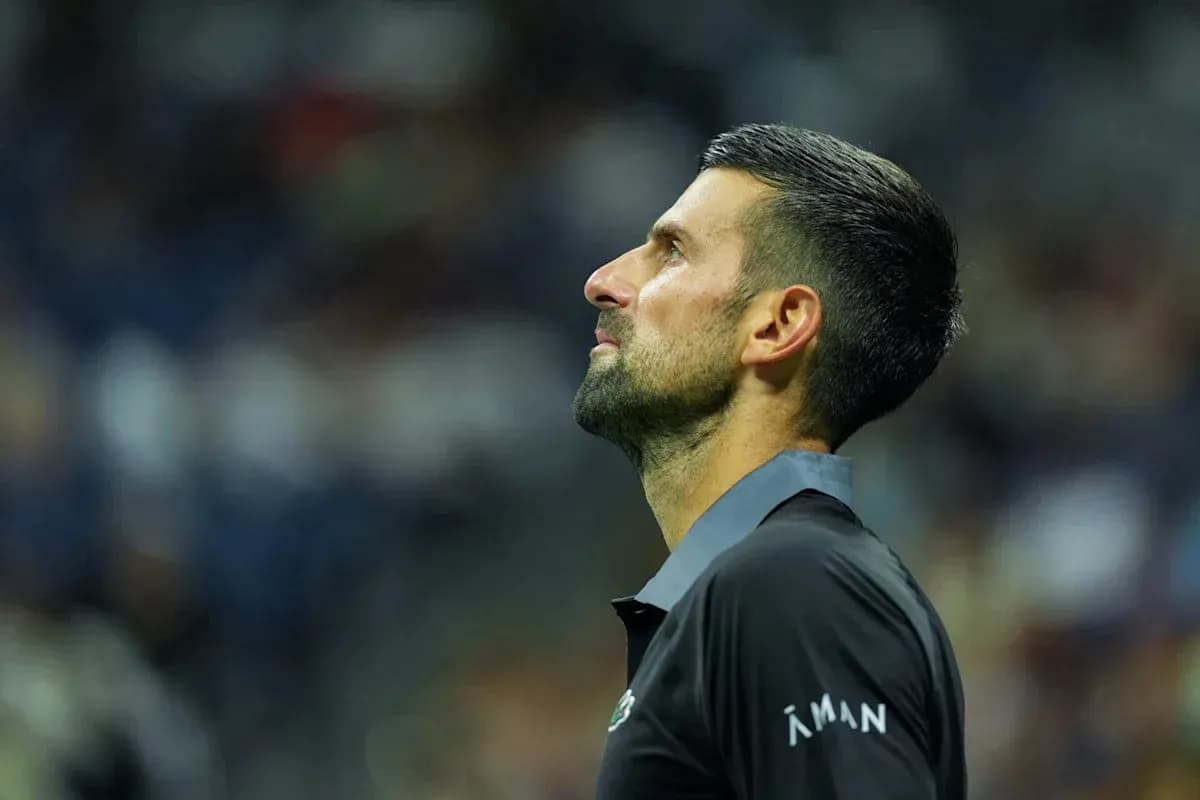
On Arthur Ashe Stadium, even Novak Djokovic couldn’t escape the interruption. His match was halted as well, but the roof slid shut, the court dried, and play resumed. Court 7 had no such luxury. Just two players, their thoughts, and the sound of rain on plastic.
Away from the baseline battles, another storm is building.
Craig Tiley, the former long-serving Australian Open boss, is feeling the heat in his first US Open in charge. Only months after crossing from Melbourne to New York, he has wasted no time putting his stamp on the event, stretching the first round over three days instead of two.
It’s a familiar move. The Australian Open made the same change years ago, shifting to a Sunday start. Tiley argued then that the tweak would ease scheduling chaos and help avoid early-round marathons that finished well after midnight.
New York, though, is not in a forgiving mood.
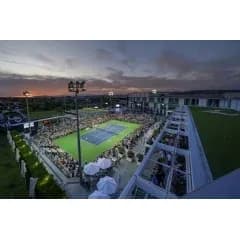
With thousands of fans on site and less live tennis on offer at any one time because the draw is spread out, frustration has spilled over. Social media lit up as spectators compared the packed grounds with the relatively thin match schedule.
One critic, James Denman, did not hold back, tweeting that “the USTA seems to have genuinely f---ed the US Open. I know it’s always busy but this just reads... awful”.
Tiley, for his part, has been selling a grand vision. At his Sunday press conference, he spoke of turning the US Open into “tennis Disneyland” — a sprawling, immersive experience built around more than just what happens between the lines. He has backed that ambition with increased prize money, a move players will welcome even as fans question the new format.
For now, though, the picture is simple: damp courts, restless crowds, and a bold new regime already under scrutiny.
On Court 7, two players wait under umbrellas, a tiebreak frozen at 3-3. On the tournament’s broader stage, Tiley’s reshaped US Open sits in much the same place — right in the balance, with everyone watching to see which way it breaks.