Rayan Cherki's Impactful Performance Reshapes Manchester City's Season
Rayan Cherki walked onto the pitch on Sunday with a scowl and a mission. He left it having turned Manchester City’s afternoon – and perhaps his own season – on its head.
Bournemouth had City on the ropes. Enzo Maresca’s first Premier League game in charge was drifting towards an awkward opening defeat, the kind of early bruise a new manager doesn’t easily shake off. Then Cherki, left on the bench and visibly unimpressed about it, was finally unleashed.
He didn’t just change the game. He grabbed it by the throat.
From his corner came Marc Guehi’s equaliser, a whipped delivery begging to be attacked and ruthlessly finished. When City poured forward again in added time, it was Cherki who supplied the moment of clarity in a frantic box, threading the pass that Josko Gvardiol buried for the winner. Two decisive contributions, one furious cameo, three points rescued.
Maresca will have felt the relief as much as the roar around him. His first league win as City manager owed everything to the 23-year-old he had initially left out.
A different kind of problem
Cherki’s performance created exactly the sort of problem every coach claims to want: how do you leave him out now?
“He made an impact the other day,” Maresca told BBC Sport before City’s trip to Crystal Palace on Friday. The Italian didn’t bother to play down the obvious. “In terms of quality, he is a different player to the rest because he can give us moments when we struggle in the last third. He has the quality that we need, but it depends also on the game plan and the opponent that we play.”
That’s the tactical argument. The emotional one is harder to manage.
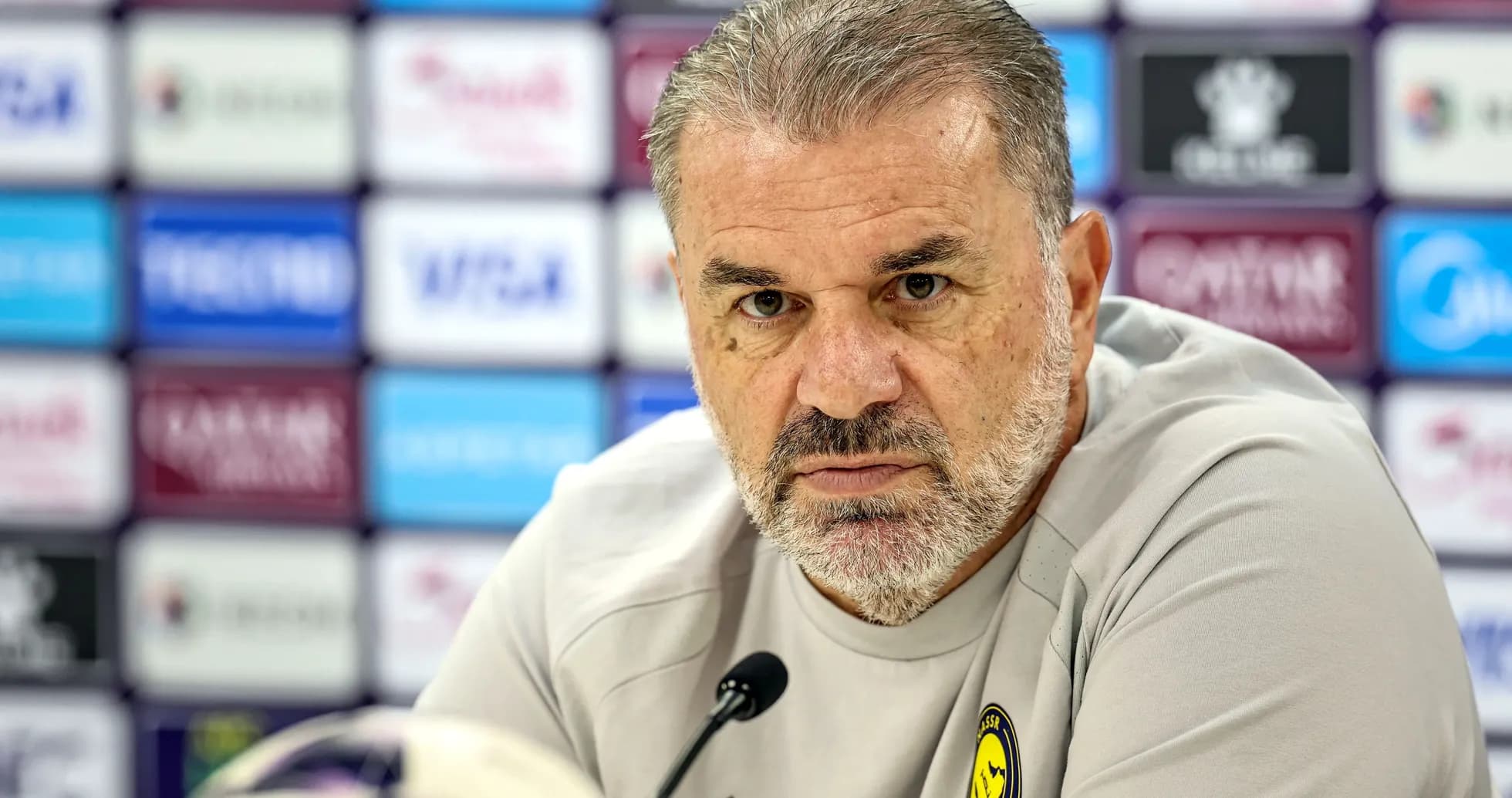
Cherki was not shy about his frustration on Sunday. This is not a player who masks how he feels. Maresca knows it.
“Rayan is quite a nice and clear boy, if he is not happy he wants to show it,” he said after the game. “If he's next to me and he's not happy, you all realise that he is not happy because he is doing anything just to show that he is not happy.”
It is both the risk and the edge that City bought when they paid £30m to take him from Lyon in June 2025. Inside the club’s recent documentary, chief executive Ferran Soriano admitted the doubts that followed him.
“The information on Cherki was not so positive, I will be very honest,” Soriano said. “Everybody knew about his abilities, but there was this idea that he was chaotic.”
Chaotic can be a curse in a dressing room. On a football pitch, in the final 20 minutes of a game slipping away, it can be priceless.
Numbers that demand a response
Strip away the noise and the numbers are blunt. Cherki’s two goal contributions at the weekend lifted him to 12 assists from open play since the start of last season – more than any other Premier League player in that time.
Nobody in the division has created more in that specific way. Yet he still lives in the space between impact and inclusion.
Under Pep Guardiola last season, Cherki played in 33 league games, but 14 of those came from the bench. Too important to ignore, not quite trusted enough to build around. The pattern is threatening to repeat.
Even on the international stage, the same story. At the World Cup in the summer, surrounded by France’s galaxy of forwards, he was reduced to a bit-part role. His only start came in the third-fourth place play-off against England, a grim outing in which France trailed 4-0 at half-time and he was withdrawn at the break. His entire tournament amounted to 124 minutes and ended with cameras catching what looked like visible displeasure towards Didier Deschamps.
Cherki does not do quiet discontent. When he feels sidelined, the world tends to know.
Fire, flair and a touchline lecture
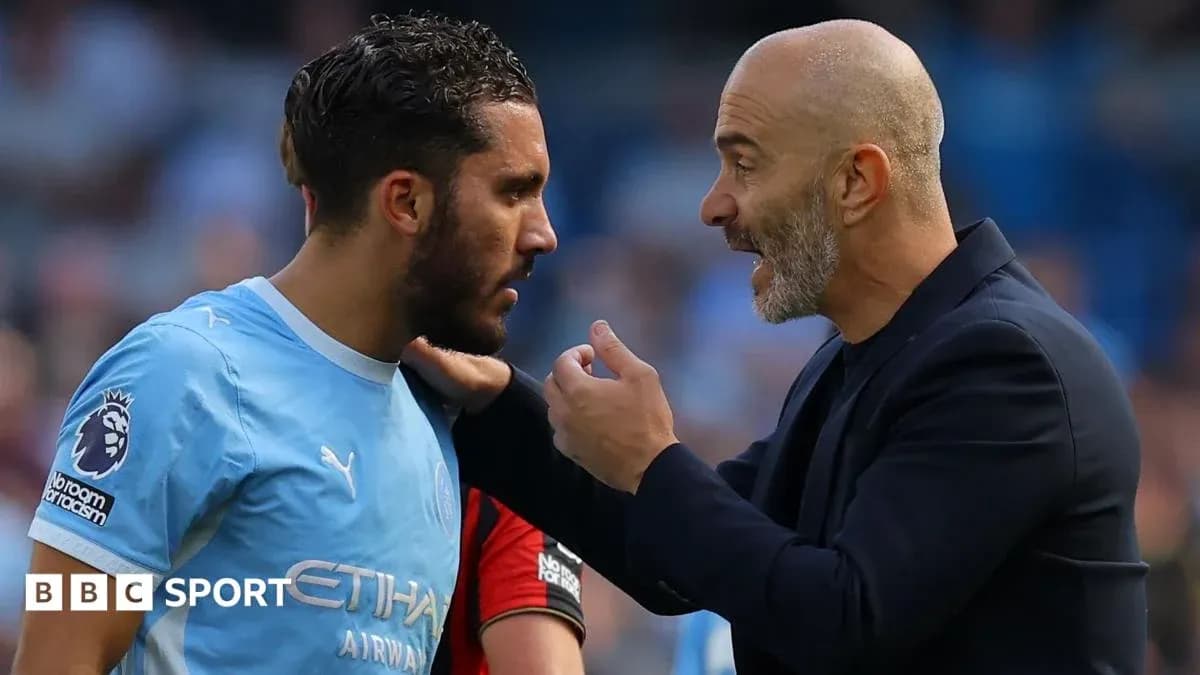
That is why the sight of Maresca striding straight towards him at full-time on Sunday was so striking. The Italian wrapped an arm around his shoulders and appeared to talk at length, the conversation looking more like a pointed lecture than a simple congratulations.
What was said remains private. When asked whether Cherki would be starting soon, Maresca’s answer was brief and emphatic: “Absolutely, yeah.”
The manager sees what everyone else sees – a flamboyant, fiercely gifted playmaker who can tear open a defence when the game turns tight. He also sees the volatility that comes with it.
City’s own cameras have already captured the internal debate. Soriano’s admission of those pre-signing concerns about attitude was unusually candid for a club so controlled in its messaging. They knew what they were getting. They decided the upside was worth the gamble.
Cherki, for his part, has tried to show the polished version of himself in public. On Tuesday night in Manchester he was all smiles at the PFA awards, posing for photos, signing autographs, named in the Team of the Year and shortlisted for Young Player of the Year. The room saw the star. Maresca sees the full picture.
The next step
City go to Crystal Palace on Friday with a decision looming. Cherki’s cameo against Bournemouth made his case in the most compelling way a footballer can: on the pitch, when it matters, with the game on the line.
Maresca insists he is “very happy with the way he is working” and talks confidently about the present and the future. “There is no doubt he's going to help now and in the future,” he said. The question is how often he helps from the first whistle rather than from the bench.
For all the talk of systems and game plans, Cherki’s biggest task this season might be internal. Can he keep his emotions in check when the teamsheet doesn’t flatter him? Can he channel the fire that fuels his talent without letting it scorch the dressing room?
He has already proved he can change matches. Now he has to show he can live with the wait when those matches don’t start with his name in the XI.