Real Madrid's Midfield Dilemma: The Need for Rodri
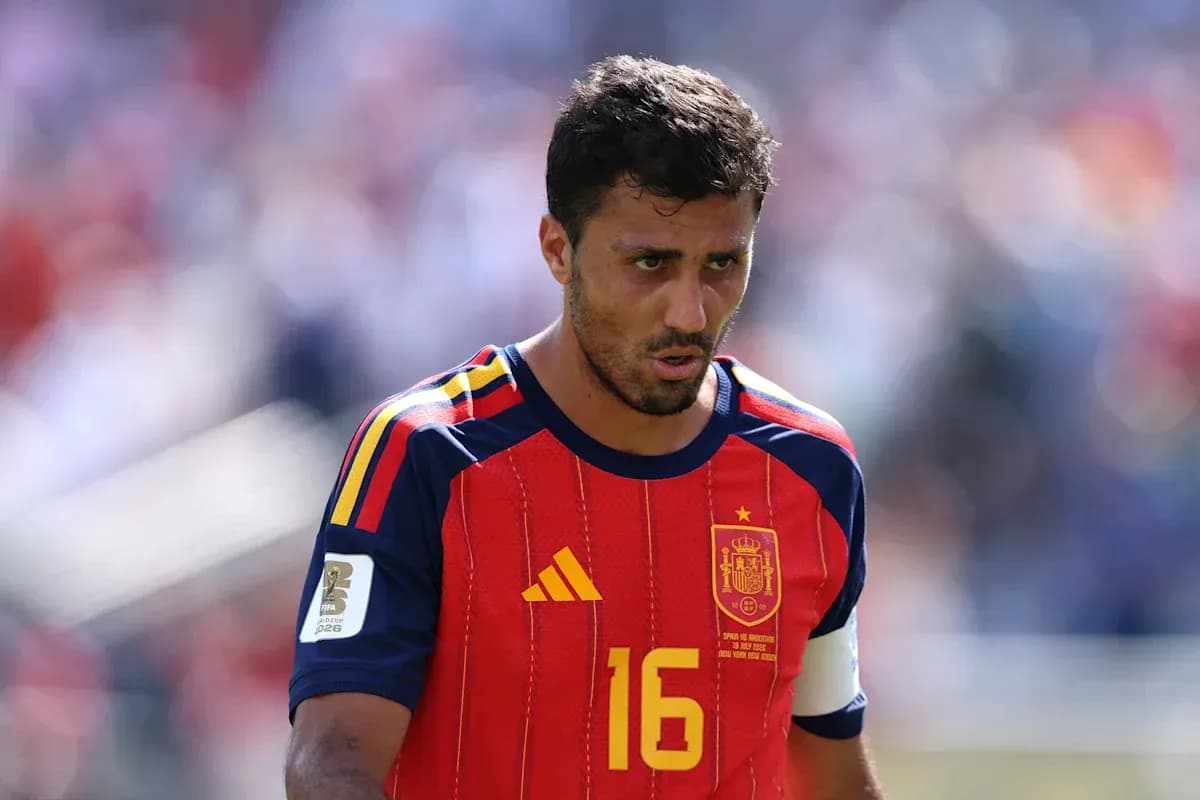
Real Madrid are discovering what it means to live without a true conductor in midfield – and the bill has Rodri’s name written all over it.
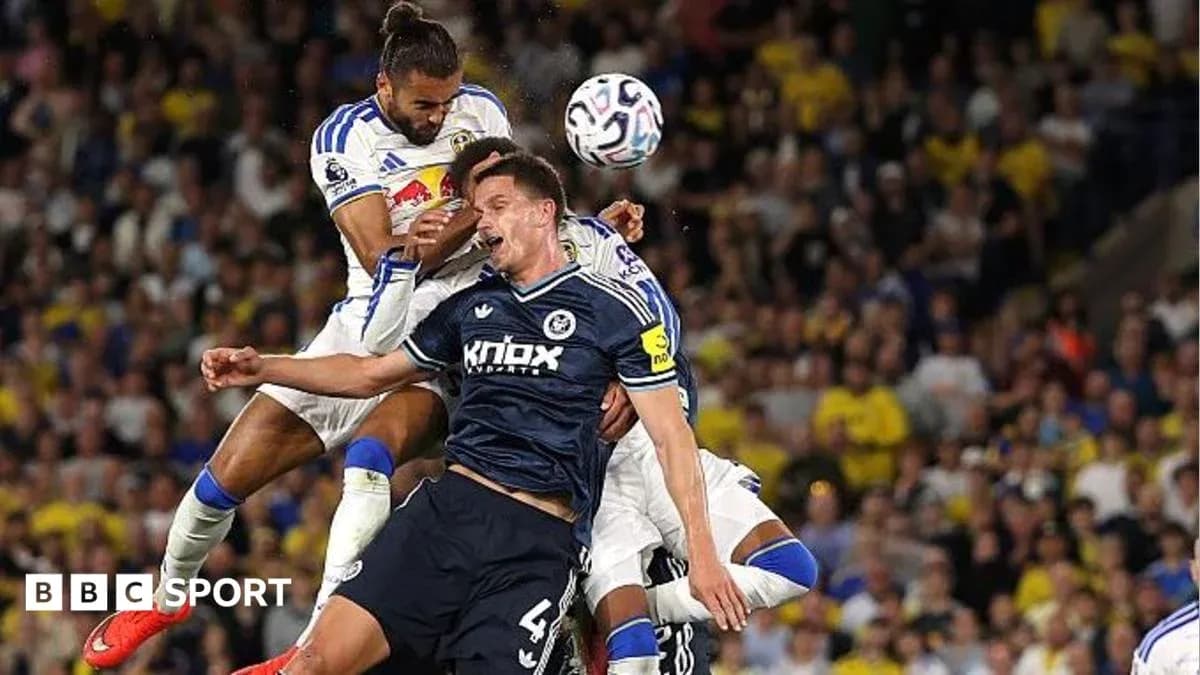
Their defeat to Inter Milan did more than cost them points. It stripped away the illusion that José Mourinho’s side can dominate Europe without a controller of the Barcelona man’s calibre. Madrid’s midfield, packed with athletes and power, simply could not dictate the rhythm of the game. Inter seized the ball, seized territory and, too often, seized the initiative.
Mourinho’s Madrid lean heavily on what they do best: the break. Win it, run with it, and unleash Vinícius, Mbappé and Bellingham in full flight. When it works, it looks devastating. When it doesn’t, the gaps appear. Opponents recover the ball, launch their own attacks and turn Madrid’s looseness into danger.
Against Inter, Thibaut Courtois kept the scoreline respectable. His saves masked structural flaws that trace back to a decision in the transfer market: Madrid did not push hard enough to sign Rodri when they had the chance.
Instead, the club set their sights on a different profile. They preferred Bernardo Silva, a more attack-minded option and one Barcelona had already turned down. The plan was to keep building around Tchouaméni, Valverde and Camavinga. All three are elite in their own ways – powerful, dynamic, versatile. None, though, offers Rodri’s calm authority on the ball or his ability to control an entire match from the centre circle.
So Madrid still lack a true organiser. Constructing attacks remains the unfinished chapter of Mourinho’s project. The coaching staff can experiment: Arda Güler drifting inside to help build play, Trent Alexander-Arnold stepping into midfield as an auxiliary playmaker. Interesting ideas, useful in moments, but ultimately stopgaps. None of those solutions brings what Rodri would have brought – the guarantee of order.
That is why the club have already turned their eyes to January.
Zubimendi: the opportunity Madrid cannot ignore
Inside Valdebebas, one name has moved back to the top of the list: Martín Zubimendi.
Madrid chased the Arsenal midfielder in the summer. Now, his situation in London has opened a new window. In England, predictions about his future are gathering pace, and the numbers behind them are simple enough. Zubimendi has started all five of Arsenal’s official games this season on the bench.
The clearest message arrived on the biggest stage. In the Champions League clash with Napoli at the Diego Armando Maradona Stadium, the Spaniard spent almost the entire night watching from the touchline, only entering for the final eight minutes. The pattern is not new. At the end of last season, he sat out the full 90 minutes of the Champions League final against Paris Saint-Germain and only appeared in extra time.
When called upon, he has delivered. That has never really been in doubt. Yet Mikel Arteta continues to trust other players ahead of him in his position. For a former Real Sociedad leader, used to carrying responsibility, that kind of marginal role can start to wear on morale.
Madrid, meanwhile, have followed him closely. His performances for Spain have only strengthened their conviction. When Rodri suffered a serious injury, Zubimendi stepped into the national team’s midfield and ran it with assurance. He handled the pressure in the most demanding moments: the second half of the Euro 2024 final, extra time in the 2026 World Cup final. On nights like those, he showed he can live at the very top of the game.
Arsenal paid 70 million euros to sign him last season and tied him down until 2030. Any negotiation will start in that financial bracket. From the London club’s perspective, such a fee would allow them to recover their investment. From Madrid’s, it is not a figure that would scare them off, especially for a player they see as a long-term solution in a crucial role.
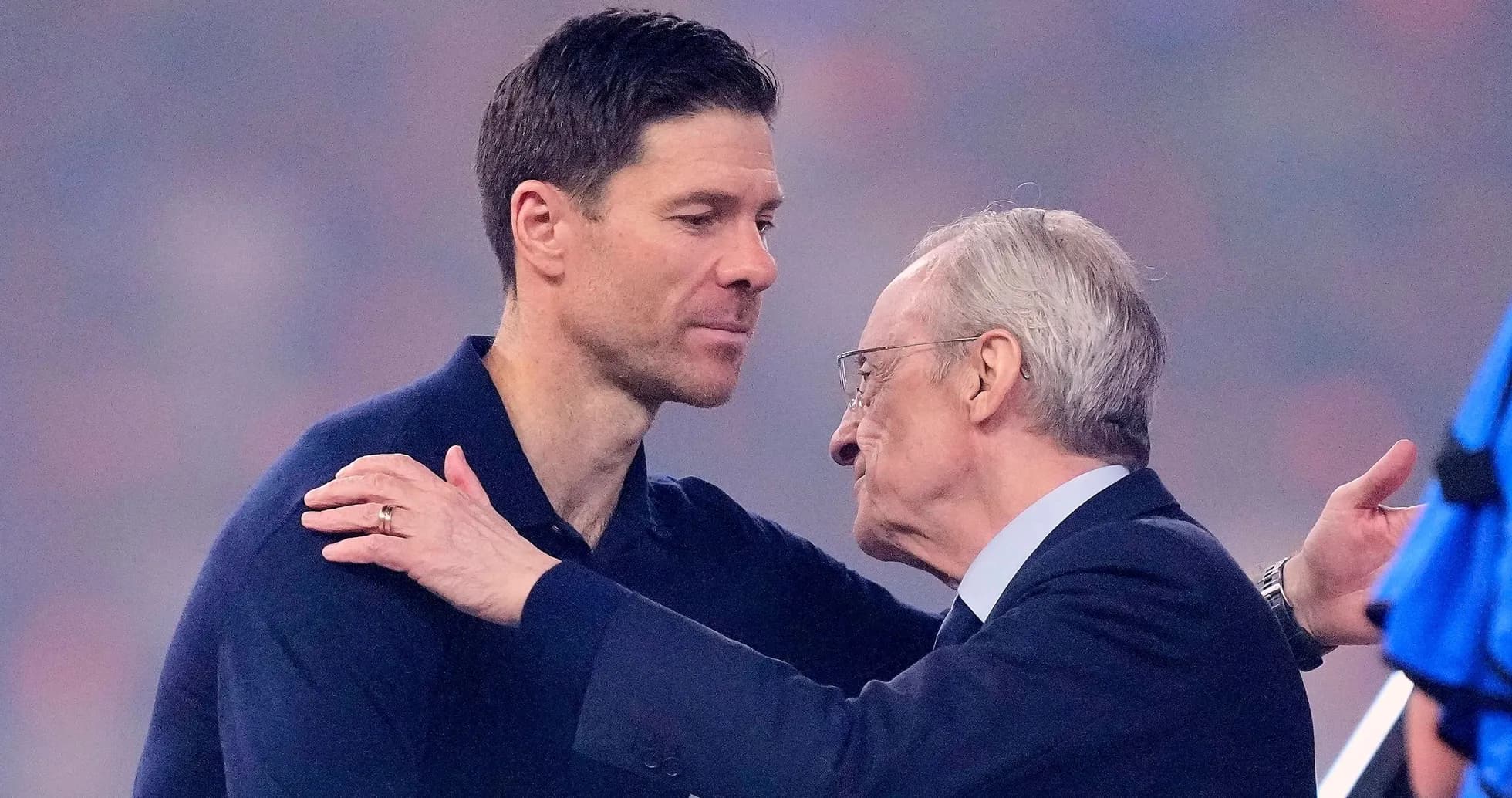
The market, though, will not belong to them alone. Zubimendi will have options. Chelsea are watching closely under Xabi Alonso, who already identified him as a priority target when he was a candidate for the Real Madrid job. Back then, Florentino Pérez chose not to move for him.
Now, with Madrid’s midfield exposed and the memory of Rodri slipping away to Barcelona still stinging, that hesitation feels far more expensive.
January will reveal whether they are ready to pay the real price of control.