Canelo Alvarez’s Return: Five Insights and a Growing Challenge in Super Middleweight Boxing
Canelo Alvarez Dominates Mbilli, Shows No Signs of Slowing at 36
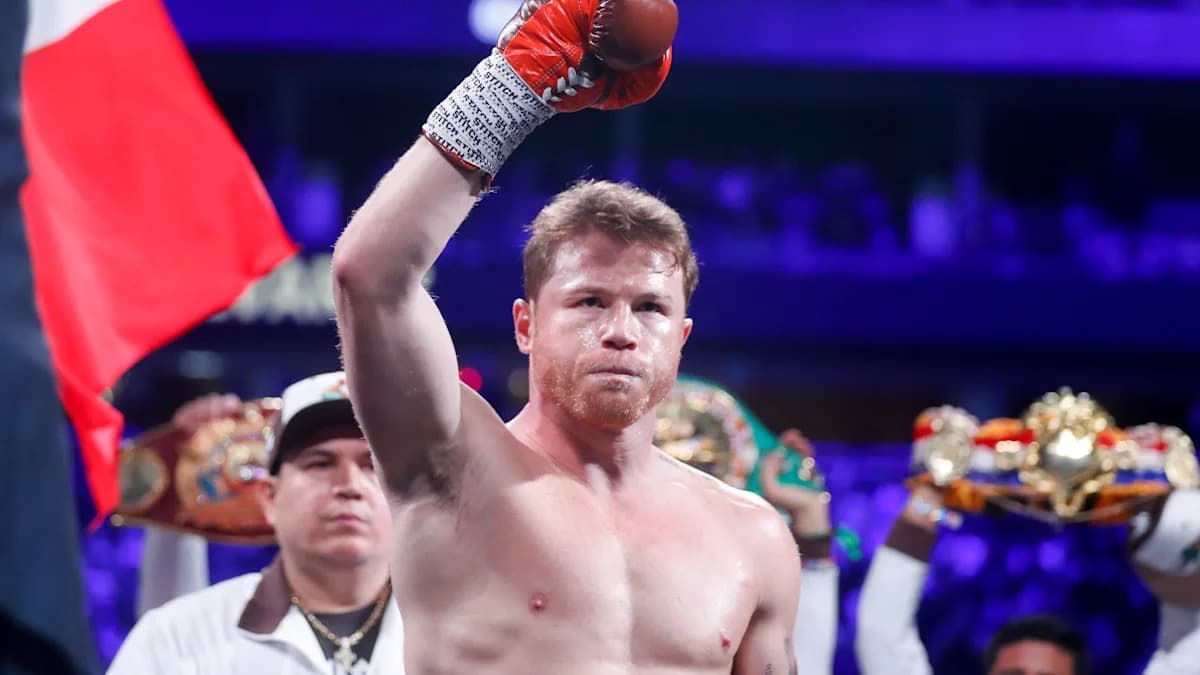
At 36 years old, Canelo Alvarez returned to the ring on Saturday, proving he remains a formidable force in boxing. Facing Christian Mbilli at the Kingdom Arena in Riyadh, Alvarez defended his WBC super middleweight title with clear control, winning comfortably over Mbilli.
1. Canelo Successfully Neutralizes Mbilli’s Pressure Style
Known for his relentless pressure, Mbilli came in as a tough challenger. Yet against Alvarez, his usual strategy faltered. Data from Compubox revealed Mbilli landed only an average of 10.6 punches per round versus Alvarez, a steep drop from 21.5 and 27.3 punches against Sergey Derevyanchenko and Lester Martinez respectively. His accuracy also fell from over 30% in previous fights to just 17.5% here.
Mbilli threw more jabs but fewer power punches against Alvarez, indicating difficulty in breaking through the defense. Even though he increased his punch volume late in the fight, he barely improved his landing rate. Canelo controlled the pace, using his jab and smart counterpunching to keep Mbilli hesitant and off-balance, showing sharp ring intelligence despite his age.
2. Jaime Munguia Shows Different Style Under Eddy Reynoso
While Eddy Reynoso is closely linked with Canelo’s defensive mastery, another fighter under his guidance, Jaime Munguia, presents a contrasting approach. Munguia's fight against Nikita Zon was rough and aggressive. Despite surviving a scare in the sixth round, Munguia won by unanimous decision, but his vulnerabilities stood out. He tends to brawl recklessly, gets caught in exchanges, and shows lapses in defense.
Munguia relies on toughness rather than discipline, making him susceptible to fighters like WBA mandatory challenger Bektemir Melikuziev. Whether Melikuziev can exploit these weaknesses next year remains uncertain.
3. The Super Middleweight Division Lacks Clear, Major Challengers
Munguia, holding the WBA belt and training alongside Canelo, seems an unlikely opponent given their history and recent results. With Reynoso preferring Alvarez to remain at 168 pounds, the division appears thin on top-tier challengers.
- Hamzah Sheeraz: Tall and powerful, showed promise with a big win in 2025 but less convincing performance afterward.
- Lester Martinez: Interim WBC champion with solid wins but limited international recognition and a split draw against Mbilli, whom Canelo dominated.
- Osleys Iglesias: IBF champion and a dangerous southpaw with knockout power, openly seeking unification with Canelo but lacking mainstream fame.
None of these fighters create an immediate blockbuster matchup, leaving Alvarez’s path somewhat unclear.
4. Dana White’s Critique of Boxing Production Rings True
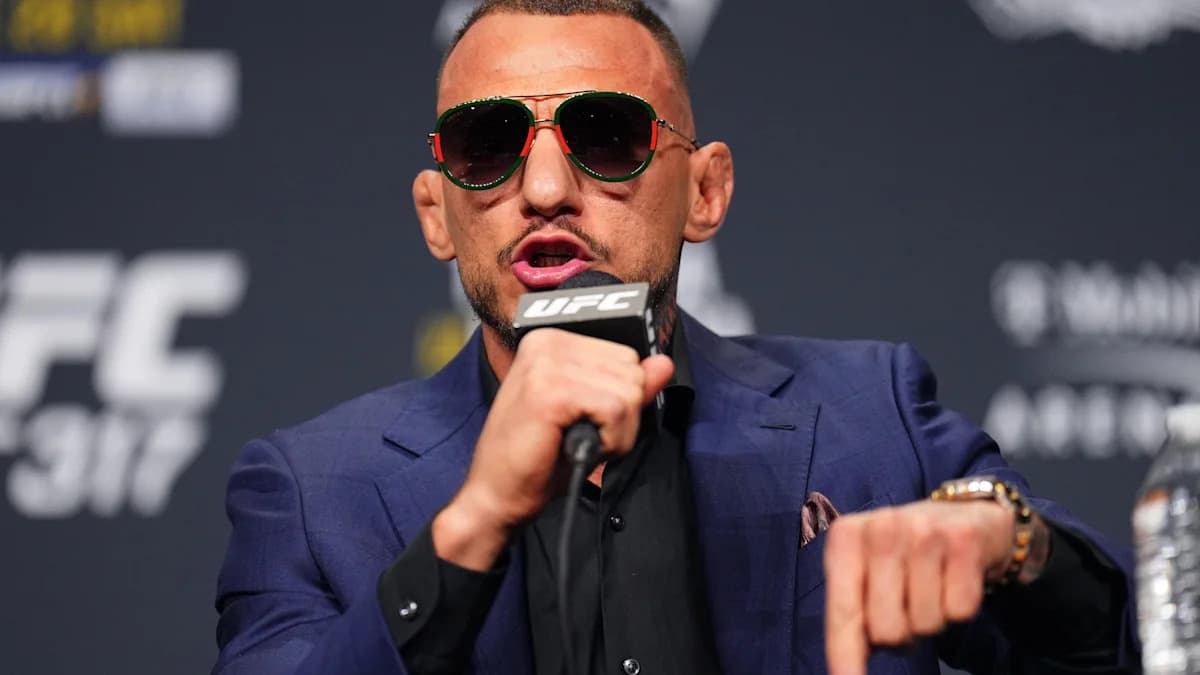
Dana White, UFC CEO, has long criticized boxing’s event pacing and broadcast style. Saturday’s Canelo-Mbilli pay-per-view reinforced his point, with excessive studio segments stretching the program unnecessarily. Instead of smooth transitions between fights, viewers endured lengthy analysis, interviews, and promotional content, diluting the excitement of live bouts.
This wasn’t a reflection on broadcasters Kate Abdo or Chris Mannix, who are skilled professionals, but rather on event organizers who rigidly structure the show. Other combat sports like Bare Knuckle Fighting Championship deliver tighter scheduling, respecting fans’ time better.
5. Riyadh Fight Week Took Place Amid Real Security Threats
During the week of the event, residents in Riyadh received warnings about hostile aerial threats due to ongoing Houthi missile attacks. Official advice urged people to avoid crowds and stay indoors. Previous attacks had resulted in fatalities and hundreds of injuries, raising questions about the wisdom of hosting a major sporting event under such conditions.
The tension highlighted the contradiction between serious security risks and the spectacle of a high-profile boxing event. Despite no incidents during the fights, the situation underscored the unpredictable nature of staging events in volatile environments.
Initial hopes that Riyadh could emerge as a major boxing hub face challenges, not only from security concerns but also from event management issues and pacing problems, suggesting traditional venues like Las Vegas remain dominant for now.