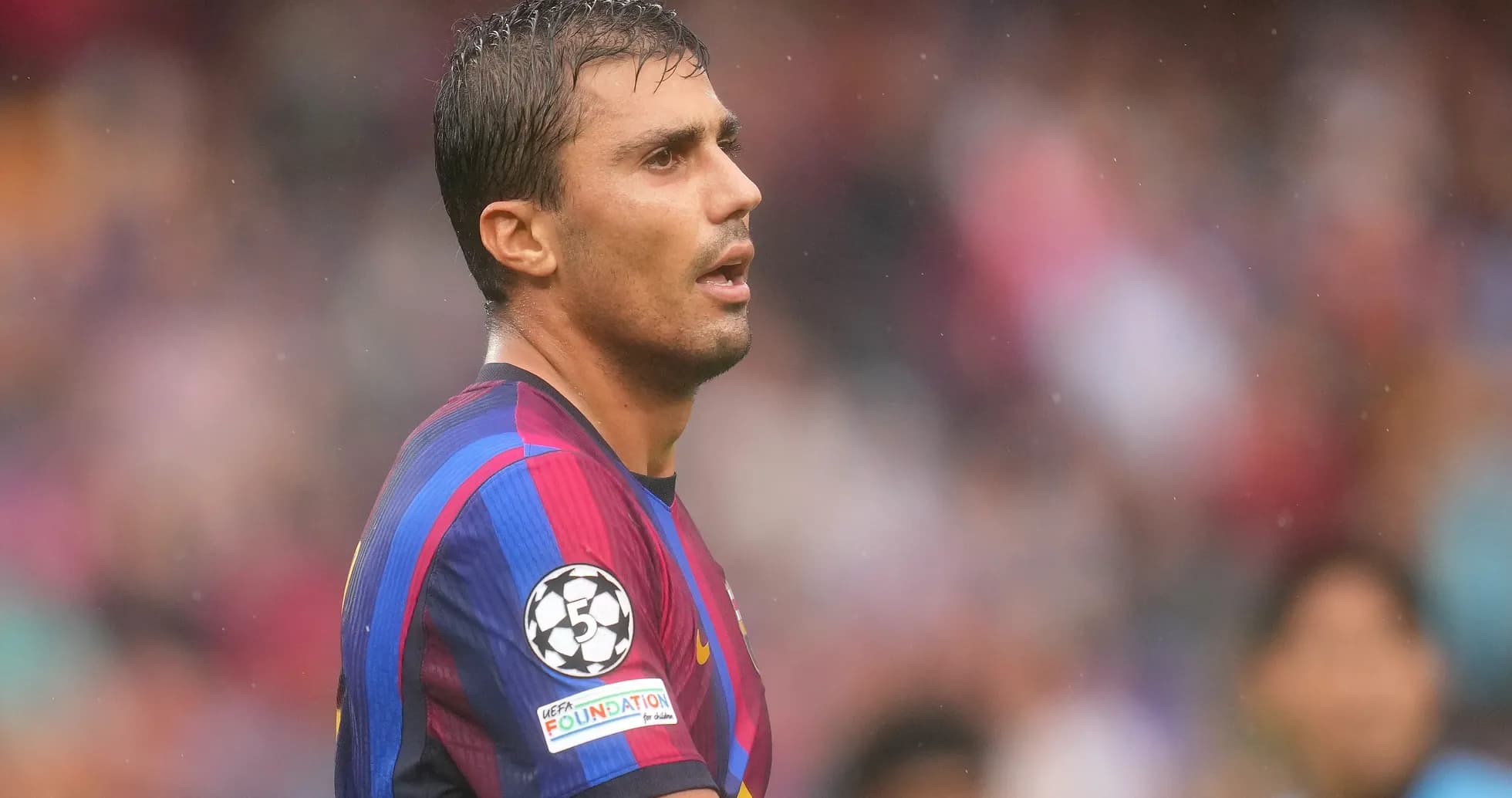
Rodri's Realism and Barcelona's Champions League Ambitions
Barcelona have reclaimed their domestic throne, but Europe still keeps them at arm’s length. Two straight La Liga titles have restored a sense of authority at home; the Champions League, though, remains a 12–year wound that refuses to close.
That is the backdrop to Rodri’s arrival.
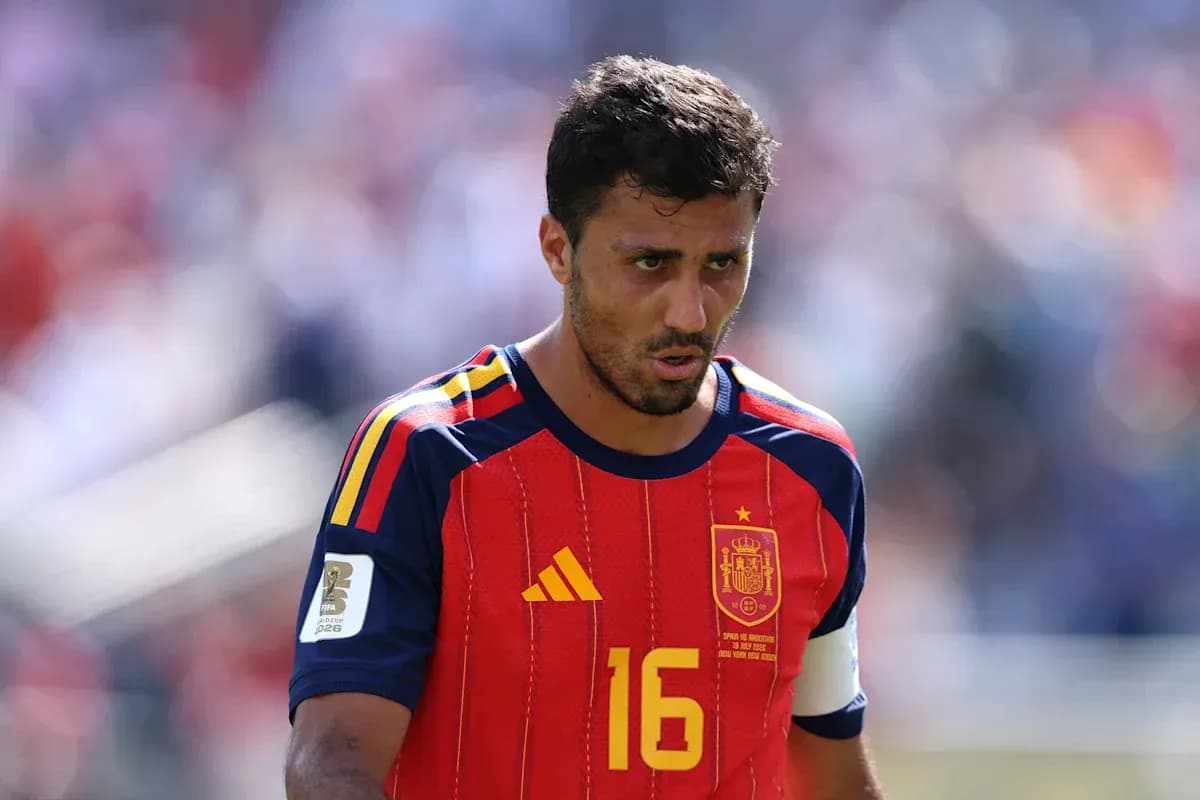
Signed from Manchester City in the summer, the 30‑year‑old Spain captain was brought in not just to tidy up midfield, but to drag Barcelona back into the conversation with Europe’s ruthless elite. On the pitch, he has slipped into the Blaugrana engine room with unnerving ease, already the reference point around whom others revolve.
Off it, his words cut through the noise.
Rodri’s realism amid Barcelona’s ambition
Speaking to Mundo Deportivo, Rodri did not play to the gallery. He acknowledged the scale of Barcelona’s ambition, but refused to dress it up with easy promises.
“The Champions League is achievable, but I don’t think we’re favourites,” he said, offering a dose of realism that jars with the club’s grandiose history but fits its current reality. “Obviously, I see it as a realistic title for us. It’s that final step we need to take to establish ourselves and show Europe what kind of team we are.”
This is not a player dampening expectations out of caution. It is someone who knows exactly what it takes. At City, Rodri lived the grind of repeated near‑misses before finally lifting the trophy. That experience shapes every line.
“I don’t think we’re favourites. You have to understand where we’re coming from and what it takes to become champions,” he continued. “This team still needs to polish several things to win it. Players like me have come here partly for that, to help the team grow and provide something that I think is important when it comes to winning titles as unique as the Champions League.”
Barcelona’s recent European history backs him up. Chaos has been a recurring theme: collapses against Inter and Atletico Madrid, nights when defensive lapses and red‑mist moments turned ties on their head. The football has often been attractive. The details have been fatal.
A tournament of moments, not just talent
Rodri knows the Champions League does not always reward the most beautiful or even the most complete side. It rewards those who manage the small things when the temperature rises.
“I don’t think the Champions League is a tournament where the best team necessarily wins. It’s a tournament of moments, and understanding those moments,” he pointed out. “I think that’s perhaps the area where this team still has room to improve. But if you ask me whether we have a chance, that’s why I came here.”
This is the shift he is demanding: less romance, more control. Less obsession with overwhelming opponents, more focus on surviving the bad spells that every contender faces in April and May.
“It’s about controlling those moments that make the difference in a tie, especially when the important knockout rounds arrive,” he said. “Red cards, penalties, perhaps not conceding more than you should. All of those things determine whether you go through or go out.”
The message is blunt. Barcelona can dazzle for 70 minutes and still be undone in five if they lose their heads. The teams that have lifted the trophy in recent years have not always been the most expressive, but they have been the most ruthless in those decisive fragments of a tie.
“Perhaps it’s better not to be quite as good offensively but to be more consistent and more solid,” Rodri added. “The teams that have been able to win it have shown you that. That’s where we have room to improve, and I’m sure we will.”
Learning the hard way
For Barcelona, the scars of the past decade are well known: heavy defeats, late collapses, inexplicable exits. For Rodri, those scars are a prerequisite to eventual success, not a permanent sentence.
“That also comes with experience. I’ve always said that before you win, you have to lose and you have to learn,” the World Cup winner insisted. “Those of us who have been able to win important things know that. I’ve played in I don’t know how many Champions League campaigns before we were finally able to win it.”
He is not promising shortcuts. He is promising a process.
“I understand that there’s a learning process in that experience, and I understand that players learn year after year,” he concluded.
Barcelona have their domestic dominance back. They now have a midfield general who has walked the long road to European glory and is unafraid to tell a hard truth: talent and history will not be enough. The question is no longer whether they dream of the Champions League.
It is whether this group can finally master those brutal, unforgiving moments that decide it.