Rúben Amorim Addresses Milan's Criticism and Future Goals
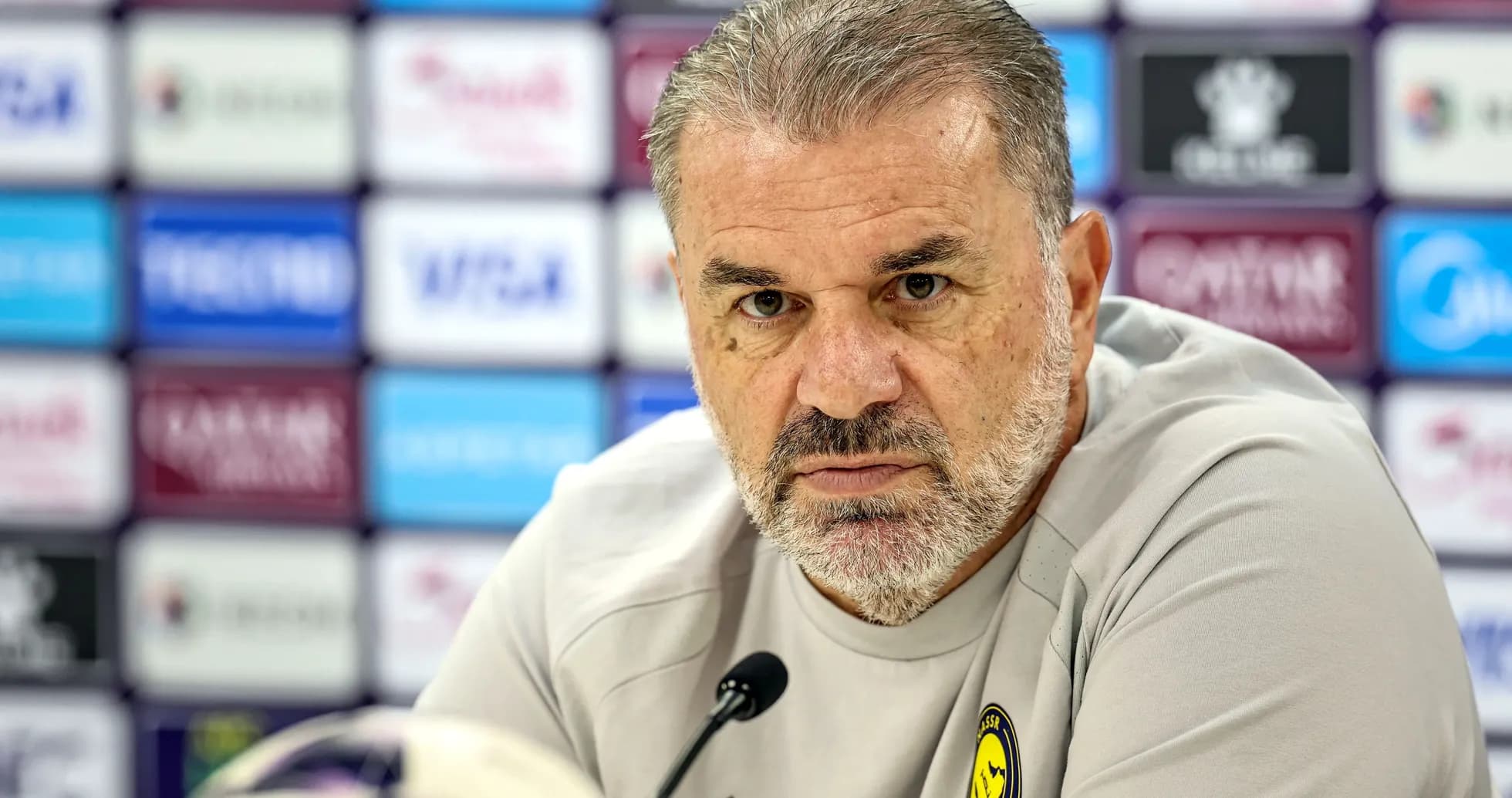
Rúben Amorim walked into the press room at Milanello knowing exactly what was coming. A week of debate about style, identity and courage after a cagey draw with Juventus had framed the build‑up to Milan’s trip to Lazio. He didn’t duck any of it.
He pushed back.
“Criticism? I’ve seen worse”
Milan are unbeaten: two wins, one draw. On paper, a solid start. On the pitch, the Juventus game reopened an old Milan wound – the accusation that the Rossoneri retreat when the stage is biggest.
Amorim rejected the idea that his side had simply parked the bus.
“The last game wasn’t just static; I think we lacked energy,” he admitted. Milan, he argued, actually managed the ball well for long spells in Turin. The problem lay where it always hurts most in Italy: the boxes.
They kept possession, especially before the break, but didn’t bite. “We lacked aggression in the final third and inside the box,” he said, pointing to a series of careless turnovers that let Juventus breathe and counter.
He has spent the week replaying those moments with his players. “A lot of opportunities for Juve came from us losing the ball, sometimes even without pressure. Just a sloppy pass. Those details can change the game and the momentum. We worked on that, and we need to do better.”
The criticism hasn’t surprised him. Nor has it rattled him.
“Criticism is normal. I already experienced that in my former club [Manchester United]. More than that, it’s impossible,” he shrugged. If Old Trafford didn’t break him, a few groans at San Siro won’t.
What he does promise is non‑negotiable. “The team is always in first place,” he repeated. Milan hired him, he said, to be positive and to score goals. That remains the plan, even when the reality of Serie A’s tactical arms race pushes his side back.
“Sometimes we want to score goals and be positive, but then there’s the opponent, and maybe Spalletti – your Spalletti – is really good and they pushed us back. We had the ball more than Juventus. Sometimes even when I have the ball, the other guy is better than me, but that doesn’t change the intention you have.”
Ramos, the system and the fine print
Gonçalo Ramos found himself under the microscope after a subdued night in Turin, a sharp contrast to his bright displays against Torino and Venezia. Amorim refused to turn the striker into a scapegoat.
“I think we need to improve as a team,” he said. Ramos, he reminded everyone, “did so well against Torino and Venezia that, in a game where he doesn’t have the same performance, you notice it.”
For Amorim, the issue is collective understanding, not one man’s dip. “It’s more about the understanding of the game from all the players in the team.”
He bristled at the idea that Milan are drifting tactically. “If you look at our team, we always have an intention; you can’t see anything that is random,” he insisted. The patterns he demands are complex, sometimes demanding even for seasoned players.
“Sometimes we want certain patterns that are hard for the players. I understand the pressure. I understand that when you see a guy coming from abroad to say how to play your football, it is really hard, and in the first moment you are just waiting to tell me that in my face.”
He knows the job he walked into: a foreign coach telling Italians how to play in their own cathedral. The only way to answer, he believes, is on the pitch.
“What’s really important is to be good in the last set pieces of the game because if we win, some guys will have to keep that question in their pocket for one more week,” he said, half‑smiling. The message stayed the same: “The only thing I promise is the club will always be in first place. My intention is always to be better than the opponent in a certain way. I’ll try. But then you have the opponents; Spalletti was better than me, and that doesn’t change.”
Cissé, fearless and on the brink of the Azzurri
If the Juventus draw opened one front of debate, Alphadjo Cissé lit up another. Two goals in three Serie A games have thrust the 20‑year‑old into the national conversation. In Italy, reports say Luciano Spalletti is ready to call him into the Azzurri squad for the upcoming international break.
Amorim did nothing to cool the hype – but he did try to shape it.
“If you put Cissé on the pitch, he’s going to play. Doesn’t matter if he’s with the national team, with Bastoni or with these guys,” he said. “He’s going to play, free. For that, he’s ready.”
The coach sees no fear in the forward’s game, only the usual rough edges of youth. “He needs time to grow up,” Amorim warned. The contrast between Cissé away from home and Cissé under the lights at San Siro has already caught his eye.
“I saw a bit of a difference when he plays away and when he plays at San Siro. San Siro is tough, so he needs to adjust to all these small things. Let’s give time to Cissé.”
The key, for Amorim, is exposure without suffocation. Training with the national team, playing for it, will not faze the youngster. “If you put Cissé in training with the national team and playing with the national team, he won’t be shy, and he’s going to have the ball. So he’s ready, but he needs time to be the player he can be. He has a lot to learn.”
Ready for Italy, not yet the finished Milan star. That’s the balance Amorim is trying to strike.
Pulisic’s frustration and the battle for minutes
Another headline name sits at the opposite end of the emotional spectrum. Christian Pulisic has yet to play a single minute this season. That changes at Lazio.
During the briefing, Amorim confirmed the USMNT forward will finally get on the pitch in 2026‑27, but he didn’t hide the player’s mood. Pulisic is “upset” about his lack of playing time across the opening three league fixtures, a natural response for a player of his status and ambition.
For Milan, it creates a different kind of tension: a deep squad, big reputations, and a coach who insists the system and the team come before names. Managing that storm quietly may be as important as any tactical tweak at the Olimpico.
Como, Fabregas and the temptation of easy comparisons
The Italian debate has a new darling: Como. Cesc Fabregas’s side were the only Serie A club to win in the opening round of the Champions League, and they did it by dominating RB Leipzig. Inevitably, someone asked Amorim if Como’s rise should be a model for Milan’s long‑term project.
He shut that down quickly.
“I think we are different managers, with different backgrounds and work for different clubs,” he said. There has been no directive from above to copy Como. “Mister Cardinale has never told me that [Como] is the inspiration, so you need to tell me, as I didn’t know.”
The line that followed cut through any lingering doubt. “If you want a team that plays like Como, you need to buy Como’s manager to play the same way.”
Amorim is not here to imitate. “I have my way of playing; I think it will take time. Every manager needs time. You saw against Torino, the friendly against United, that we are improving.”
He did not downplay Como’s achievement. “Coaching Milan is really hard; coaching Como and doing what they are doing in the Champions League is so hard, and they are doing so well,” he acknowledged. But his gaze is fixed firmly on his own dressing room.
“I’m not focusing on how Como are playing; I focus on how Milan must play to win games.”
A test in Rome
So Milan travel to Lazio with a coach under scrutiny but not under siege, a young starlet on the verge of an Italy call‑up, and a marquee forward finally about to taste the season.
The questions around style, courage and ambition will not disappear with one result at the Olimpico. But in a league where every detail is dissected and every draw feels like a referendum, Amorim has drawn his line: his identity, his patterns, his Milan.
Now the only verdict that matters comes on the grass.