Runit Combat Postponed After NSW Supreme Court Ruling
The collision sport that pushed the limits of legality and public tolerance has been forced to pause.
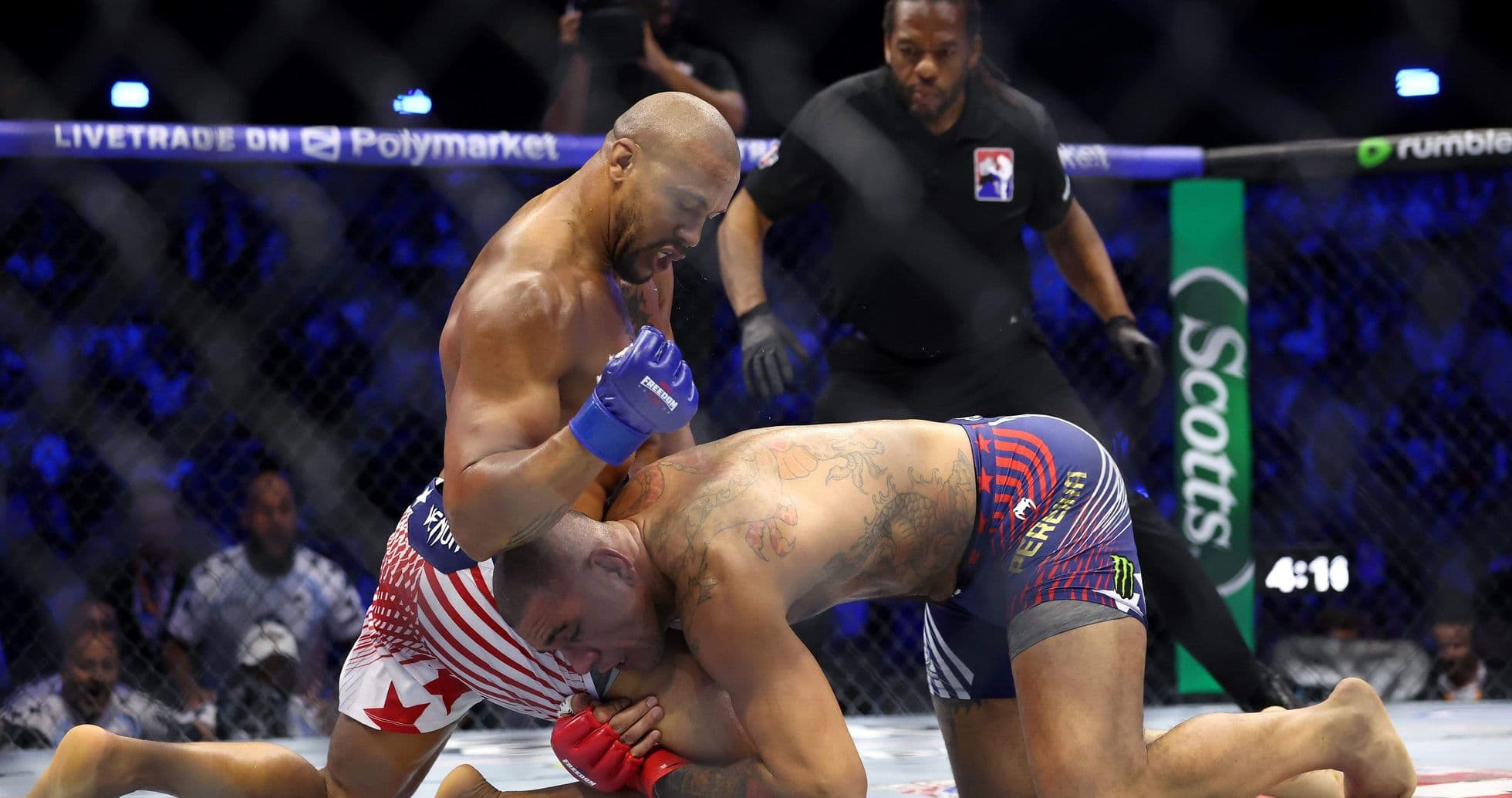
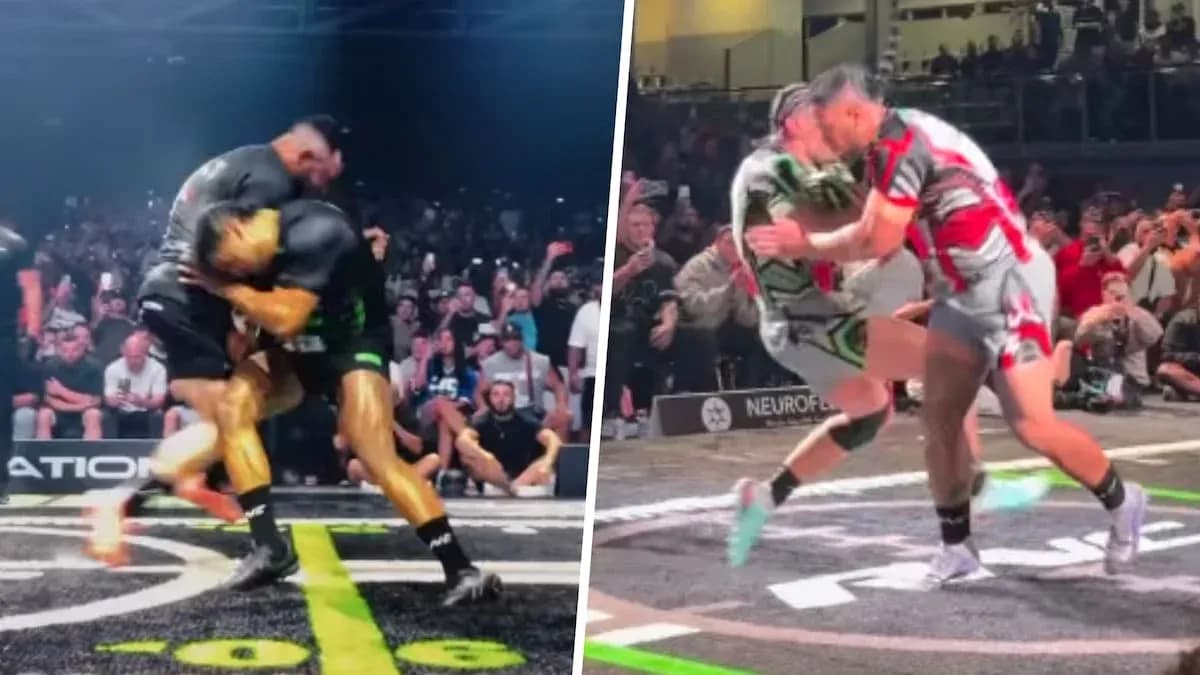
Runit Combat (RNC), the brutal hybrid code that markets itself on raw impact — “the essence of the activity is the collision between them” — has had its latest showcase shut down by the NSW Supreme Court, prompting organisers to postpone the event and accept a new era of regulation.
Court call forces RNC to fall in line
In a statement, RNC confirmed the event’s postponement and acknowledged the court’s ruling, signalling a significant shift for the controversial sport.
“RNC will now operate as a regulated sport in NSW under the authority. We are working with them to bring RNC into that framework properly,” the statement read, a clear concession that the days of operating on the fringes are over.
The promotion announced that “RNC04 will be rescheduled for later in 2026 at Royal Randwick Racecourse. Same venue. Same card. Same event,” insisting that the show, eventually, will go on.
Tickets will automatically roll over to the new date, with refund details sent to every ticket holder by email. RNC also turned directly to its fighters and teams, attempting to steady nerves in a sport already under intense scrutiny.
“To our athletes, coaches and teams. You gave everything to get here. None of it is lost. This is a delay, not a defeat.”
Stars lined up, doubts growing
Former rugby league enforcers Dylan Napa and Sam Kasiano had been scheduled to compete, their presence underlining how RNC has become a magnet for ex-contact-sport players willing to test themselves in an even more punishing arena.
Not everyone who stepped into the RNC orbit stayed there.
Earlier this year, former NRL front-rower Josh Aloiai publicly walked away after serving as a coach for RNC competitors. His reaction after one event cut through the marketing gloss and exposed the unease sitting beneath the spectacle.
In a video posted to social media, Aloiai said: “After coaching at RNC last night, that’s not something I could ever be involved in again.
“As a coach, man, I could not do that again, feels like you’re just preparing dudes to go and get their heads knocked off and get brain bleeds and tap them on the back and squirt water in their face.”
It was a blunt assessment from someone who has lived the collisions of professional sport, and it landed squarely in the middle of an already heated debate about RNC’s ethics and safety.
RNC boss Fernandez, speaking to the Herald earlier this year, responded by stressing that Aloiai was entitled to his views and that the company respects any athlete’s decision about whether to be involved in any sport. The message was calm, but the pressure around the code was clearly building.
Tragedy in the background
The arguments around RNC do not exist in a vacuum.
Vulangi Olosoni, who won the Runit Championship League final — a rival competition to RNC — in June 2025, has already stood in front of that same moral mirror. He previously apologised for his role in influencing young people to take up the controversial sport after the death of New Zealand teenager Ryan Satterthwaite.
That tragedy hangs over every discussion about extreme combat codes, a stark reminder of what can happen when the line between entertainment and endangerment blurs.
Now, with the NSW Supreme Court stepping in and RNC agreeing to come under formal regulation, the sport finds itself at a crossroads: can it keep selling the “collision” as its essence while convincing regulators, athletes and the public that it belongs on the mainstream stage?