Sabalenka Dominates as Alcaraz Recovers in US Open
Arthur Ashe Stadium bathed in late-summer glare and hard New York light has seen its share of coronations. On Wednesday night, both defending US Open champions walked back into the arena knowing the throne never feels heavier than when everyone expects you to keep it.
Aryna Sabalenka didn’t just handle that weight. She smashed it to pieces.
Sabalenka in Brutal, Business-Only Mode
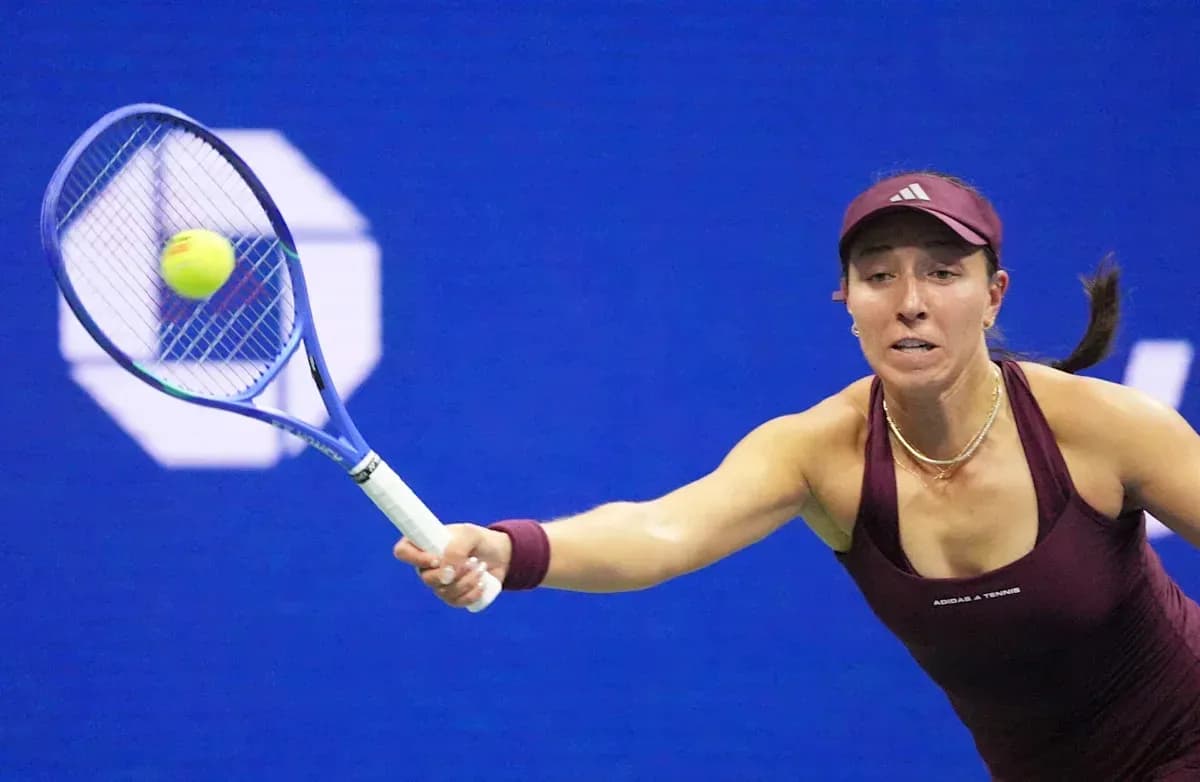
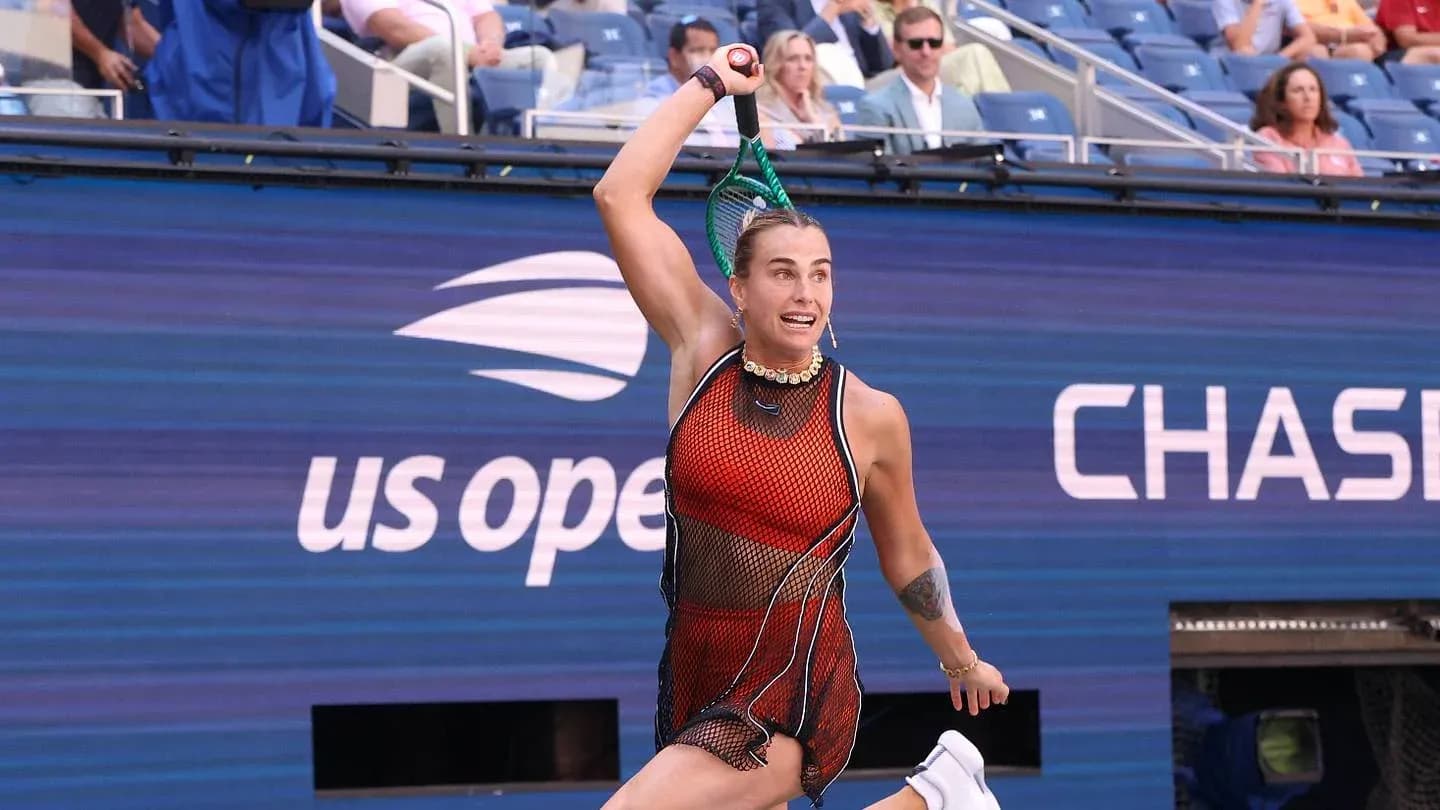
Under the lights, with the No. 1 ranking hanging by a thread, Sabalenka walked out first and turned what might have been a tricky night into a 53-minute demolition.
Polina Iatcenko, 22 years old and making her debut on tennis’ biggest stage, barely had time to breathe. Sabalenka tore through the Russian qualifier 6-1, 6-1, breaking serve three times in each set and allowing only the briefest flicker of resistance when Iatcenko earned a single break in the fourth game of the second set. That was it. One game of relief in a baptism of fire.
Everything about Sabalenka’s performance screamed urgency. The four-time Grand Slam champion hit as if fully aware that this fortnight is about more than another US Open trophy. To stay on top of the rankings, she has to win the title here and hope Elena Rybakina falls before the semi-finals. The once “insurmountable” 3000-point cushion she held over the Kazakh in March has shrunk to just 434. Every match now feels like a referendum on her season.
Her tennis, at least on this night, left no room for doubt. Heavy first strikes. Relentless depth. No charity. Iatcenko, who can still bank the confidence of a strong qualifying run and a maiden second round at a major, was simply overpowered.
Yet the scoreline did not wipe away the tension that has been building around Sabalenka for months. After a blistering start to the year—three titles and an agonisingly close loss in the Australian Open final—her form dipped sharply. Early exits, surprise defeats, questions about focus and confidence. The aura of invincibility that once surrounded her ranking lead has been chipped away, match by match.
On Wednesday, some of that strain spilled over once the racquet was down.
A Frosty Exchange Off the Court
In her post-match press conference, Sabalenka bristled when a journalist raised her recent off-court promotional appearances and appeared to frame them as a distraction before the final major of the year.
“What kind of question is that?” she shot back. “Just because I posted some activities with brands, you think that I've been partying and not training?”
The follow-up—asking if she was “getting serious” now that the tournament had started—only sharpened her tone. “Oh yeah, I wasn't serious before that. Next question,” came the sarcastic reply.
It was a brief flash, but it revealed a player acutely aware of the narrative forming around her. On court, she looks determined to crush it. Off court, she is no longer willing to let it slide unchallenged.
What matters most, though, is that her title defence is moving smoothly. Two commanding wins are in the books, and a potential landmine has been removed from her path. Instead of facing two-time major champion Barbora Krejcikova in the third round, Sabalenka will meet Kamilla Rakhimova, the Czech’s conqueror, on Friday.
The stakes remain stark. Every round she survives keeps the ranking battle alive. Every round she doesn’t dominate invites more questions.
Alcaraz Wobbles, Then Roars Back
If Sabalenka’s night session was a rout, Carlos Alcaraz’s was a reminder that even defending champions can look mortal for a set.
Playing just his second competitive singles match in more than four months, the Spaniard started flat against World No. 72 Jaime Faria. The Portuguese, alert to the hesitation across the net, stepped in and took his chance. He broke Alcaraz in the seventh game, held his nerve, and walked off with the opening set, 6-4. For a few minutes, Arthur Ashe hummed with the possibility of something bigger.
That hope didn’t last long.
Serving at 0-0, 0-40 in the second set, Alcaraz stared at a cliff edge. Lose that game and the upset talk gets real. He saved the break points, held serve, and something inside him snapped into place. From there, the defending champion ripped through the set 6-0, the kind of response that has already become a hallmark of his young career.
Faria refused to fold immediately. The third set opened with an exchange of breaks, the underdog briefly clawing back before Alcaraz broke again and tightened his grip. The fourth set brought no drama at all. By then, the Spaniard was in full command, accelerating to a 4-6, 6-0, 6-3, 6-2 win.
For someone coming off a four-month lay-off with a delicate wrist injury, the most important detail was almost invisible: there was no sign of hesitation on his trademark forehand. The whip, the racket-head speed, the full commitment—everything looked intact.
“I know once I step on the court, I've just got to go for it every time. I've got to feel normal,” Alcaraz said afterwards. “I have to hit like I was hitting before the injury. I'm feeling great. There is no reason to be afraid and not hitting normal.”
He admitted the opening set got away from him. “It was a tough match for me. I felt great in the first set, but I didn't take time and that cost me. After that I tried to be focused, stay calm and think the good things will happen.”
They did. Twice now in New York, Alcaraz has come through with room to spare, his game still short of its spellbinding peak but effective enough to keep him moving.
The Champions Are Through. The Real Examination Is Coming.
Two matches into his comeback, Alcaraz has yet to feel the full squeeze of elite opposition. That will change soon enough. A dangerous third-round test against Wu Yibing awaits, with a potential fourth-round clash with 20th seed Tommy Paul looming beyond that. Five-set marathons, late-night finishes, the strain on that wrist across a full Grand Slam run—those questions still hang in the air.
Sabalenka, too, knows the smooth early days of a title defence can be deceptive. The deeper she goes, the louder the ranking maths will echo around her, the tighter the margins will become.
On Wednesday night, though, both champions did what champions are supposed to do under the New York lights: they won, they imposed themselves, and they kept the story alive.
The real drama starts when someone tries to rip it away from them.