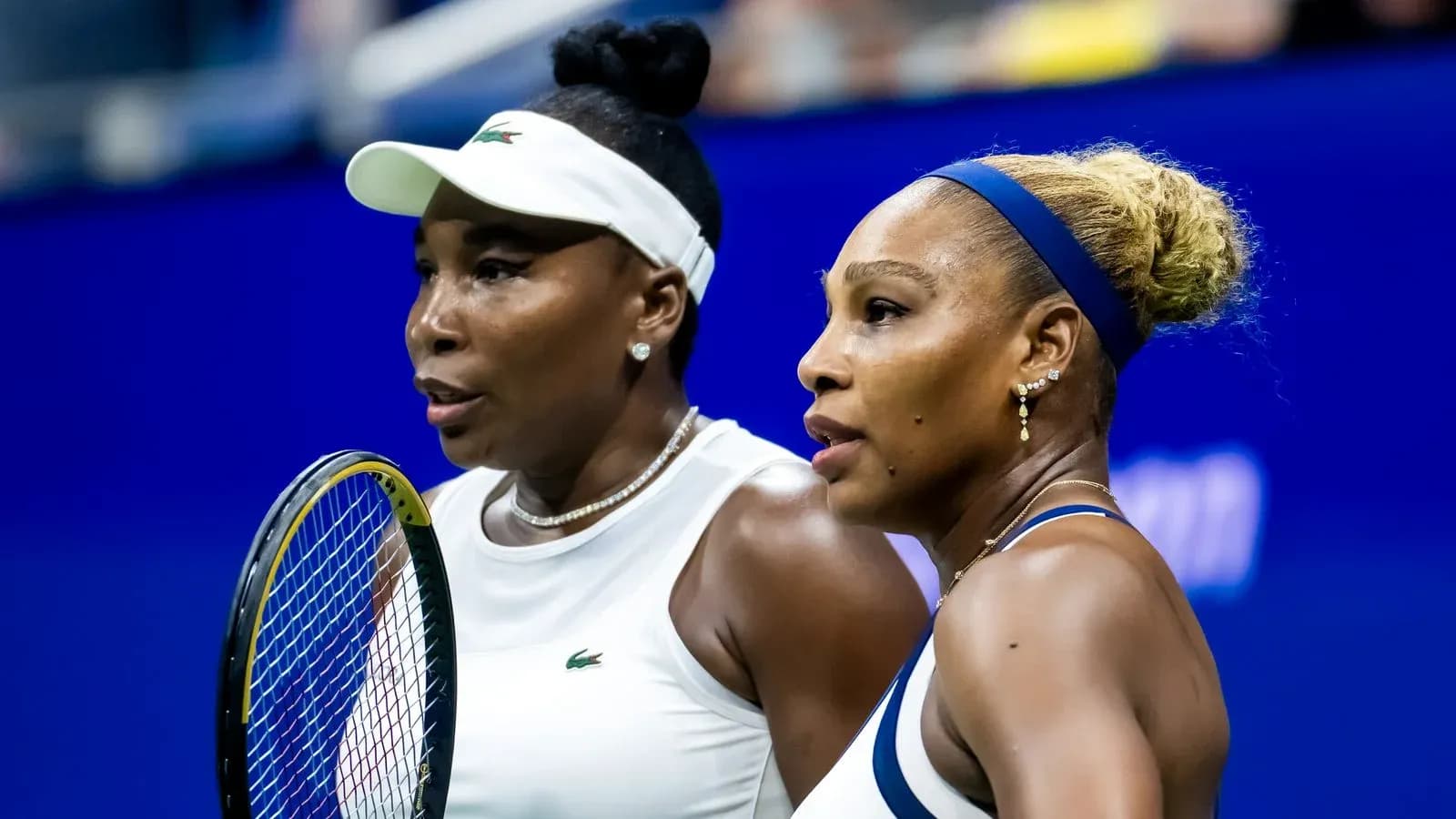
Serena and Venus Williams Return to Arthur Ashe Stadium in Epic Match
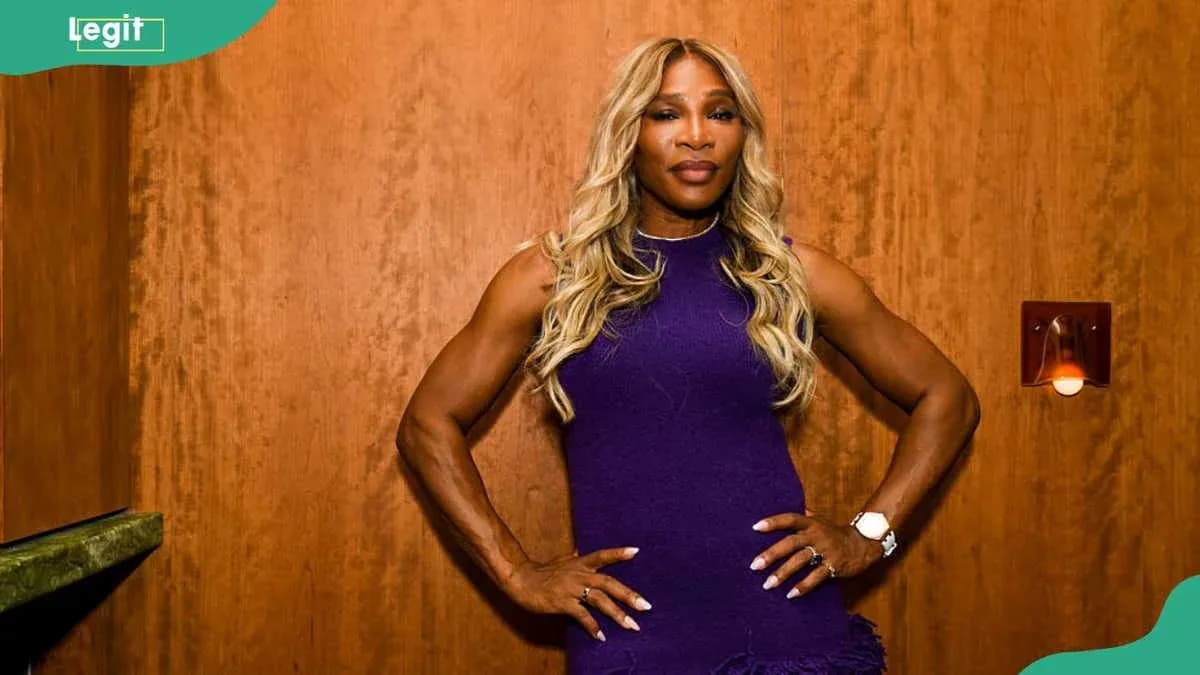
Serena and Venus Williams walked back into the glare of Arthur Ashe Stadium as if time had politely waited for them.
For three hours and two minutes, it almost felt like it had.
The sisters’ first Grand Slam match together since the 2022 US Open became a late-night epic, a rolling wave of nostalgia and nerve that ended in heartbreak. Wild cards in name only, they pushed Maya Joint and Chan Hao-Ching to the limit before losing 6-3 6-7 (8-6) 7-6 (10-7) in a first-round doubles thriller that refused to let go.
They were 5-0 up in the deciding match tie-break. The place was ready to explode. Then the match flipped.
A surge from Joint and Chan, a few tight points from the sisters, and the dream finish dissolved. Chan’s volley on match point cut through the noise and ended the comeback that had drawn 23,000 fans to their feet again and again.
A comeback soaked in history
This was no ordinary return. It came at Serena’s daughter’s suggestion, but it carried the weight of an era. Fourteen Grand Slam doubles titles together. Two US Open doubles crowns. Three Olympic gold medals. Thirty more majors between them in singles. A résumé so heavy it almost needed its own entrance.
Twenty-seven years after they first won this title, they were back on the same stage, with a combined age of 90 and the same unmistakable aura. Every clean strike from Serena, every crisp volley from Venus, was greeted as if it were 2002 all over again.
At times, they obliged. Venus knifed volleys, Serena unloaded from the back of the court, and one vintage exchange summed up the night: a sharp Venus volley set up Serena, who ripped a swinging winner that sent all of Ashe to its feet. For a moment, the years blurred.
But the margins at this level are unforgiving. Two dropped service games from Serena in the opening set – despite a serve that had looked sharp at Wimbledon and in her recent mixed doubles outing with Carlos Alcaraz – gave Joint and Chan the platform they needed. The underdogs took the first set 6-3 and refused to be overawed by the occasion.
Joint’s summer of a lifetime
For Maya Joint, this was more than a win. It was the continuation of a summer that has turned her from promising prospect into a name people now recognise.
The 20-year-old Australian had already stunned Serena on Centre Court at Wimbledon in singles. On Friday night, she walked into Arthur Ashe Stadium to face her again, this time under the lights, in front of a crowd that had come to celebrate the Williams sisters but left talking about her composure.
“Being able to play against such legends of the game is super special,” Joint said on court. She admitted she was “lost for words” and called both Serena and Venus her idols, recalling how she grew up in Michigan looking up to them. Twice in one summer, she found herself across the net from the players who shaped her childhood.
She did not flinch.
The sisters refuse to fade quietly
The second set turned into a test of stubbornness. The Williams sisters tightened their patterns, found more first serves, and dragged the contest into a tie-break. They had chances – four set points came and went – before Joint finally cracked, sending an overhead long to hand Serena and Venus the set on their fifth opportunity.
Arthur Ashe roared. The night stretched on. The sense of occasion grew.
The decider followed the same script, grinding its way to another tie-break. Remarkably, it was the first time Serena and Venus had been beyond 5-5 in a deciding set together since 2001. They had lived entire careers in the years between, but here they were again, back in the same kind of trench.
They struck first. They surged to that 5-0 lead in the match tie-break, riding the noise, feeding off the energy that only they can generate in this stadium.
Then came the stumble.
Errors crept in. Joint and Chan refused to go away, chipping back point by point, sensing the tension rising across the net. The pressure, which had seemed to rest entirely on the younger pair’s shoulders, shifted. The veteran champions blinked. At 9-7, Chan stepped forward and buried the volley that closed the night.
The US Tennis Association confirmed the sisters would not speak to the media afterwards. The crowd filed out with the feeling they had witnessed something bigger than a first-round doubles loss, but also with one unavoidable question: was that the last stand, or just a prelude?
Whisper of a singles return
One voice suggested it might not be over. ESPN commentator Caroline Wozniacki revealed during the broadcast that she believes Serena wants to return to singles next year. No announcement, no timetable, just a hint dropped into the New York air.
If Friday was any indication, the appetite for one more run is still enormous. The reaction to every Serena winner, every Venus hold of serve, every shared smile between points, made that clear.
They did not get the fairytale ending. They did, however, remind everyone why the sport still bends around their presence.
Tsitsipas breaks new ground, Tiafoe cruises
Away from the Williams drama, the men’s draw quietly moved on.
Stefanos Tsitsipas, so often a contender at other majors, finally carved out a milestone in New York. The Greek star recovered from a flat opening set to defeat 18th seed Jiri Lehecka 2-6 6-1 7-6 (7-3) 6-1, booking a place in the US Open fourth round for the first time in his career.
Once he found his range, Tsitsipas dominated. The third set tie-break became the hinge; he seized it, then raced through the fourth as Lehecka faded.
American 11th seed Frances Tiafoe delivered a more straightforward night’s work. Backed by a home crowd that expects him to go deep, he brushed aside Valentin Vacherot of Monaco 6-4 6-2 6-4, a clean, businesslike win that keeps his campaign on track.
The new generation moved forward. The icons walked off into the New York night, leaving the stadium buzzing and one lingering thought: how many more times will tennis get to feel what it felt when Serena and Venus stepped back into the arena together?