Serena Williams and the $400 Million Gap in Women's Sports
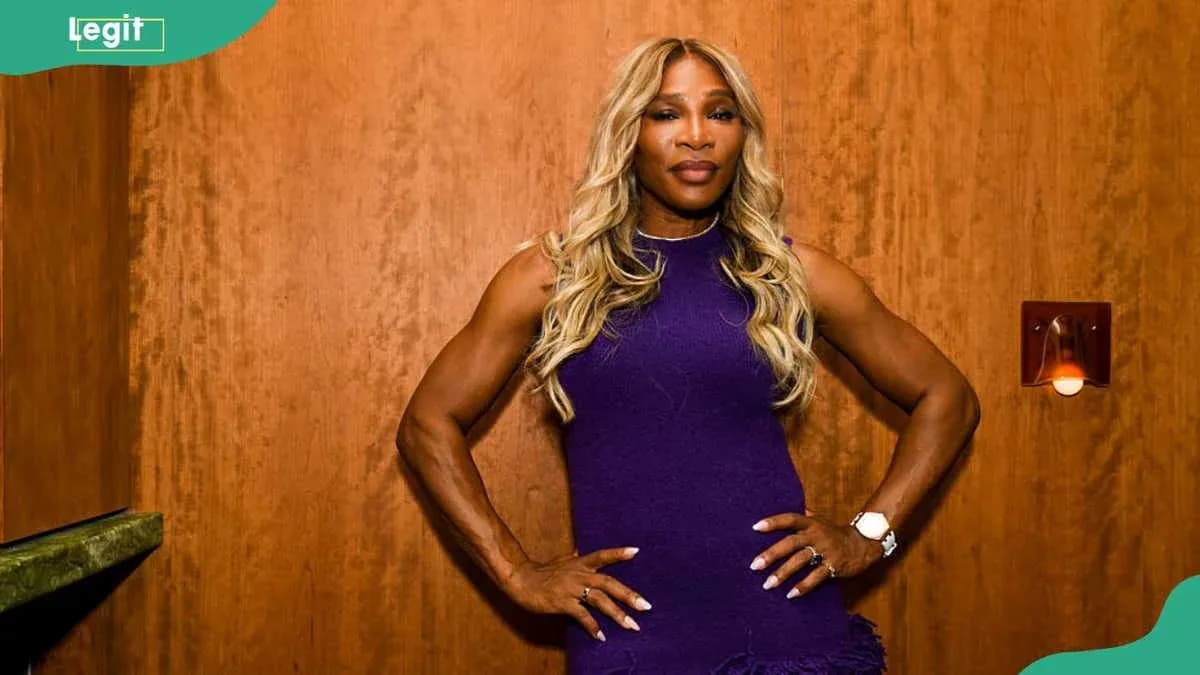
Serena Jameka Williams has not played a full season in years. It hasn’t mattered. The numbers keep climbing, the distance keeps growing, and the richest woman in sporting history now sits on an estimated $400 million fortune — a figure that makes every other female athlete look like they are chasing a different game entirely.
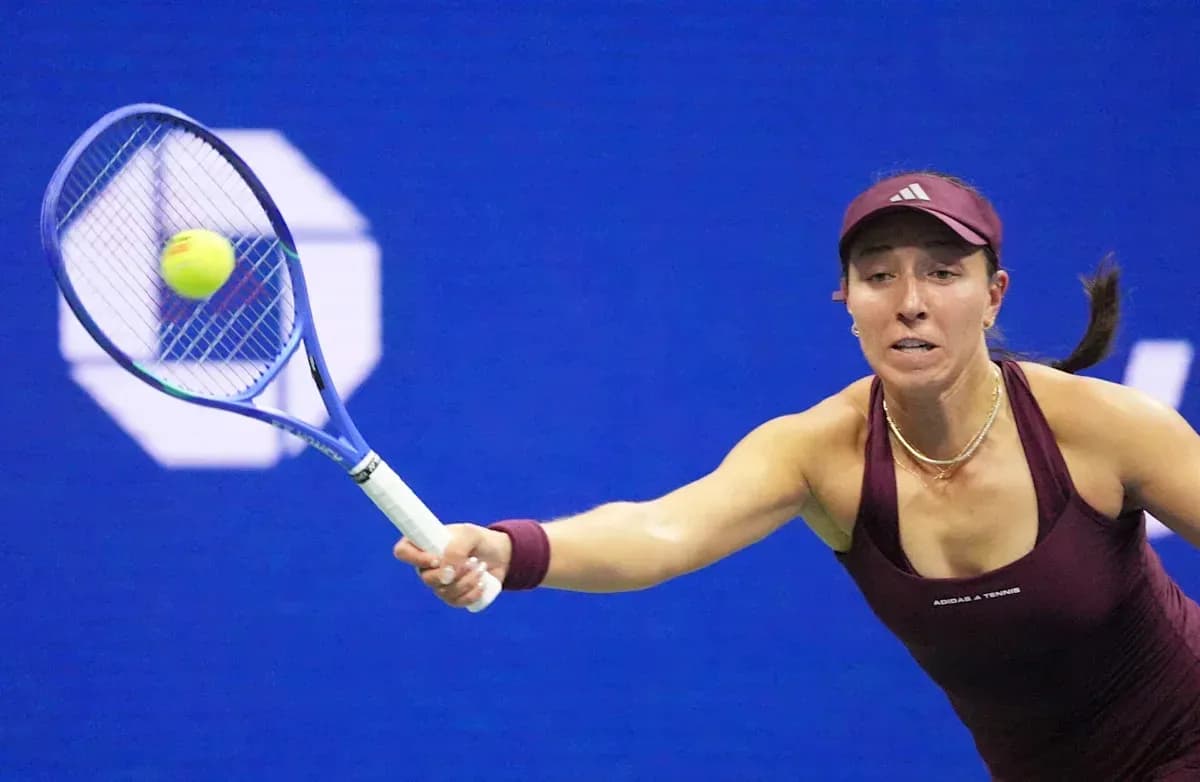
Coco Gauff, the sport’s brightest new star and the highest-paid active female athlete in the world, pulls in about $33 million a year. That is a staggering annual haul for a 21‑year‑old. It is also a reminder: even at that pace, she is still a long way from Serena’s summit.
This is what the money mountain in women’s sport looks like right now.
The $400m standard: Serena Williams
Serena’s career is the template and the outlier all at once.
On court, she earned $94.8 million in prize money, the highest total in WTA history, built on 858 singles wins, 73 titles and 23 Grand Slam singles trophies. Seven Australian Opens. Three French Opens. Seven Wimbledons. Six US Opens. A career that bent the sport around her.
Off court, she turned dominance into an empire. Ten long-term sponsorships — from Nike and Wilson to Audemars Piguet and Lincoln — still pay out years after her last match. Over the last 12 months alone, she has banked an estimated $50 million before taxes and fees.
Then there is Serena Ventures. As CEO, she raised $111 million for a first fund, backing 16 companies and taking minority stakes in the Miami Dolphins, Angel City FC, and the WNBA’s Toronto Tempo. For all the prize money and appearance fees, it is this investment portfolio that has locked in her status as the richest female athlete ever.
No one else is close.
The chasing pack: Sharapova and Venus
Second place on the all‑time list belongs to Maria Sharapova at around $175 million. For more than a decade, she was the highest-paid female athlete in the world, her income built on a clean, ruthless formula: titles plus image plus global brands.
A five-time Grand Slam champion who completed the career Grand Slam, Sharapova fronted Nike, Porsche, Head, TAG Heuer and Evian at the same time during her peak years. Across her career, she earned roughly $300 million in prize money and endorsements combined. In 2012 she launched Sugarpova, her own candy line, adding another commercial arm that continued to pay out after her 2020 retirement. The result: a clear, if distant, No. 2 behind Serena.
Third on the list is Venus Williams at about $95 million. Her numbers tell one story: $42.8 million in prize money, seven Grand Slam singles titles, five of them at Wimbledon. Her impact tells another. Venus fought for equal prize money at the majors and helped drag the sport into a new financial era.
She also built away from the baseline. Her fashion label EleVen and interior design firm VStarr Interiors diversified her income, while a joint podcast with Serena, Stockton Street*, added another media strand to a career that never sat still.
Danica Patrick and the non‑tennis breakthrough
Tennis dominates the rich list, but not completely. Danica Patrick, with an estimated $80 million net worth, stands as the wealthiest woman from outside the sport.
Patrick remains the only woman ever to win an IndyCar race, taking the 2008 Indy Japan 300, and she turned that historic moment into a long-running commercial machine. At her peak, she earned north of $10 million a year, powered by headline partnerships with GoDaddy, Coca‑Cola and Peak antifreeze. The prize money mattered; the branding mattered more.
She retired from racing in 2018, but the business story rolled on. In early 2025, she added an investment in Unrivaled, the women’s basketball league, to an already varied post‑racing portfolio.
Osaka, Sörenstam and the business of star power
Naomi Osaka sits fifth on the all‑time list at about $45 million, but her earnings trajectory has been explosive. Between 2019 and 2025, she pulled in an estimated $230 million, with only around $25 million of that coming from actual tennis results.
Osaka has built her own ecosystem: co‑founder of sports agency Evolve, founder of KINLÒ skincare, and founder of production company Hana Kuma. She topped Forbes’ highest‑paid female athlete list for three straight years, peaking at $51.1 million in 2022 and hitting a personal best of $57.3 million in 2021. For a player still in her 20s, $45 million in net worth looks less like a ceiling and more like a starting point.
Ahead of her at No. 6 is Annika Sörenstam, the most dominant female golfer of her era, with an estimated $40 million. She won 72 LPGA Tour titles, including 10 majors, then pivoted into business with similar precision: golf course design, her own wine label, and the Annika Foundation. Endorsements with Rolex and Callaway stretched well beyond her 2008 retirement, and she even returned to competitive play at the 2022 US Women’s Open. The money kept moving long after the full‑time grind stopped.
Icons beyond the big three sports
Simone Biles, at around $30 million, has rewritten what a gymnast can be — in the arena and in the market. The most decorated gymnast of all time, she has lined up partnerships with Audemars Piguet, Lilly, Nulo Pet Food, K18 haircare, and gymnastics brands GK Elite and Spieth America.
Her decision to withdraw from several events at the Tokyo Olympics in 2020 to prioritise mental health sparked global debate and only sharpened her profile. The Netflix documentary Simone Biles Rising, later nominated for an Emmy, captured that arc and added to her commercial reach.
Lindsey Vonn, level with Coco Gauff on this list at roughly $28 million, is the most decorated American alpine skier ever. Four overall World Cup titles. An Olympic gold in Vancouver in 2010. Long‑term deals with Red Bull, Under Armour and Rolex formed the backbone of her wealth. She retired in 2019 but remains a fixture in campaigns and media work.
Ronda Rousey, at about $25 million, rounds out the top 10. The first woman to headline a UFC pay‑per‑view and the first female inductee into the UFC Hall of Fame, she dragged women’s MMA into the mainstream. Her crossover into WWE and Hollywood opened endorsement doors with Reebok, Monster Energy and more. Her peak earning window, from 2014 to 2016, came when she was one of the most recognisable athletes on earth. In 2024, she added author to the résumé with her memoir, Our Fight.
Coco Gauff and the new money era
Then there is Coco Gauff, already on this list at $28 million in net worth, yet earning more annually than almost anyone before her.
For the second straight year, Forbes ranks Gauff as the world’s highest‑paid female athlete, with $33 million in 2025. Around $8 million of that came from the court — boosted by her French Open triumph — while $25 million flowed from endorsement partners such as New Balance, Bose and Baker Tilly.
At just 21, her accumulated wealth still lags her yearly income. She is the fastest climber in the rankings, but even at this pace, Serena’s $400 million mark remains a distant target.
Endorsements over prize money — by design
Across the top 10, the pattern is unmistakable. The list spans from Serena’s $400 million down to Rousey’s $25 million, and most of that money was built away from the scoreboard.
For the top‑earning women, endorsements account for around 70% of total income. For the top‑earning men, that share drops to about 35%. The richest women in sport have had to become brands as much as champions — investors, founders, media figures, equity partners.
Only five women have ever cleared $30 million in a single year: Naomi Osaka, Serena Williams, Coco Gauff, Maria Sharapova and Aryna Sabalenka. A record 15 female pros earned more than $10 million in 2025 through salaries, prize money and sponsorships, up from just six in 2023. The ceiling is rising, fast.
The Serena question
So who is the richest female athlete in the world right now? The answer is still Serena Williams, and it is not close. She built a $400 million empire out of prize money, global endorsements, venture capital, equity in NFL and soccer franchises, and a real estate portfolio that stretches from Florida to Paris.
Sharapova, with roughly $175 million, remains far ahead of Osaka’s $45 million. Gauff leads the current earning race at $33 million a year, but her net worth is still in its early chapters.
The gap at the top is enormous. The field is finally starting to sprint.
The real question is no longer whether women can get rich from sport. It is who, if anyone, will ever run down Serena’s $400 million head start.