Sergio Conceição Reflects on Milan's Challenges and Pressure
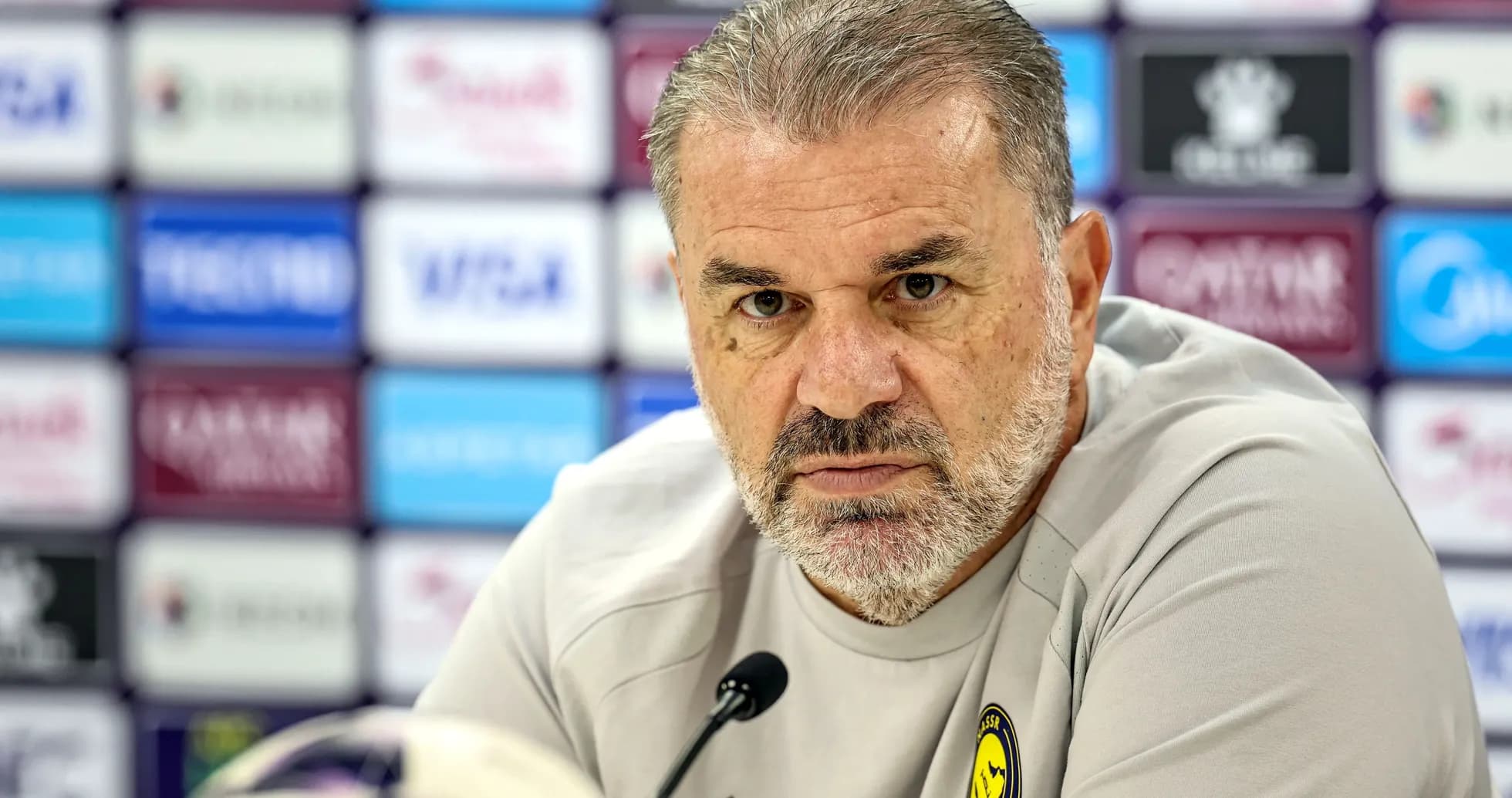
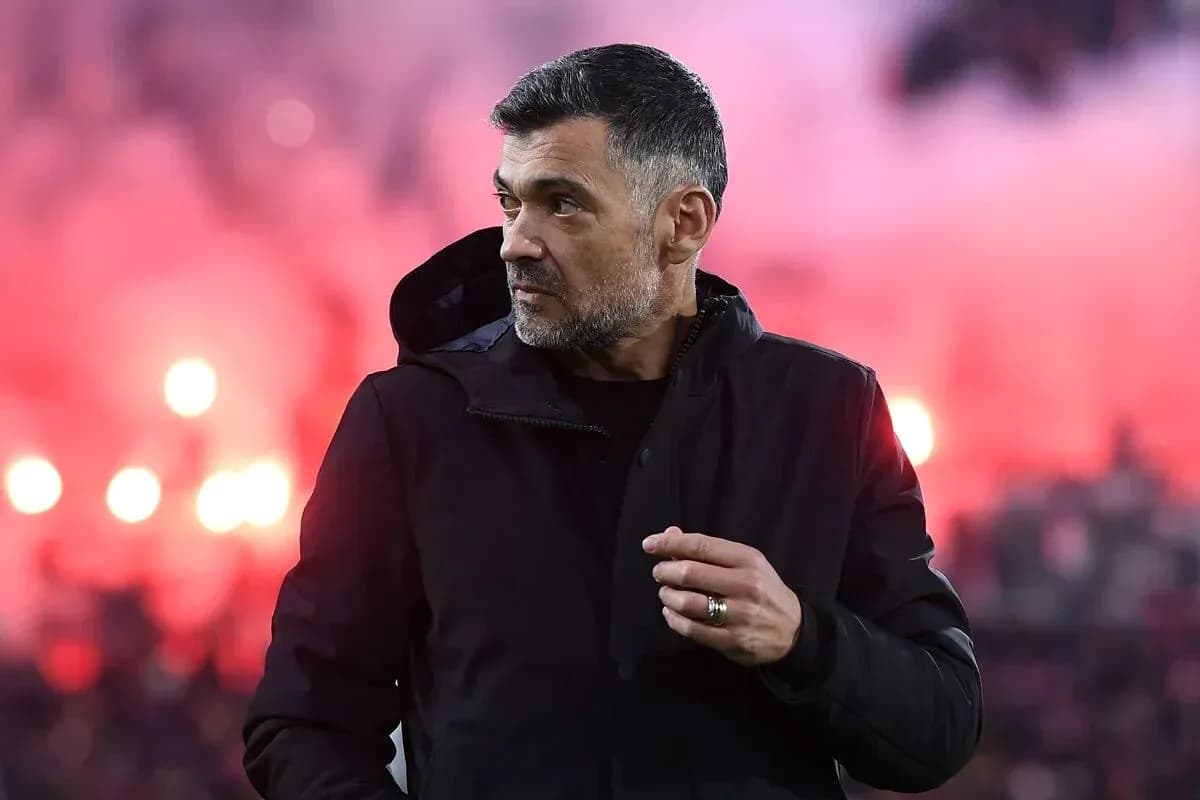
Sergio Conceição does not dress it up. His six months at Milan were bruising, and he knows it. But as he looks back now, from the relative comfort of a TV studio, he is adamant about one thing: the coach, he insists, has never been Milan’s only problem.
The former Rossoneri boss, speaking as a guest analyst on DAZN’s Portuguese Champions League coverage, reflected on his short and turbulent spell at San Siro and sent a pointed warning to the man now stepping into the same storm, Rubem Amorim.
“It won’t be easy at all”
“I send him a big hug and wish him good luck on this new journey, which won't be easy at all, especially because of the atmosphere at the club,” Conceição said, laying bare the weight that comes with the Milan bench.
“There’s a lot of pressure, people think they should be winning the league and Champions League every year.”
That pressure swallowed him quickly. Conceição arrived midway through the 2024-25 season and started with a bang, lifting the Supercoppa Italiana within his first two games. It looked like the launchpad for a revival. It wasn’t.
Milan limped to an eighth-place finish in Serie A, missing out on European football altogether for 2025-26. For a club built on nights under the floodlights of Europe, the fall stung. The Supercoppa soon felt like a footnote.
“I was in Milan for six months and things went… I wouldn't say well,” he admitted. “But we managed to win a Super Cup and got to the final of the Coppa Italia.”
The images from that Coppa Italia run still frame his tenure: acknowledging the fans at San Siro after the semi-final against Inter; walking past the trophy in Rome after defeat to Bologna in the final. Close, but not enough for a fanbase conditioned by history to measure success in titles, not nearly-moments.
Allegri’s fall as evidence
Conceição’s exit opened the door for a familiar figure. Milan turned to Massimiliano Allegri for the 2025-26 season, betting that a steady hand and a year without European distractions would restore order.
It didn’t. Allegri’s Milan spent large stretches of the campaign in second place, seemingly on course to reclaim a Champions League spot. They faded badly, finished fifth, and again fell short of expectations despite the luxury of a lighter schedule.
The response from the club hierarchy was brutal and sweeping. Allegri was sacked the day after the season ended. Sporting director Igli Tare, technical director Geoffrey Moncada and CEO Giorgio Furlani all followed him out of the door.
For Conceição, that chain of events underlines his argument.
“Amorim mentioned recently that Milan have won two league titles in 20 years and that is true,” he said. “One of their two most recent trophies was mine,” he added, referring to the Supercoppa Italiana.
“And it’s been confirmed that the coach is not the problem. Obviously, I take my fair share of the blame and I don't want to shy away from my responsibilities, but we've now seen Allegri and the whole management team fall.”
The message is clear. At Milan, the dugout keeps changing, the pressure never does.
A club chasing its past
Conceição’s comments cut to the heart of Milan’s current identity crisis. A fanbase shaped by eras of dominance still looks at the badge and sees a club that should be fighting for the Scudetto and the Champions League every season. The recent record tells a harsher story: just two league titles in two decades, sporadic trophies, long stretches of frustration.
That gap between memory and reality is where coaches like Conceição, Allegri and now Amorim must work. Every stumble feels like a betrayal of the club’s past. Every trophy is framed as a minimum requirement, not an achievement.
Conceição is not asking for sympathy. He knows what he signed up for and openly concedes that his Milan side fell short. But he also wants the wider picture recognised: when two different coaches fail in quick succession, and an entire management team is swept aside, the issues run deeper than the man on the touchline.
Now Amorim walks into San Siro with that knowledge ringing in his ears, aware that even a trophy may not be enough to quiet a club that still measures itself against its golden years. The question is not whether he understands the scale of the task.
The question is how long Milan will give him to change a culture that has been eating its own for years.