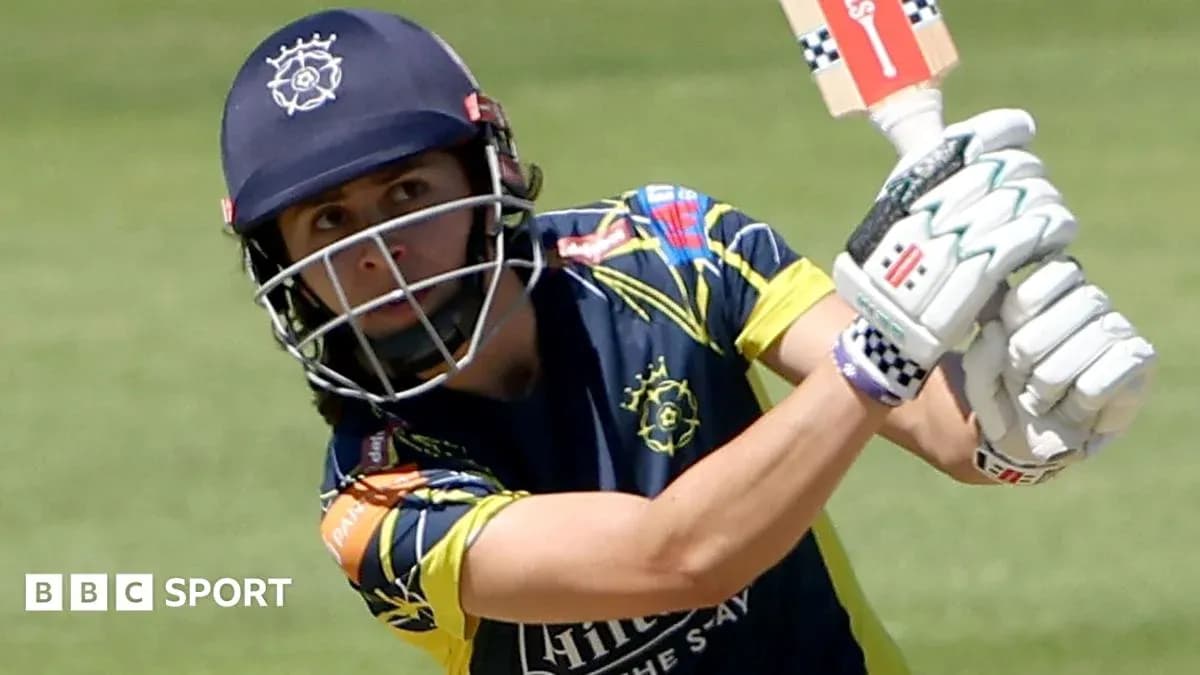

Shafali Verma's Milestone and India's Dominance Over Pakistan
At the Dubai International Stadium, the contest everyone circled on the Women’s Asia Cup calendar barely lasted long enough to breathe. Pakistan folded for 55. India cantered to the target with 68 balls to spare. Yet the moment that will be replayed longest is not a cover drive or a looping off-break, but a stare and a send-off.
A captain’s roar in a lost cause
Pakistan captain Fatima Sana walked out with ball in hand knowing her side had left her almost nothing to defend. Bowled out for 55 in 18.1 overs after choosing to bat, Pakistan needed their leader to produce something special with the new ball just to make the evening respectable.
She tried to do exactly that.
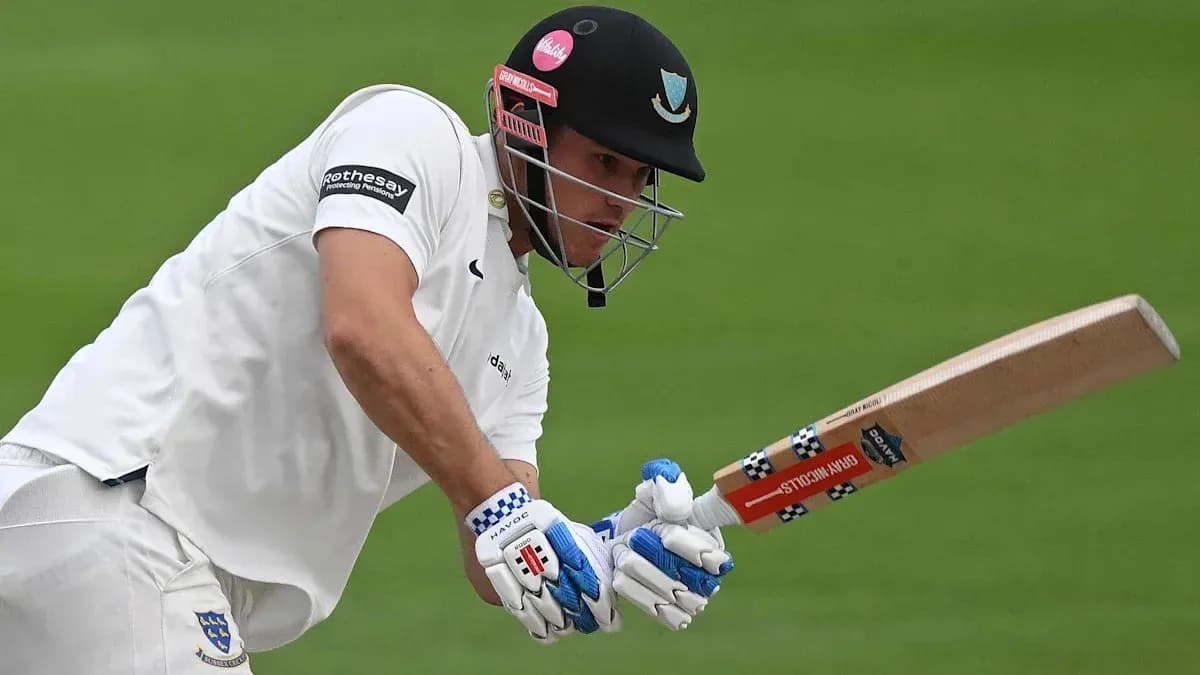
Facing her was Shafali Verma, India’s fearless opener, who set the tone by launching the very first delivery of the chase for six. It was a statement swing: India were not going to tiptoe after this target.
Fatima did not retreat. On the third ball of her second over, she hit the perfect length. The ball climbed a touch more than Shafali expected, cramping the right-hander as she tried to work it through the leg side. Instead of a firm clip, the bat produced a leading edge that ballooned straight back down the pitch.
Fatima held her nerve and the catch. Then came the flashpoint.
The Pakistan captain turned the dismissal into a message, pointing Shafali towards the pavilion with a fiery send-off. No half-smiles, no apology. Just raw competitive edge in a match already slipping away. On commentary, Vivek Razdan captured the irony in real time: “Okay, you are showing her the way out. Your entire team just scored 55 runs, and now you're sending Shafali Verma back.”
Shafali didn’t bite. She simply turned, head still, and walked off. Twelve runs off six balls – one four, one six – and a chase already broken open.
A landmark hidden inside a stroll
Beneath the noise of the send-off and the ease of India’s win sat a landmark that speaks to Shafali Verma’s standing in the women’s game.
During the innings, the opener became the youngest batter to cross 3,000 runs in women’s T20Is. At 22 years and 220 days, she pushed past Ireland’s Gaby Lewis, who reached the mark at 24 years and 347 days. Shafali also got there quicker than anyone else in terms of balls faced: 2,182 deliveries, eclipsing the previous best set by Australia’s former captain Alyssa Healy, who needed 2,321.
The numbers underline what the eye already knows. Shafali’s method is high risk, high reward, and relentlessly proactive. Even in a chase of 56, she attacked from ball one. That she walked back after a brief cameo did nothing to dim the significance of the milestone. This was a day that will sit in her personal record book long after the details of the chase are forgotten.
Pakistan’s decision backfires
The match began with a bold call. Fatima Sana won the toss and chose to bat, backing her lineup to set a total in a high-pressure rivalry game. India’s bowlers shredded that script.
Pakistan never settled. Wickets fell in clusters, the innings never found rhythm, and the scoreboard crawled. India’s attack shared the damage: Shree Charani and Prema Rawat picked up three wickets each, while Deepti Sharma added two, squeezing the life out of Pakistan’s middle order. Every attempted rebuild ran into another disciplined spell, another misjudged stroke.
By the time the last wicket fell at 55 in the 19th over, the contest looked almost finished on paper.
India’s chase: brief turbulence, no drama
India treated the chase like a net session at first. Shafali’s opening six signalled intent, and the required rate vanished as a factor within minutes. Fatima Sana, though, refused to let the innings drift into a procession.
She struck at the top, prising out Shafali, then removing Smriti Mandhana and Pratika Rawal to give the scorecard a little wobble. Three top-order wickets in a defence of 55 is more than many captains manage with far greater resources.
But the target was too small, the batting depth too strong.
Harmanpreet Kaur walked in, unhurried and unflustered. Deepti Sharma joined her, and together they shut the door on any faint Pakistani hopes. Harmanpreet finished unbeaten on 18, Deepti on 12, and India crossed the line with seven wickets in hand and a mountain of balls unused.
The margin reflected the gulf on the day. Pakistan had a captain willing to fight, to snarl, to send off one of the world’s most dangerous openers. India had the runs, the control and, in Shafali Verma, a batter whose milestones now arrive with the inevitability of a new era taking shape.