Shakhtar Donetsk Show Resilience in PSV Draw
Shakhtar Donetsk walked out of the Philips Stadion with more than a point. They left with proof that their football, and their resolve, can live with Europe’s hardest pressers.
A 1-1 draw against PSV Eindhoven to open a UEFA Champions League campaign rarely feels like a statement. This one did.
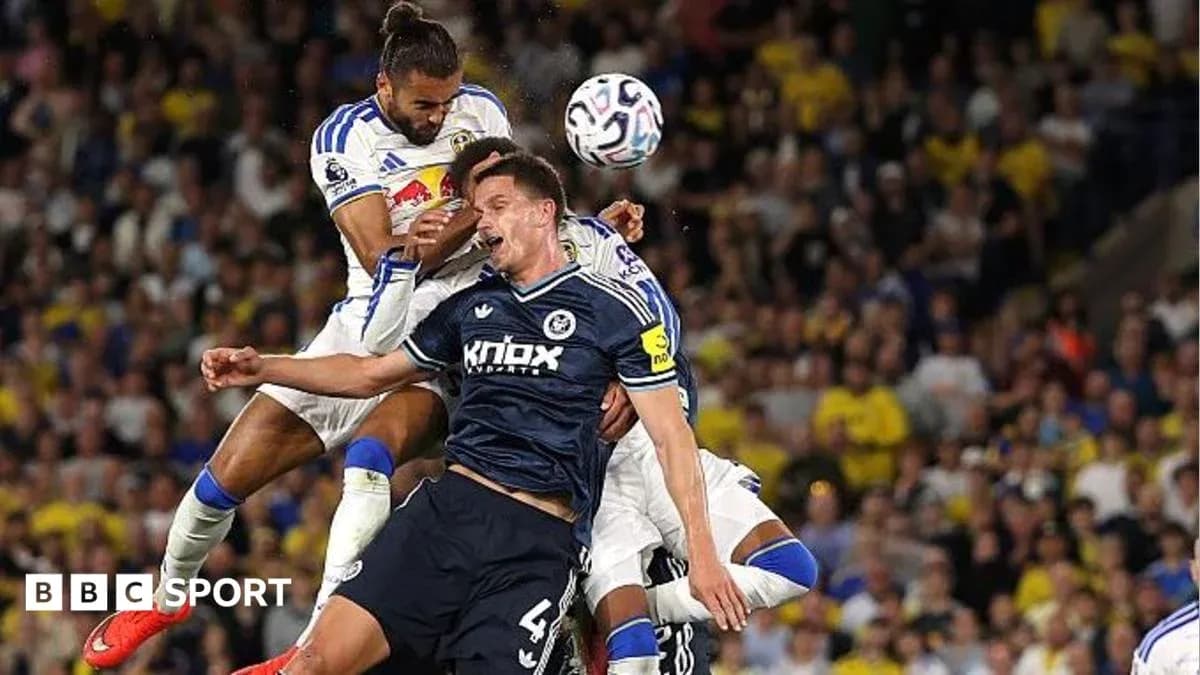
Gleiker Mendoza, on his debut in the competition, bent in a gorgeous opener in first-half stoppage time. A strike hit with calm, curled with conviction, born from a plan drilled into him all week. Sergiño Dest replied soon after the interval to haul PSV level, and from there the Dutch champions poured forward, wave after wave, only to find Shakhtar refusing to break.
They bent. They did not snap.
Turan refuses to imitate
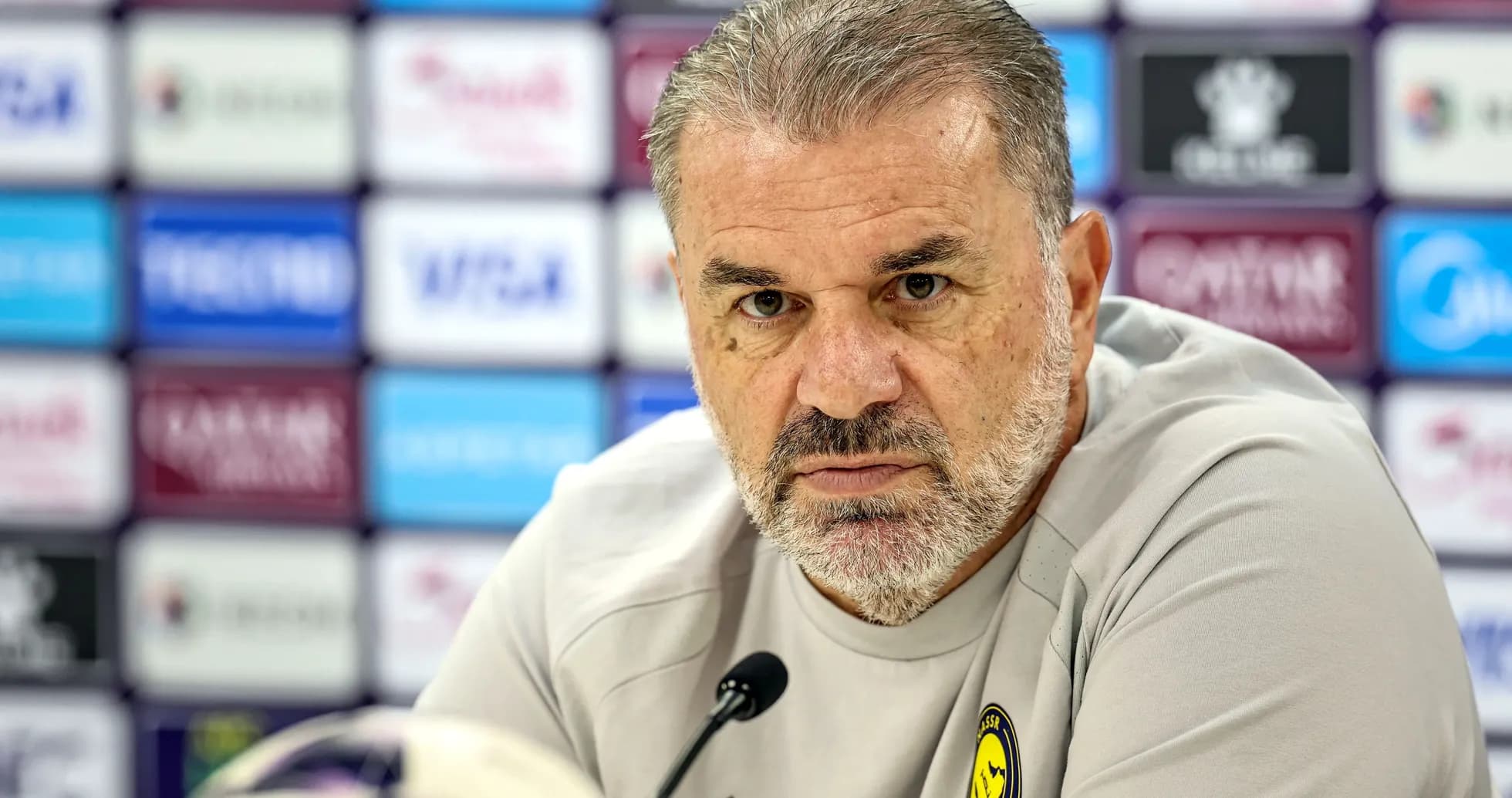
Arda Turan has seen enough of European nights to know that copying the opponent is a shortcut to defeat. He said as much afterwards.
“I told them: if we play like PSV, we will not win,” the Shakhtar head coach explained.
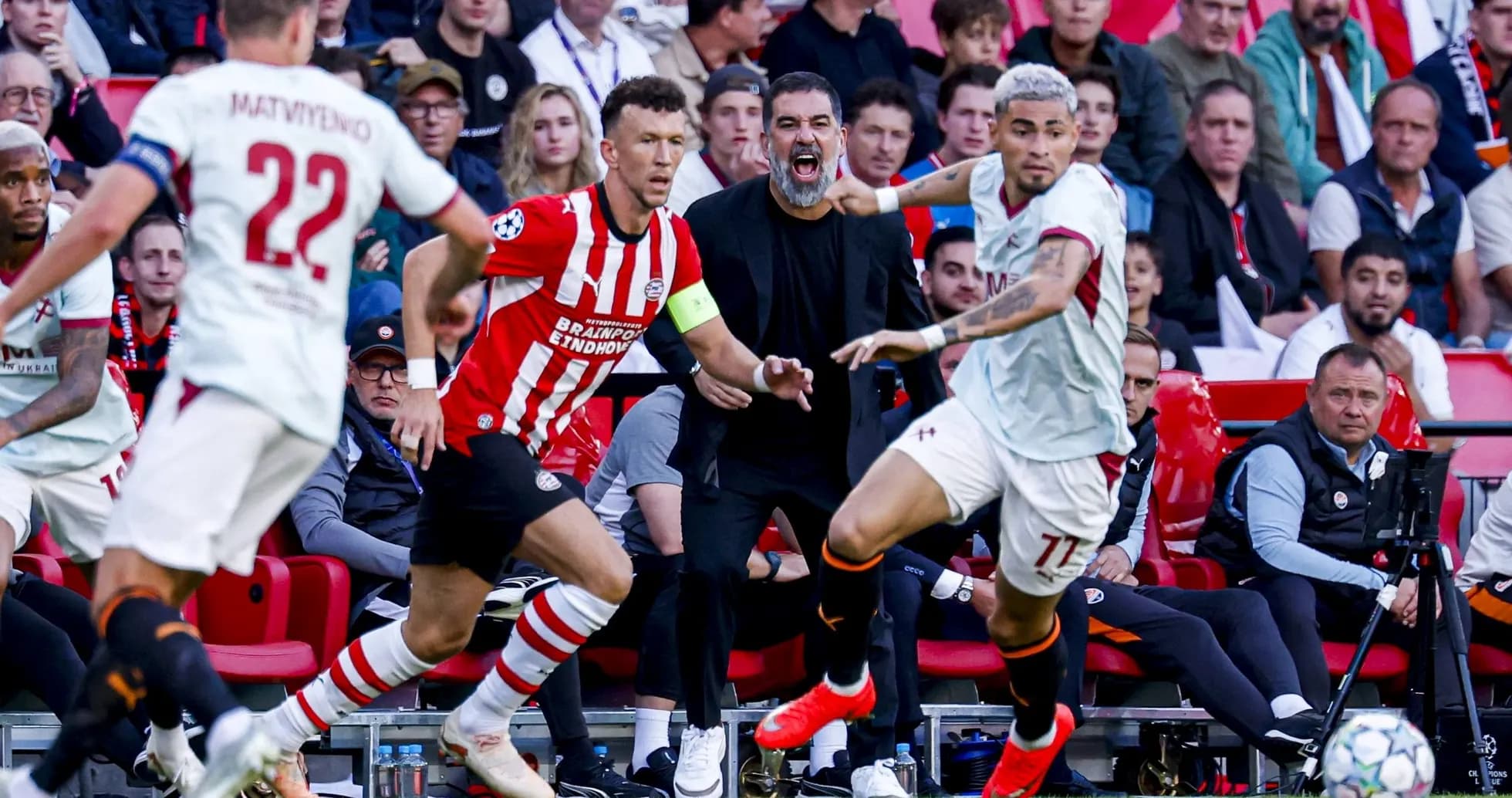
That line summed up the entire evening. PSV pressed man-to-man, suffocating, aggressive, trying to force Shakhtar into mistakes and long, hopeful clearances. Turan went the other way.
He demanded that his players keep the ball, trust their own patterns, and lean into their strengths rather than mimic the home side’s fury. The key, he stressed, lay in details: diagonal movements to unhinge the press, subtle shifts in body shape to receive the ball under pressure and escape the first line of engagement.
Those tweaks mattered. They turned what could have been a frantic survival act into a controlled, if risky, operation. Shakhtar didn’t dominate the ball, but when they had it, they used it with intent.
Mendoza hits the half-space – and the target
The breakthrough arrived right where Turan had drawn his arrows: in the half-spaces between PSV’s lines.
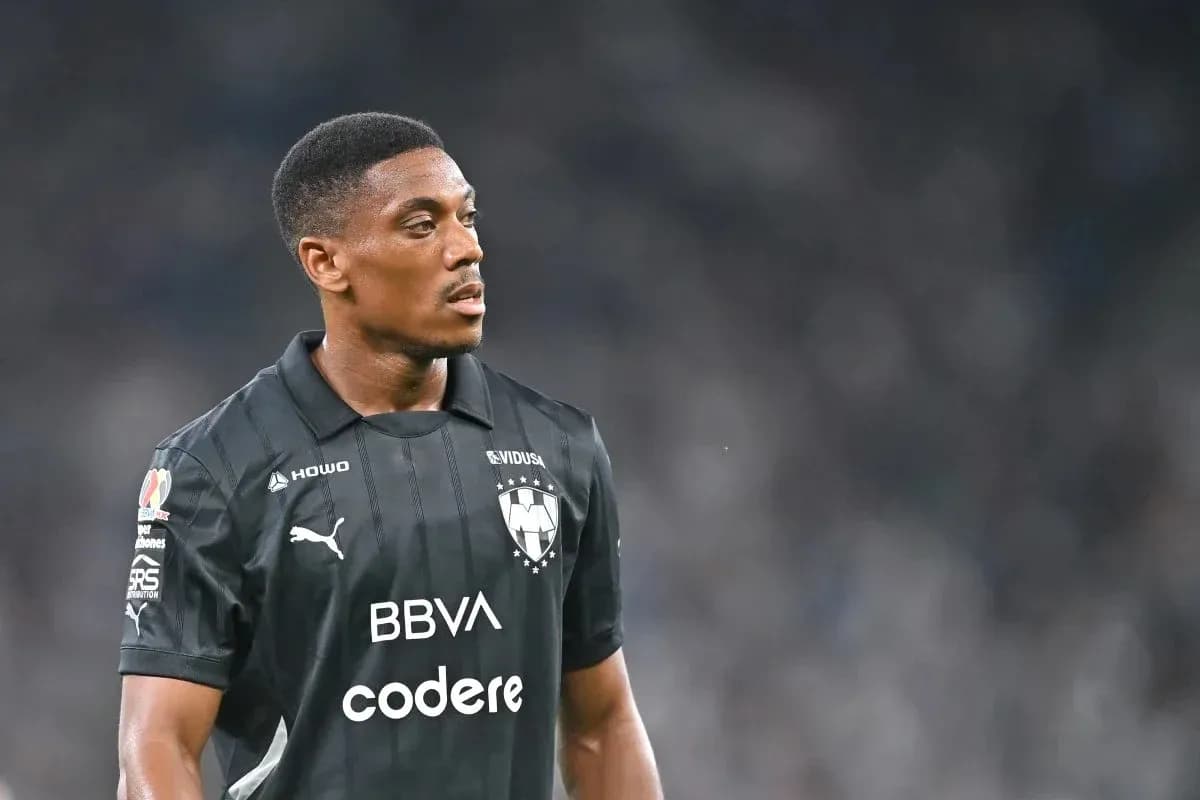
Just before the interval, with PSV briefly stretched, Mendoza drifted into that pocket, received, and curled a stunning finish beyond the goalkeeper. It was the sort of goal that looks improvised but usually comes from repetition and instruction.
“Mister always emphasises that we should attack the half-spaces between the lines,” Mendoza said later, still struggling to process the scale of the moment.
He admitted he could barely put his emotions into words, but his finish had already spoken loudly enough.
The Venezuelan’s debut in the Champions League could hardly have been scripted better: a first game, a first goal, and a reminder that Shakhtar continue to unearth and polish talent even in the most difficult circumstances.
Dest’s equaliser early in the second half threatened to flip the script. The stadium woke up, PSV’s press tightened, and Shakhtar suddenly found every touch contested. Yet the visitors stuck to Turan’s plan. They did not abandon their principles or retreat into panic.
A blanket, a bombing raid, and a bond
Turan’s post-match reflections were not only tactical. They were deeply personal.
He singled out 19-year-old midfielder Isaque, who made his Champions League debut on this night. For most coaches, that would be a simple footballing milestone. For Turan and Isaque, it carried heavier weight.
“When I think about Isaque, I remember a photograph on my phone,” Turan said. The image is from a night when they were being bombed, sheltering in a hotel lobby. Turan covered the teenager with a blanket, a small act in a brutal context. “I told him he has to be ready for the fight.”
That story framed the performance in Eindhoven. Shakhtar are not just a young team trying to survive the Champions League; they are a club playing through trauma, shaped by nights far darker than anything a stadium floodlight can reveal.
Turan linked that shared hardship directly to the resilience on show against PSV. The ability to suffer without folding, to stick to a plan under pressure, to keep passing the ball when legs are heavy and lungs are burning – for him, it all grows from the same root.
Holding the line under fire
Once Dest struck, PSV surged. The Dutch champions pressed higher, ran harder, and threw bodies into the box. The final stages felt like a siege.
Shakhtar’s response was not heroic in the cinematic sense – no last-ditch wonder tackles, no freakish saves defining the contest – but it was quietly impressive. They managed the space, stayed compact, and chose their moments to play out rather than simply launch the ball away.
Turan had praised his squad’s tactical discipline and bravery, and in those closing minutes both qualities were tested. Shakhtar passed.
For a club uprooted from home, carrying the weight of a country and a conflict, a point away to PSV is more than a line in a group table. It is validation that their way of playing, and their way of enduring, still belongs on this stage.
Mendoza put it simply: the intensity of the competition is “incredible,” and the priority now is to “continue at this pace and keep picking up points.”
The Champions League rarely allows time to breathe. Shakhtar have taken their first one. The question now is how far this blend of tactical clarity and hardened resilience can carry them across a long European night.