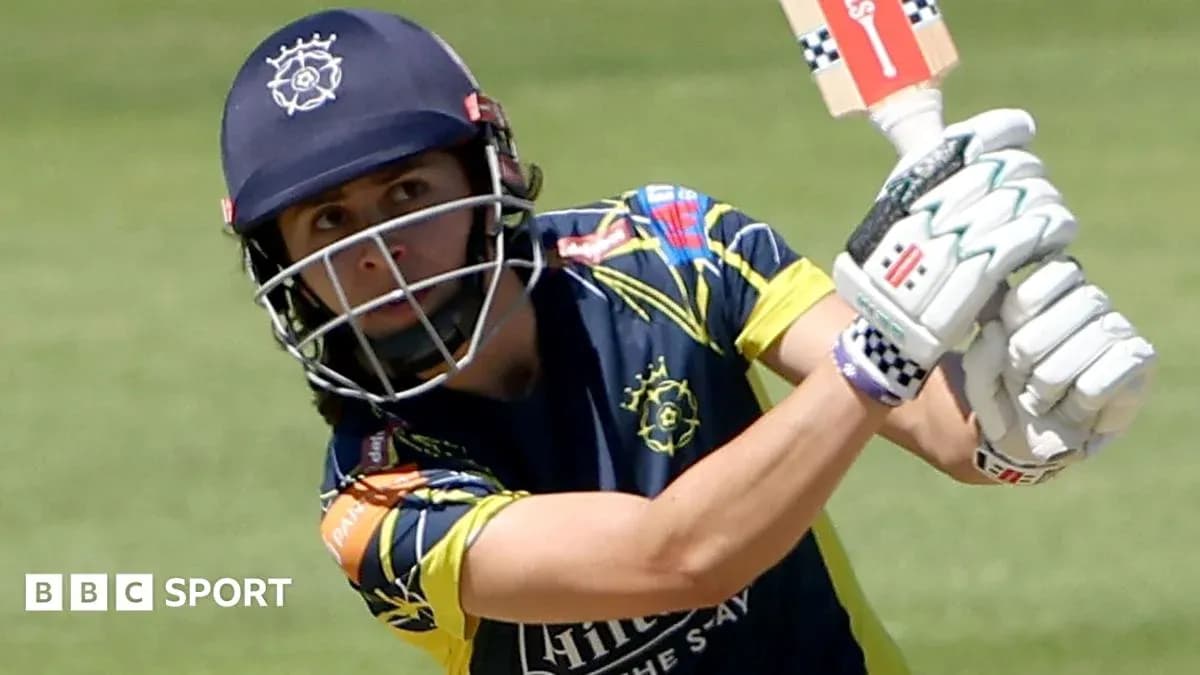
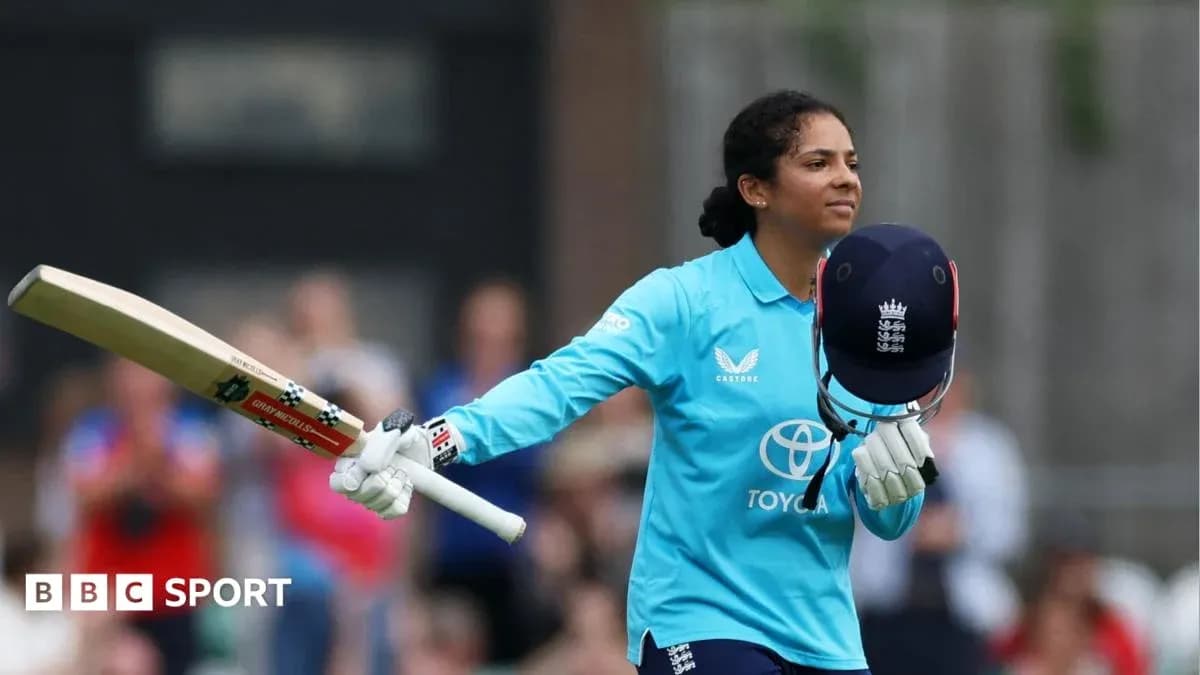
Sophia Dunkley shines with century as England defeats Ireland
On a grey Worcester afternoon that needed a bit of light, Sophia Dunkley supplied it in full glare.
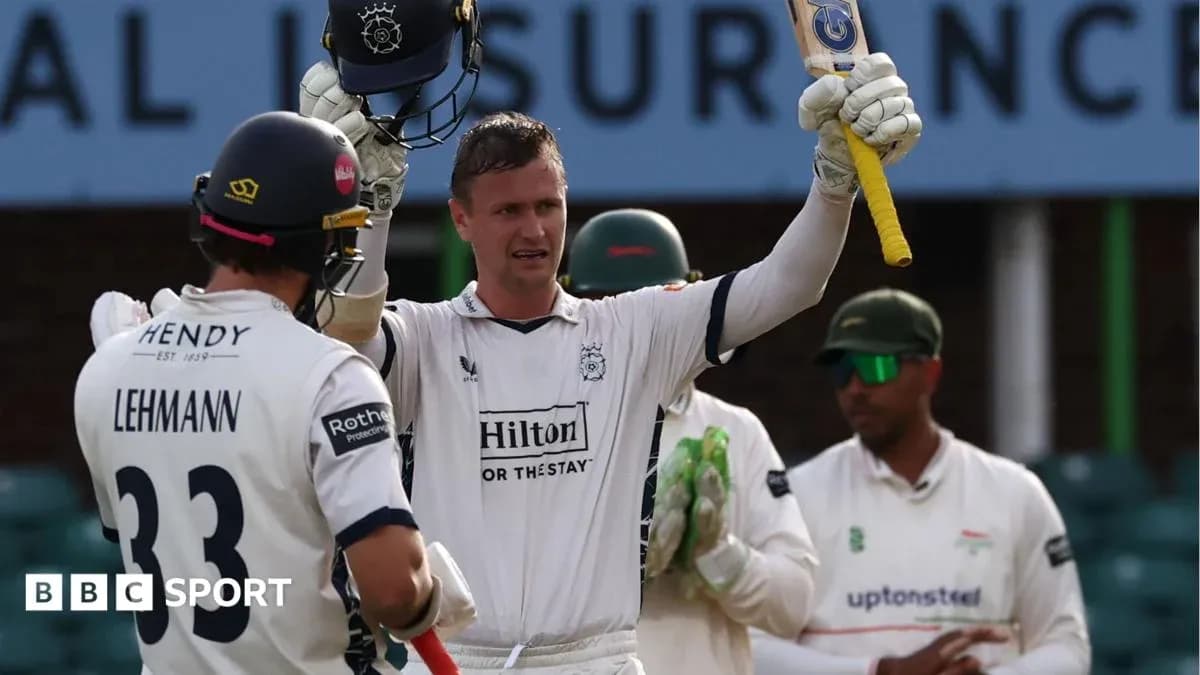
Her run-a-ball 119 at New Road powered England to 291 and set up a thumping 114‑run victory over Ireland, sealing a 3-0 ODI sweep and closing the international summer with a statement rather than a sigh.
Dunkley dominates, then the wobble
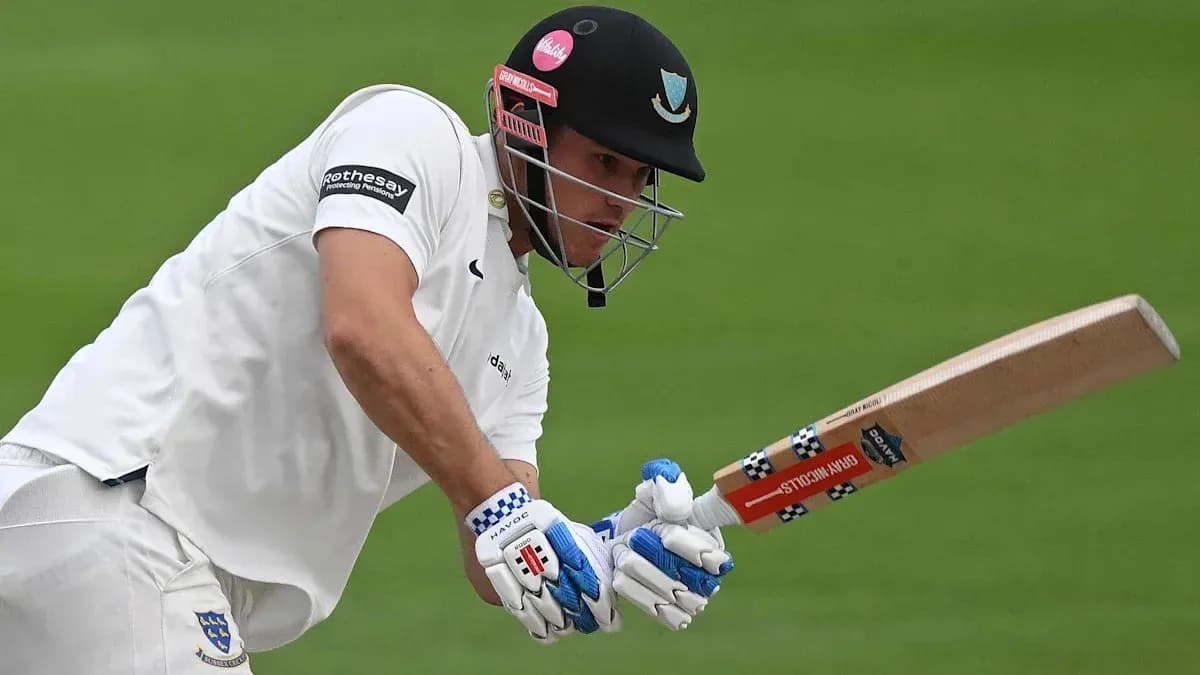
From the moment Dunkley punched her first boundary through the off side, Ireland were chasing shadows. She opened with Maia Bouchier, who has quietly turned this series into a personal breakthrough. The pair added 73 for the first wicket, Bouchier compiling a busy, confident 39 that kept England moving at a healthy tempo.
Dunkley, though, owned the innings.
She controlled the chase for runs, never rushed, never bogged down. A run-a-ball hundred in one-day cricket tells its own story: she rotated strike, punished anything short, and drove straight with authority. This was only her second international century, but it had the assurance of a player who now expects to be the main act, not the support.
Jodi Grewcock threatened to match her. Promoted opportunity in hand, she moved to 35 with clean strokes before falling to a sharp caught-and-bowled, a tame end to a promising stay. Alice Capsey’s dismissal hurt more. Backing up, stranded by a deflection, run out for 10 through no fault of her own. England were 200-plus and cruising, but the rhythm jolted.
Still, with Dunkley set and all-rounders to come, 300 looked a formality. Freya Kemp and Dani Gibson both arrived with intent. Kemp struck cleanly in a brisk 23, eyeing the stands at long-on once too often. Her dismissal, caught on the rope, flipped the mood.
The collapse was sudden and messy. From 260-4, England lost their last six wickets for 31 runs, bowled out in 48.5 overs with seven balls left unused. Single-figure scores stacked up in the lower order as Ireland, through sheer persistence, clawed their way back.
Gibson was the exception. She held her nerve amid the tumble, carving an ODI-best 41 and ensuring Dunkley’s work did not go to waste.
Murray leads Ireland’s fightback
Cara Murray deserved every bit of the applause she received walking off. The leg-spinner read the surface and the batters superbly, finishing with 4-56 and turning what could have been a record-breaking onslaught into something more manageable.
Once Dunkley fell in the 36th over, England’s boundary count almost vanished. Just seven fours came after her departure as Murray and her colleagues dragged the scoring rate down and forced errors. For a side under siege for much of the series, Ireland finally landed some blows.
They walked off knowing 291 was still imposing, but not impossible.
That hope did not last long.
Filer and Villiers slam the door
With the ball in hand, England made sure any lingering jeopardy evaporated quickly. There was no looseness, no hangover from the batting collapse. Just discipline and hostility.
Lauren Filer hit her straps early. Her pace and bounce unsettled Ireland’s top order, and she ripped through with figures of 3-27 that underlined the gap between the sides when conditions offered even a hint of assistance.
At the other end, Mady Villiers went to work. The off-spinner probed away, changing pace, nagging at the stumps and pads. She, too, finished with three wickets, and between them the pair broke Ireland’s chase into fragments.
Amy Hunter tried to hold it together. Her 39 from 58 balls was the closest thing Ireland had to an anchor, but she could never break free. Not one Irish batter managed a strike-rate above 100, and as the overs ticked by the required rate drifted out of reach. Risk increased, mistakes followed, and the innings never threatened to ignite.
Ireland were bowled out for 177 in 44.2 overs. The margin – 114 runs – reflected the pattern of the series: flashes of resistance, but no sustained challenge.
Summer closed, eyes on February
For Charlie Dean, captaining a side that has rotated and experimented, a 3-0 sweep is the kind of clean ledger coaches love. Dunkley’s hundred, Bouchier’s form, Gibson’s growth with bat in hand, Filer’s cutting edge, Villiers’ control – there were ticks in all the right boxes.
This was the final act of England’s international summer. The next confirmed assignment lies in February at the Champions Trophy, with a multi-format series against West Indies and three ODIs against Sri Lanka pencilled in for the autumn, dates still to be pinned down.
If this performance is the last snapshot selectors see for a while, it is a sharp one: a top order capable of dominating, a middle order still learning how to close, and a bowling attack that, when switched on, turns chases into non-contests.
The question now is simple: can this version of England, ruthless in patches and increasingly sure of its identity, carry today’s authority onto the global stage when February comes?