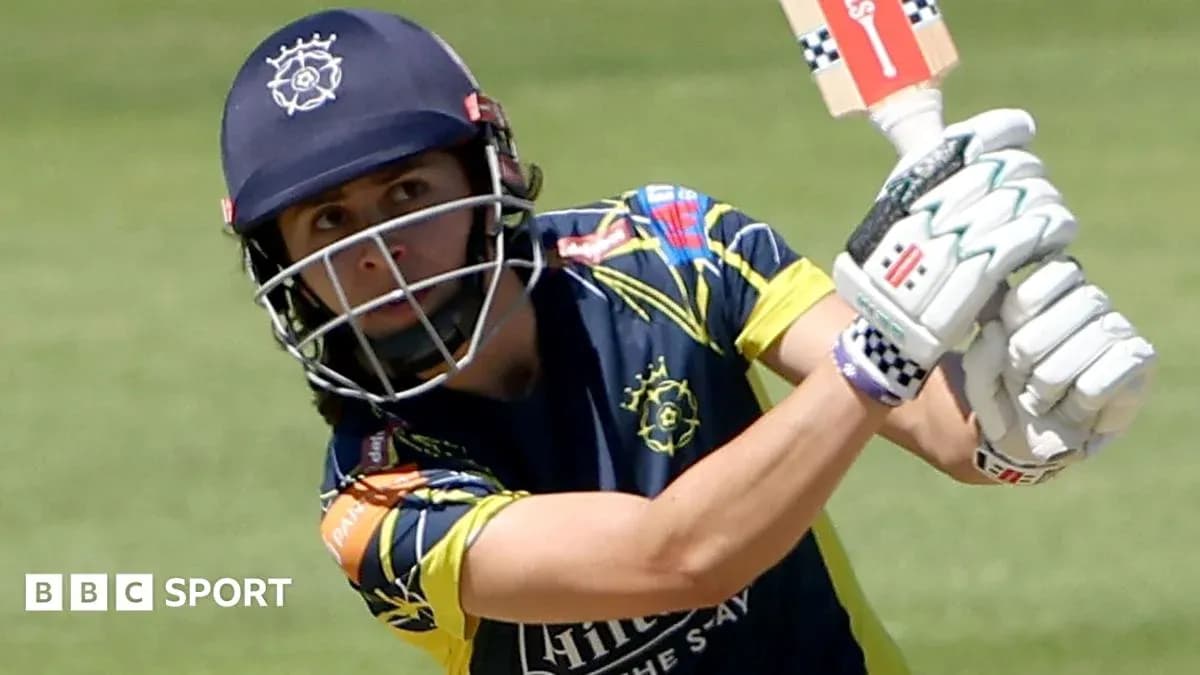
Sophia Dunkley seals England summer with century and series sweep
On a grey Worcester afternoon, Sophia Dunkley lit up New Road with the kind of innings that changes conversations, not just scorecards.
Her run-a-ball 119 underpinned England’s 291 all out and powered a 114-run win over Ireland in the third ODI, sealing a 3-0 series sweep for Charlie Dean’s side and closing the international summer with a statement, if not quite a spectacle.
Dunkley grabs her moment
This has been a curious series for England. No Lauren Bell, no Sophie Ecclestone, no Nat Sciver-Brunt. A second-string feel on paper, but a clear brief in reality: find answers, especially at the top of the order, before the calendar tightens and the opposition gets a lot nastier.
Dunkley took that brief personally.
After 73 at Leicester and a promising start at Derby that ended in a mix-up with Maia Bouchier, the 28-year-old walked out at New Road looking like a player who knew she was running out of chances to turn form into something more permanent. By the time she walked off, caught brilliantly by Orla Prendergast at deep square leg, she had done exactly that.
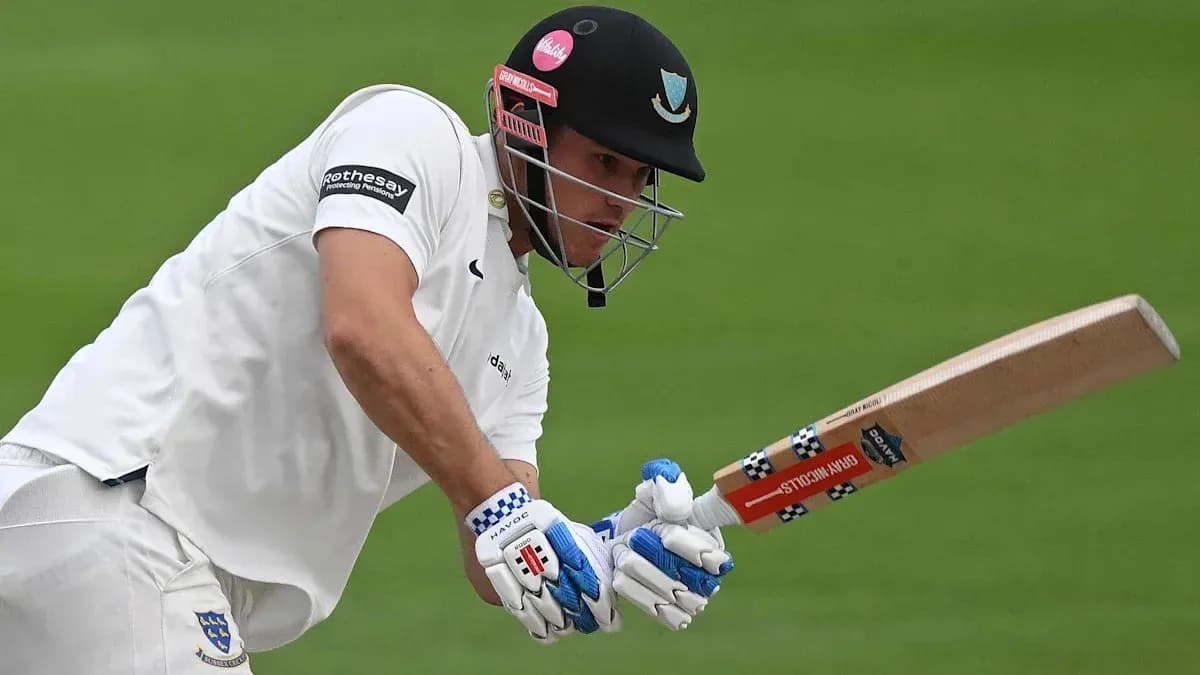
Her century was not a blur of early aggression. It was a slow burn, then a blaze. Bouchier, in the form of her life, dominated the early scoring in a 73-run opening stand, leaving Dunkley to tick along, reach fifty from 63 balls and absorb Ireland’s probing lines.
Then the gears shifted. The next fifty took just 37 deliveries. The bat swing grew freer, the feet lighter. The innings, once measured, became commanding.
What stood out was not just the tempo but the method. Dunkley, long tagged as a leg-side hitter, scored almost evenly on both sides of the wicket. She drove crisply through the off, cut with authority, and when Ireland tried the short ball and stacked sweepers, she picked her gaps and ran hard. It was controlled, modern ODI batting, not just a purple patch.
Her dismissal in the 36th over, hauling a short ball to Prendergast on the rope, ended the show but not the impression. On a day England needed clarity at the top, Dunkley delivered it.
Support acts and a late stumble
Around her, the supporting roles flickered without quite taking over.
Bouchier’s 39 continued her own compelling audition as Tammy Beaumont’s long-term replacement. She was busy, positive, and again looked every inch an international opener. Jodi Grewcock, another of this series’ experiments, made 35 before falling to a sharp caught-and-bowled, another promising start that stopped just when it needed to stretch.
Alice Capsey’s 10 came to a cruel end, run out backing up. It was the kind of dismissal that irritates teams and coaches, but not one that will define her place; England still have a live debate about whether she or Amy Jones wears the gloves when the bigger contests arrive.
At 260-4, with Freya Kemp and Dani Gibson at the crease and overs in hand, 300 looked inevitable and 320 realistic. Then the innings sagged.
Kemp’s dismissal, caught at long-on for 23, triggered a collapse. From there, England lost six wickets for 31 runs, bowled out for 291 with seven balls unused. Single-figure scores piled up as Ireland, through sheer persistence and a fine spell from leg-spinner Cara Murray, clawed back respectability.
Murray’s 4-56 gave the visitors a genuine foothold in a game that had threatened to run away from them. After Dunkley’s exit, England managed only seven boundaries. The acceleration stalled, the finish spluttered.
But the damage had already been done.
Ireland outgunned as England’s bowlers share the spoils
Chasing 292, Ireland never looked close.
The pitch did not misbehave. The outfield did not slow. The problem was simpler: England’s attack, even without its biggest names, had too much depth and too many options.
Amy Hunter top-scored with 39, battling hard to anchor the reply. She stayed long enough to quieten the early nerves but never quite long enough to threaten the equation. No one in green managed to score at better than a run a ball, and as the overs ticked by, the required rate grew like a shadow they couldn’t shake.
Mady Villiers and Lauren Filer shared the honours, three wickets apiece, and between them they stripped away any hope of a counterpunch. Filer, with her pace and bounce, hurried batters and forced mistakes. Villiers, with craft and control, squeezed the middle overs and made risk feel unavoidable.
Ireland were bowled out for 177 in 44.2 overs. The margin – 114 runs – told the story: this was another mismatch between bat and ball, another day when England’s second string still looked a level above.
Answers found, bigger tests ahead
Strip away the scoreline and this series has been about something more nuanced for England: preparation without proper context.
They have barely any 50-over cricket on the horizon. The autumn schedule remains unconfirmed, and their next home ODI will not arrive until the Ashes next summer. In between sits the Champions Trophy in February and a planned multi-format series against West Indies, plus three ODIs against Sri Lanka, all waiting for dates.
That stop-start reality has forced England into a strange balancing act – experiment with personnel while trying to build stability in a format they rarely play.
One question, at least, looks closer to an answer. With Beaumont retired from ODIs, the opening partnership needed a new identity. Across this series, Dunkley and Bouchier have made a compelling case to own it. Each has a century to show, and more importantly, a style that appears to complement the other.
No one inside the dressing room will pretend that runs against Ireland automatically translate to runs against Australia. The gulf in quality is obvious. But teams can only face what the fixture list offers, and within that narrow frame, England’s new opening pair have done everything asked of them.
Further down the order, decisions remain. Sciver-Brunt will walk back in at three. Capsey versus Jones with the gloves is a live debate. Young all-rounders like Kemp and Gibson have shown enough to stay in the conversation, even if their cameos in Worcester did not quite explode as hoped.
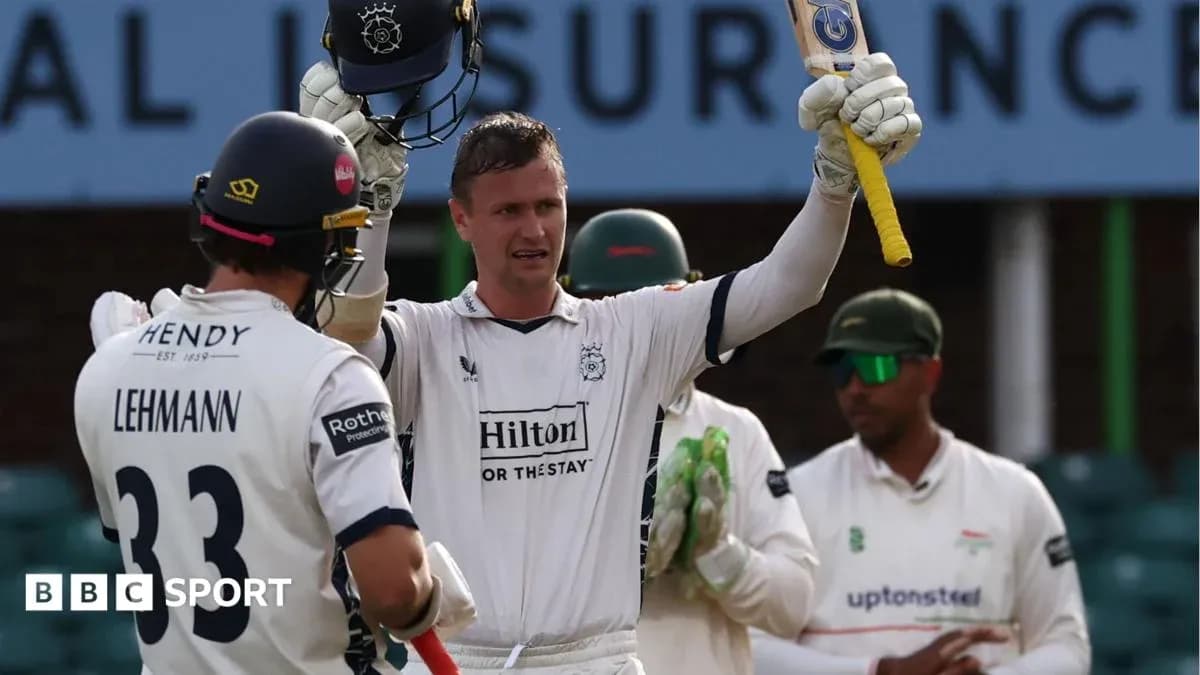
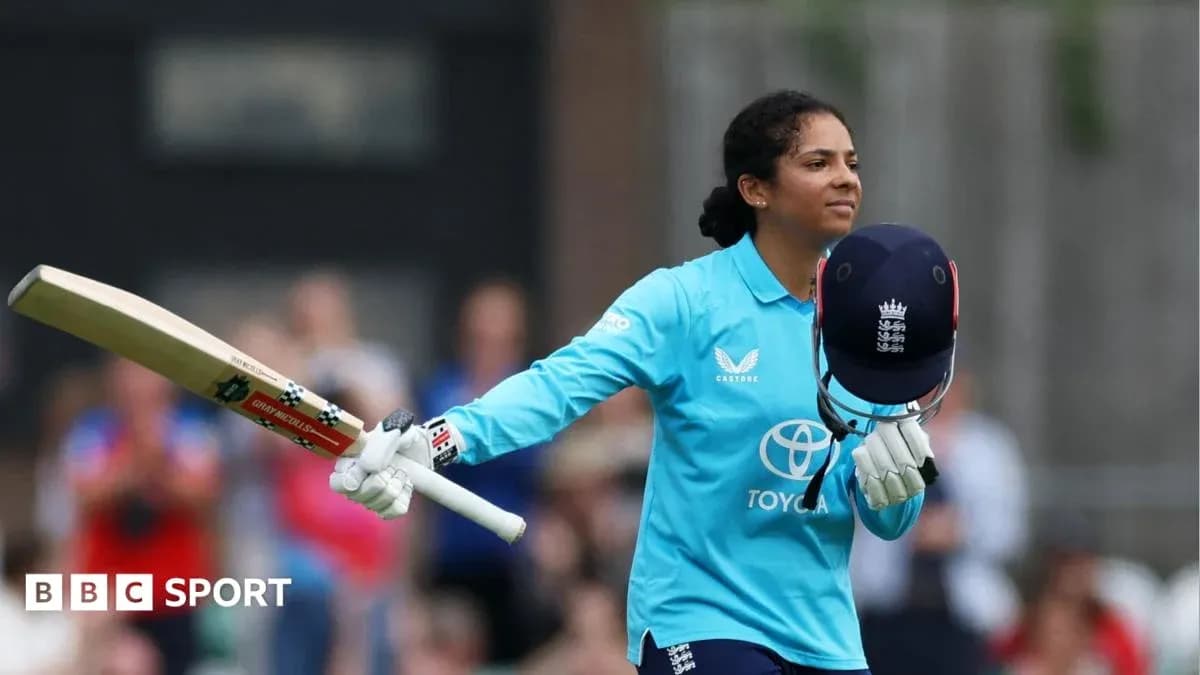
For now, though, the image that lingers from New Road is simple: Dunkley, bat raised, helmet off, soaking in a century that felt both overdue and perfectly timed.
England’s summer is over. The real question is whether this new-look top order will still be standing, and still scoring, when the Ashes roll back into town.