Team USA Dominates Group Stage at 2026 FIBA Women’s World Cup
Team USA rolls into the break in Berlin looking exactly like what the bookmakers say they are: the team to beat, again.
Three games. Three wins. Three statements.
On Monday, the Americans crushed Czechia 105-64 to close out Group D at 3-0, sealing top spot and stretching their World Cup winning streak to a staggering 33 games, a run that started back in 2006. This wasn’t just a routine group win. It was a reminder that when the World Cup shifts from pool play to knockout tension, the United States usually arrives with the volume already turned up.
Now they wait.
USA in cruise control, but not on autopilot
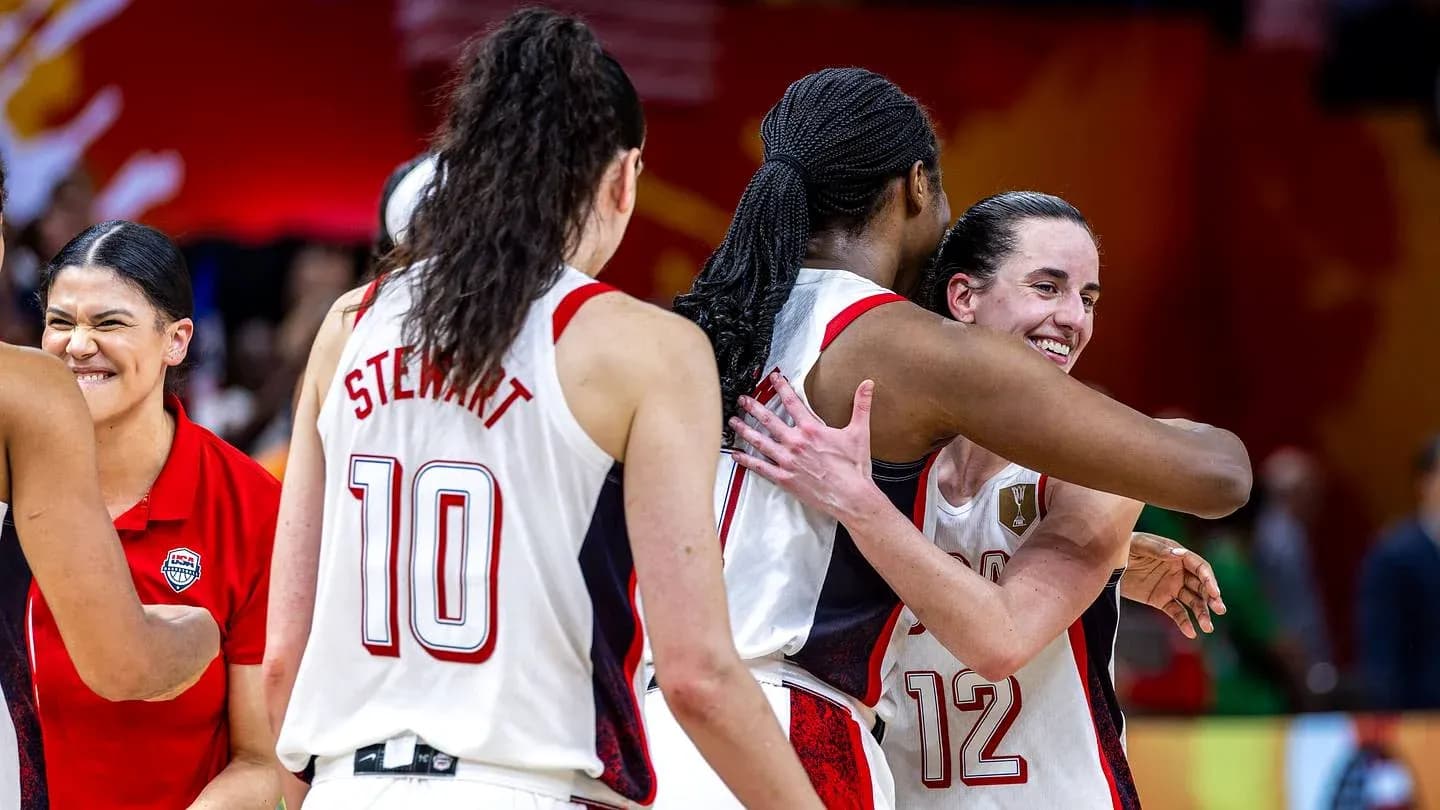
The 41-point demolition of Czechia in Berlin underlined the depth and balance of this roster more than any single star turn. Breanna Stewart, in her fourth World Cup, is not chasing gaudy numbers. She’s anchoring the whole thing. Through three games she’s averaging 10.3 points and 8.3 rebounds, the steady heartbeat of a team that rarely loses its rhythm.
Jackie Young has been the leading scorer so far at 11.3 points per game, but the real story of this group stage has been the spread of responsibility. The Americans are not leaning on one player to drag them through tight spots. They’re smothering opponents in waves.
Caitlin Clark has slipped seamlessly into the role Kara Lawson has carved out for her: primary organizer, tempo setter, the guard who makes sure all that talent actually connects.
“(Caitlin) provides a great playmaking aspect to her game on our team,” Lawson said. “We rely on her at the point guard position when she's in, to run the team. We saw that in the first game when she had 11 assists and zero turnovers.”
So far, Clark leads the team at 6.3 assists per game, the engine behind an offense that just dropped 105 in a World Cup closer. Paige Bueckers has been the top shot-blocker at 1.3 per game, Rhyne Howard the top ballhawk with 1.7 steals, more proof that the young core isn’t just along for the ride.
Lawson knows it, and she’s not hiding how important these early games are for that group.
“She's another young player that's feeling her way through her first World Cup, you know? And she's really motivated and wanting to help our team win. And I think that's a great place to be. And I think all of our young players will take a lot from these three pool play games, give them a lot of confidence as we go into the middle round.”
The message is clear: the veterans set the standard, but the ceiling of this team might be defined by how quickly the next generation grows up.
Bracket time: win or go home
The warm-up is over. With the group stage done, the tournament has flipped into a 12-team, straight-elimination gauntlet. Every game from here is simple: survive or pack your bags.
The United States, as Group D winners, will face the winner of Hungary vs. Japan in the quarterfinals on Sept. 10. That qualifier, along with the rest of the middle round, starts Tuesday, Sept. 8, in Berlin.
Here’s how the bracket is set after group play:
- From Group A:
- Japan
- Spain
- Germany
- From Group B:
- Hungary
- South Korea
- France
- From Group C:
- Belgium
- Australia
- Puerto Rico
- From Group D:
- United States
- Italy
- China
The middle-round matchups are split over two days:
Tuesday, Sept. 8
- Hungary vs. Japan, 11:45 a.m. ET (winner faces the United States)
- Germany vs. South Korea, 2:45 p.m. ET (winner faces Belgium)
Wednesday, Sept. 9
- Puerto Rico vs. China, 11:45 a.m. ET (winner faces France)
- Italy vs. Australia, 2:45 p.m. ET (winner faces Spain)
From there, the quarterfinals land on Sept. 10, the semifinals on Sept. 12, and the championship and bronze medal game on Sept. 13. One bad night now erases all the good work of the past week.
The field is chasing one giant
The odds board tells the story before the ball even goes up.
At BetMGM, Team USA sits alone with minus-odds to win the 2026 FIBA Women’s World Cup: the United States at -500, a massive favorite in a field that includes serious contenders but no true equal on paper.
The chasing pack lines up like this:
- France +600
- Belgium +1400
- Spain +2000
- Australia +2800
- China +6600
- Germany +6600
- Italy +6600
- Japan +20000
- South Korea +20000
- Puerto Rico +20000
- Hungary +20000
France, Belgium, Australia, and Spain carry the most weight as potential spoilers. Each has enough talent and experience to punish any American slip in a one-off game. But the gap in expectation is undeniable. The United States isn’t just expected to win. It’s expected to dominate.
Berlin at the center of the women’s game
All of it plays out in Berlin, Germany, the heartbeat of this World Cup and the stage for the sport’s current superpower.
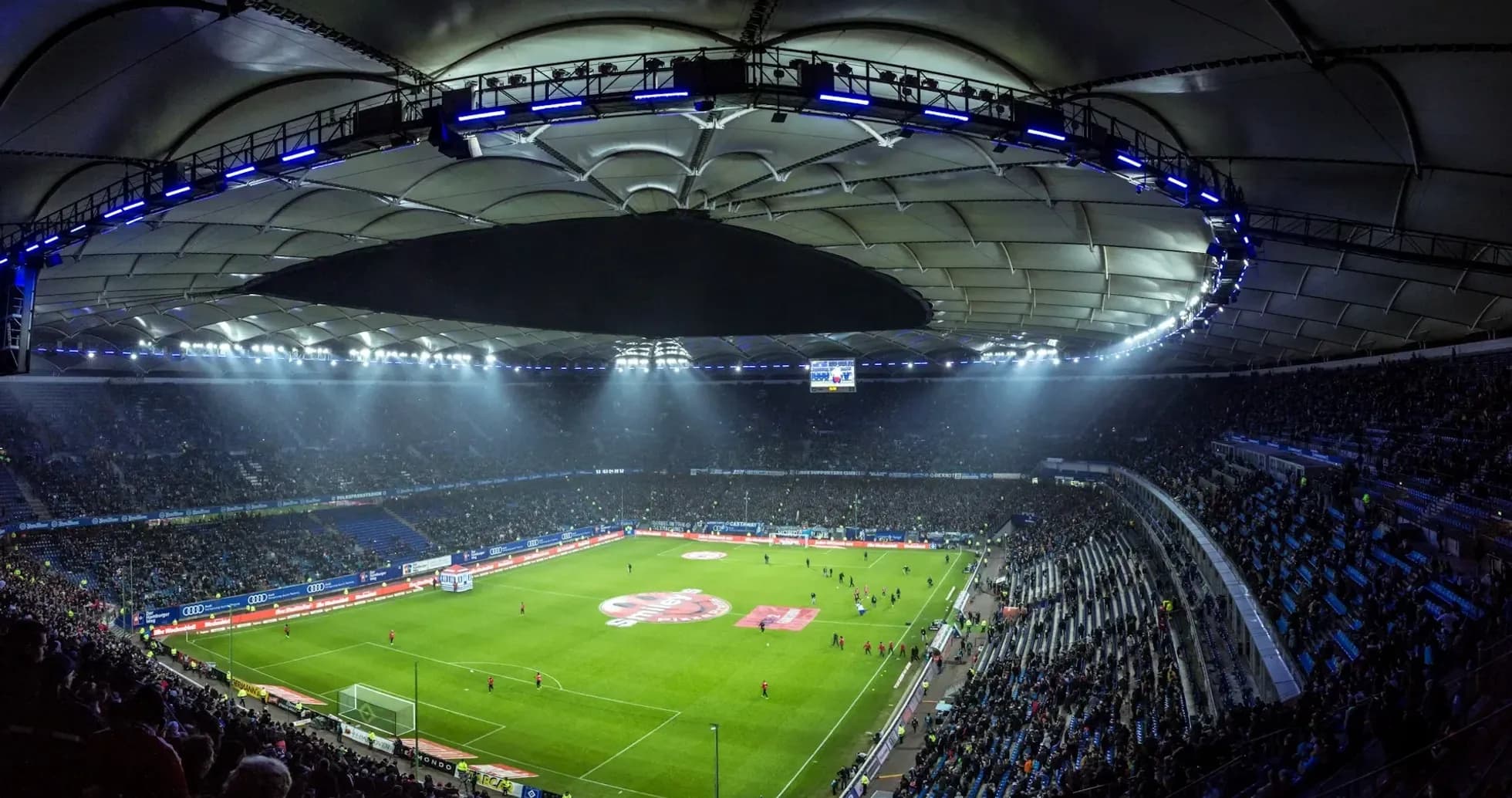
The 2026 FIBA Women’s World Cup is being held at two venues: Berlin Arena and Max-Schmeling-Halle. Both buildings host group-stage games, but once the stakes rise and the knockout rounds begin, everything moves into Berlin Arena. That’s where the medals will be decided, where this American team will either extend its era or watch someone else cut the nets.
For now, Team USA has a short breather and a clear path: handle the winner of Hungary vs. Japan, keep the streak alive, and push toward another final in a city that has already seen them at their ruthless best.
The only real question left is whether anyone in this field can force them out of cruise control.