Tennis' New Challenge: Balancing Influencer Culture at the US Open
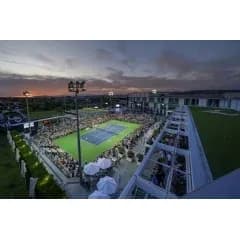
Arthur Ashe Stadium fell quiet for a moment this week, and it had nothing to do with a blistering winner or a disputed line call.
Naomi Osaka was locked in a first‑round fight with Anastasia Zakharova at the 2026 US Open when the chair umpire suddenly cut through the noise.
"Guys, please, in the suite behind me ... please take your seat," came the announcement.
Not a code violation. A crowd violation.
The flashpoint captured a growing tension at Flushing Meadows: tennis’ most boisterous Grand Slam is learning how to live with a new kind of fan — the influencer, the content creator, the person who comes armed not just with a ticket, but with a ring light.
During Osaka’s win over Zakharova, one clip raced around social media showing a group of spectators filming what looked like a TikTok video during the second set. Another angle from the same match showed a fan using a selfie light to snap photos while points were being played. The images struck a nerve in a sport that still clings to its codes of silence and respect between the lines.
Osaka, back in New York and winning again, understands the trade‑off better than most.
The four‑time Grand Slam champion knows what visibility can do for tennis, and she didn’t dismiss the new wave of attention.
The exposure influencers can bring, she said, "could be a good thing ... to make the sport of tennis popular." She wants people to discover the game, to fall in love with it, to talk about it beyond the usual hardcore base.
But she drew a firm line on how that should look inside a stadium.
“If you come to a sporting event, you have to respect the sport. I feel like it’s common courtesy to read up on the sport," Osaka said on Thursday, Sept. 3, after grinding through a 6-2, 5-7, 6-1 win over Katerina Siniakova. "You want people to continue to grow the sport. I just think it has to be in a way that everyone knows the rules and the etiquette.”
That word — etiquette — has long separated tennis from many other major sports. At the US Open, it now collides with a tournament that sells itself as a night out as much as a sporting event.
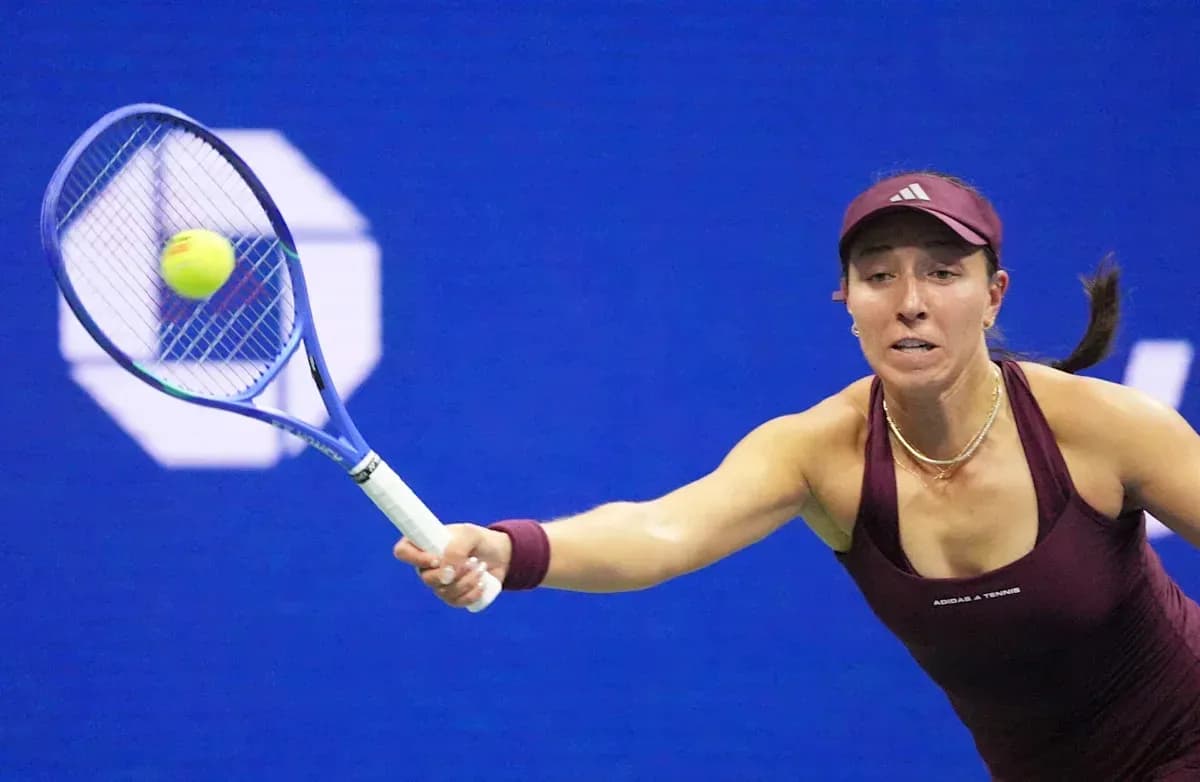
Jessica Pegula, one of the standard‑bearers of American tennis, sees both sides from close range. She knows the US Open experience is part of the draw: the $100 caviar nuggets, the Honey Deuce cocktail that has become as much a tradition as the evening session itself, the social media posts that make Flushing Meadows look like the place to be every late August and early September.
"I can appreciate the influencers coming and showcasing the US Open experience," she said, acknowledging the buzz and the business they help generate.
Then comes the but.
"But," Pegula added, "it's getting to a point where it's a bit disrespectful."
She didn’t speak in hypotheticals. She spoke about the actual scenes players now scroll past on their phones: "videos like that when they're taking pictures and using the selfie lights."
Down on court, the glow of a phone isn’t just a minor annoyance. It’s a distraction in the middle of a service motion, a return game, a career.
"People are down there trying to perform. It's their career and their job ... So I think it's gotten a little maybe too much it feels like this year," Pegula said. "I don't know. I think again, I can appreciate one side of it, but I think when you have the other side literally interrupting matches, it gets a little tough."
That’s the line the sport is trying to draw in real time: celebrate the spectacle, protect the competition.
Daniil Medvedev, a former US Open champion who thrives in the chaos of New York nights, leaned more toward the upside. He has never been shy about telling a crowd what he thinks, yet he welcomed the influx of new faces.
He called it "a lot of more upside than downside" when it comes to fresh fans and the attention they bring.
"The more the sport grows, the better it is," Medvedev said. He placed his trust in the organizers: "I trust USTA (United States Tennis Association) with what they're doing."
For Medvedev, the solution is simpler: if something crosses the line during play — a light, a phone, a commotion — players have a channel.
"For sure, if it disturbs during the play, like if you see a light or something, well, you always say it to the referee ... maybe one time they do it, then someone tells them not to do it."
That’s the balance the US Open now lives with: a stadium that doubles as a stage, a sport that needs new eyes, and athletes who still demand, and deserve, a clear view of the ball.
The ring lights will keep coming. The question, as this generation of stars keeps asking, is whether they can shine without blinding the game itself.