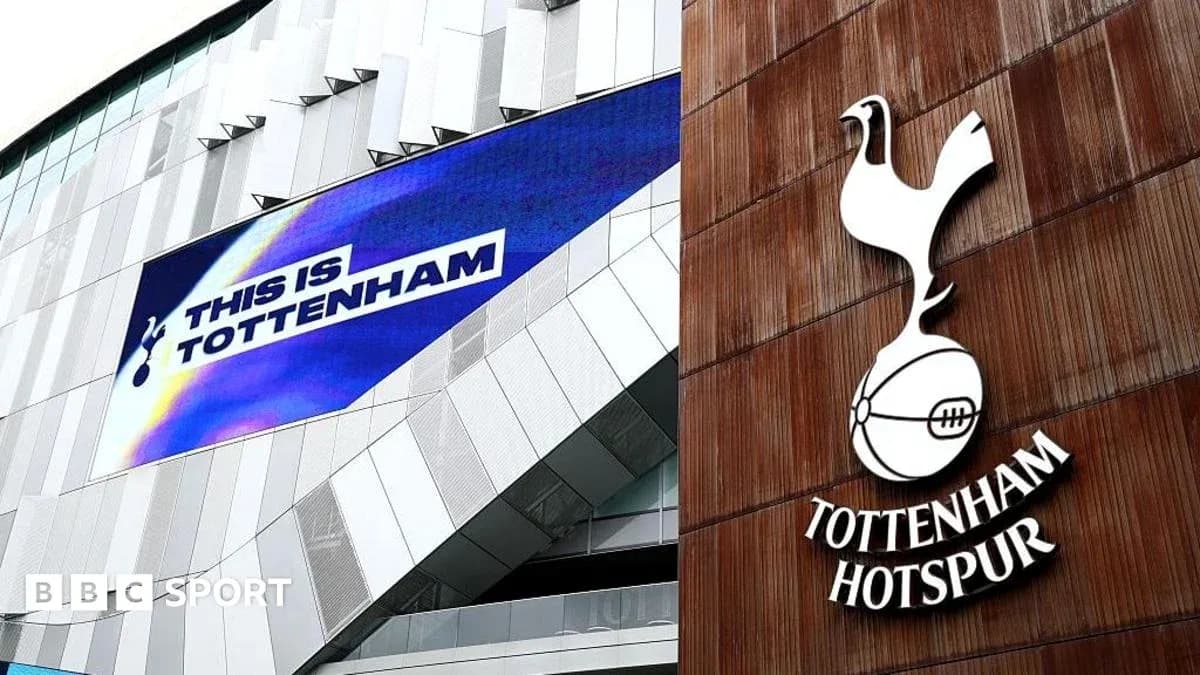
Tottenham Hotspur Stadium: The Wait for Naming Rights
For five years now, the vast steel and glass bowl on Tottenham High Road has carried a starkly simple title: Tottenham Hotspur Stadium. No airline. No bank. No crypto firm bolted onto the front.
In a league where brands loom large over bricks and mortar, it stands out. This season, eight of the 20 Premier League clubs play in grounds that double as billboards — from Arsenal’s Emirates Stadium to Manchester City’s Etihad Stadium. Tottenham, with one of the most advanced arenas in Europe, still resist the rush.
When the stadium opened in the final months of the 2018-19 season, few expected that restraint to last. The assumption was clear: enjoy the unveiling, then watch the name change once a lucrative sponsorship deal dropped into place.
It never did.
Seven years on from leaving White Hart Lane and bedding into their new north London home, the club continue to operate one of the country’s biggest multi-use venues under a brand-free badge. The stadium has become a regular stop for major concerts and the NFL, a slick, modern stage designed as much for global events as for Premier League football. Yet the naming rights remain untouched.
That is not a romantic stand against commercialisation. It is a calculated wait.
No significant progress has been made on securing a stadium sponsor, but the door is very much open. Tottenham know what the market can offer, and they know what they want from it.
“Increasing our revenues through commercial partnerships is crucial for us to be able to remain competitive while staying in the boundaries of financial rules,” a club spokesperson told BBC Sport.
The message is blunt: naming rights are not a luxury; they are part of the financial engine that must keep pace with the game’s elite.
The club view a stadium sponsor as a key piece of a broader commercial puzzle. Hosting up to 30 major non-football events each year is not just about diversifying matchday income; it is a sales pitch. Every concert, every NFL weekend, every global broadcast boosts the value of a potential naming-rights package.
That scale gives Tottenham leverage, but it also raises the bar.
“We are in a highly competitive industry alongside a number of clubs with similar ambitions,” the spokesperson added.
The landscape is crowded with teams chasing the same global brands, the same marketing budgets, the same prestige tie-ins. Tottenham’s response is to narrow the field rather than panic-buy.
They insist they will only partner with “the most-respected, renowned brands” — companies that fit the club’s values and can add to the fan experience rather than simply pay to plaster their name across the skyline. In an era where some naming deals age badly and others feel outdated almost as soon as they are signed, Spurs are trying to avoid a misstep that would be visible on every league table graphic and every TV caption for a decade.
While the headline naming rights remain unsold, the club have not stood still commercially. They have launched “The Collective”, a new sponsorship programme designed to deliver tailored activations in every stand at Tottenham Hotspur Stadium. Sports Illustrated have already signed on as the first partner in that scheme, an early move in what Spurs hope will become a layered, high-end sponsorship ecosystem built around the venue.
So the stadium keeps its plain, functional name — for now. In a league increasingly defined by how clubs squeeze every pound from every square metre, Tottenham are betting that patience, profile and a packed events calendar will eventually tempt the right brand to the table.
The question is not whether the name will change. It is how long the club are willing to wait to make sure it changes on their terms.