What Is the Value of a UFC Title Now That Pay-Per-View Is Gone?
The Changing Worth of a UFC Championship
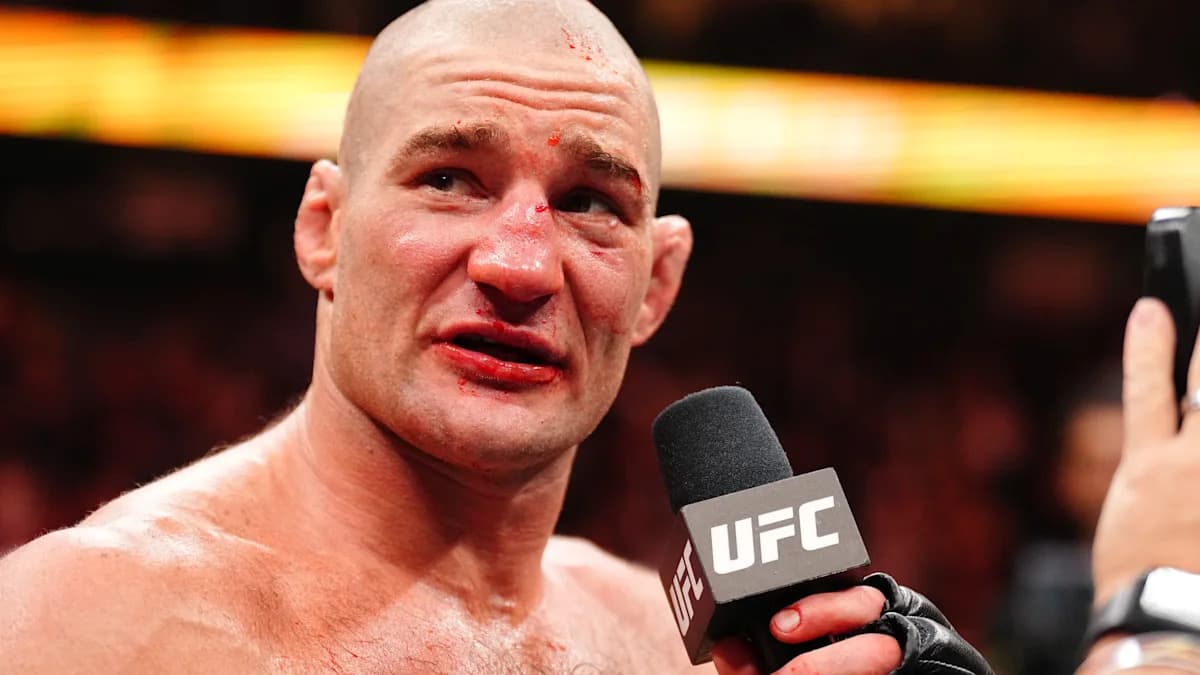
UFC champions no longer enjoy the financial windfall that came with pay-per-view (PPV) events. Fighters like middleweight champion Sean Strickland are beginning to face the reality that being a titleholder doesn’t guarantee huge earnings anymore.
Before, the path was clearer: climb the ranks, win the UFC belt, then defend it several times. The key to big money was the champion’s share of PPV revenue, which could turn good income into life-changing wealth. A popular champion would benefit even more since their events attracted higher buy rates. Without the title, fighters were mostly limited to show and win money.
Now, with pay-per-views largely gone and fans paying a modest monthly fee for Paramount+ to watch every event, the UFC’s parent company, TKO Group Holdings, earns roughly $1 billion annually from these deals. The question is how much the title still matters financially when the UFC no longer splits TV revenue with fighters.
Sean Strickland’s Situation Reflects Broader Issues
Strickland captured the middleweight belt again in May by upsetting Khamzat Chimaev. Despite this achievement, he’s reportedly unhappy with his pay and even willing to relinquish the title without defending it to exit his contract faster and become a free agent. This raises questions about what a UFC championship is truly worth today.
After speaking with several managers—many preferring anonymity due to concerns about UFC relations—a consensus emerged. The dream of massive PPV earnings had already faded before the PPV model disappeared entirely. Factors like rising ESPN+ prices, easy access to alternative viewing, and cultural shifts away from cable television all contributed to declining PPV sales. Even champions weren’t seeing significant PPV bonuses in recent years.
Financial Benefits Remain but Are Reduced
Champions still receive a pay raise in their contracts and better promotional compliance payouts. For instance, champions now get $42,000 per fight just for fulfilling fight week duties and wearing official gear, while challengers receive $32,000. Non-title fighters with many bouts cap out at $21,000 for these payments.
Outside the octagon, titleholders often gain more opportunities for sponsorships, seminars, and fan events, increasing their overall income. Although this additional money rarely transforms their lives, it does provide a meaningful boost.
One manager explained that while the financial gap between champions and contenders has shrunk, the champion’s pay is now more predictable. Fighters can count on steady earnings without chasing uncertain PPV bonuses that may never materialize. Still, knowing exactly what you’ll make might be disappointing if it feels capped and unchangeable regardless of effort or popularity.
New Reality for Champions
In the past, champions might have imagined nearly limitless earnings tied to event success. That "eat what you kill" idea was more plausible then. Today, with no need to sell each event individually, the UFC has less motivation to enhance card quality or negotiate with fighters to keep them happy.
UFC 332 showed this shift clearly. The promotion makes the same revenue whether a star fights or not. If a champion like Strickland sits out too long, the UFC can strip the belt and have other contenders battle for the vacant title. Longtime champs such as Valentina Shevchenko have also felt how easily the UFC can move on from established champions.
The old era where PPV success translated into big payouts is over. UFC champions now face a fixed, more modest financial reality. This brings clarity but also frustration for many who once dreamed of vast riches tied to their belts.