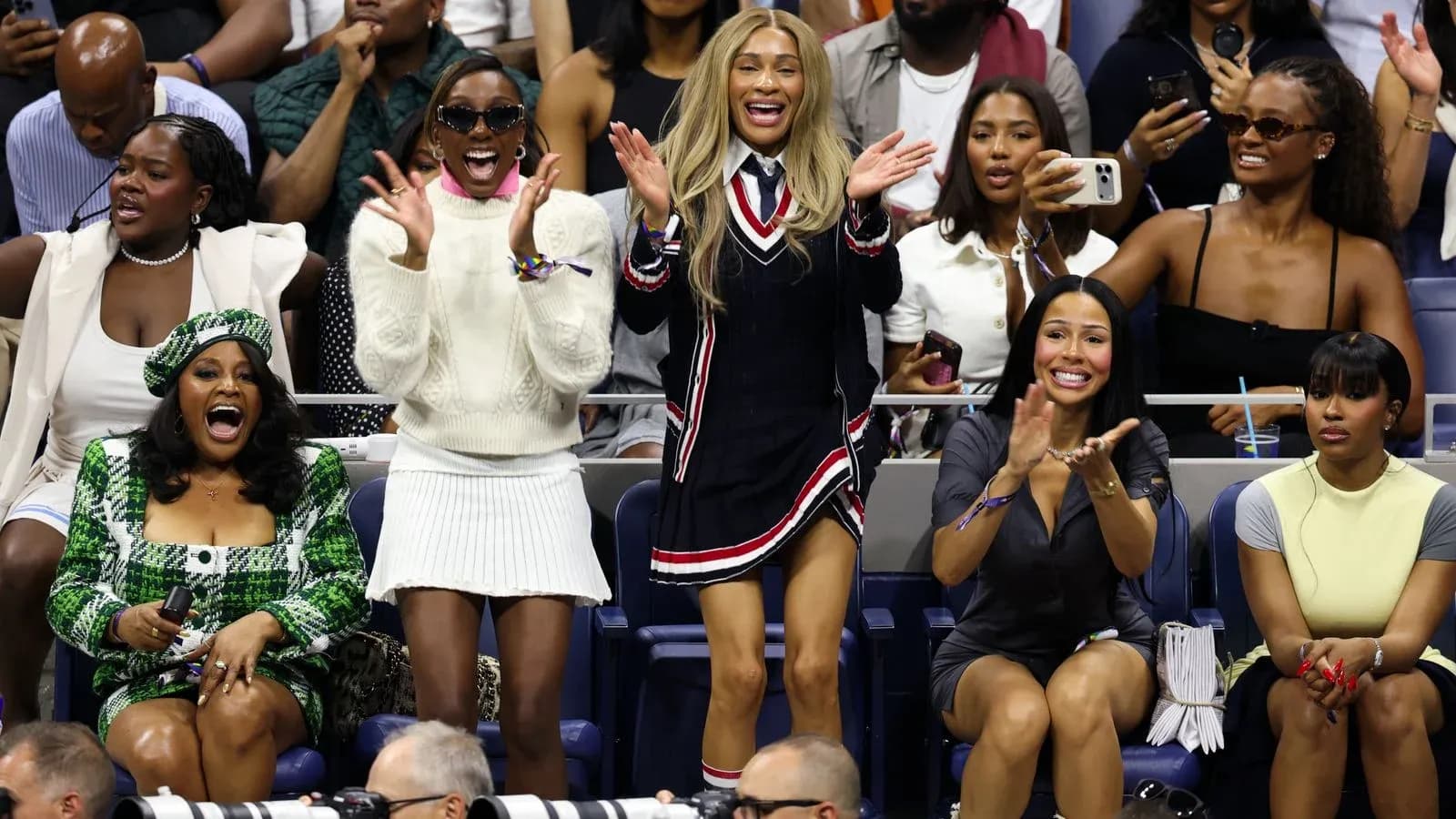
US Open 2023: Influencer Culture Meets Tennis Etiquette
At Flushing Meadows this year, the soundtrack of the US Open has changed. The pop of the ball and the murmur of the crowd now share space with ring lights, selfie angles and mid-rally filming. Tennis, the sport that guards its etiquette as tightly as its lines, is colliding head-on with the influencer era.
The numbers tell you why. The tournament has doubled the number of accredited content creators from last year, a deliberate move by organisers to chase new audiences and fresh eyeballs. The result has been a rush of creators into suites and courtside seats, phones up, cameras rolling.
The players have felt it.
During one match, chair umpire Kader Nouni turned his attention away from the baseline and up to a suite, firmly admonishing a group of influencers who were recording a video in the middle of a point. On another court, a creator’s bright portable ring light cut through the night, drawing as many glares as a mistimed shout.
The tension has been building all week. In Naomi Osaka’s second-round win, chair umpire Marijana Veljovic repeatedly asked fans to quieten down, trying to restore the thin layer of silence players rely on between serve toss and contact.
Osaka, a two-time US Open champion and one of the sport’s most recognisable faces, did not dance around the subject.
“I think obviously if you come to a sporting event, you have to respect the sport,” she said. “I feel like it’s common courtesy to read up on the sport, especially the etiquette.”
That word keeps coming back: etiquette.
This year, the US Open has made a significant change to how fans move. A new policy of free fan movement means spectators no longer have to wait until changeovers to take their seats. The idea is to make the event feel more open, more like a festival. The side effect has been more movement, more noise, more distractions during play.
Since Osaka’s opening match, tournament organisers have ramped up the messaging inside the stadiums. Screens now flash reminders urging fans to avoid anything that could disrupt the game: loud chatter, flash photography, ring lights. The US Open wants the buzz, not the chaos.
Some players feel the line has already been crossed.
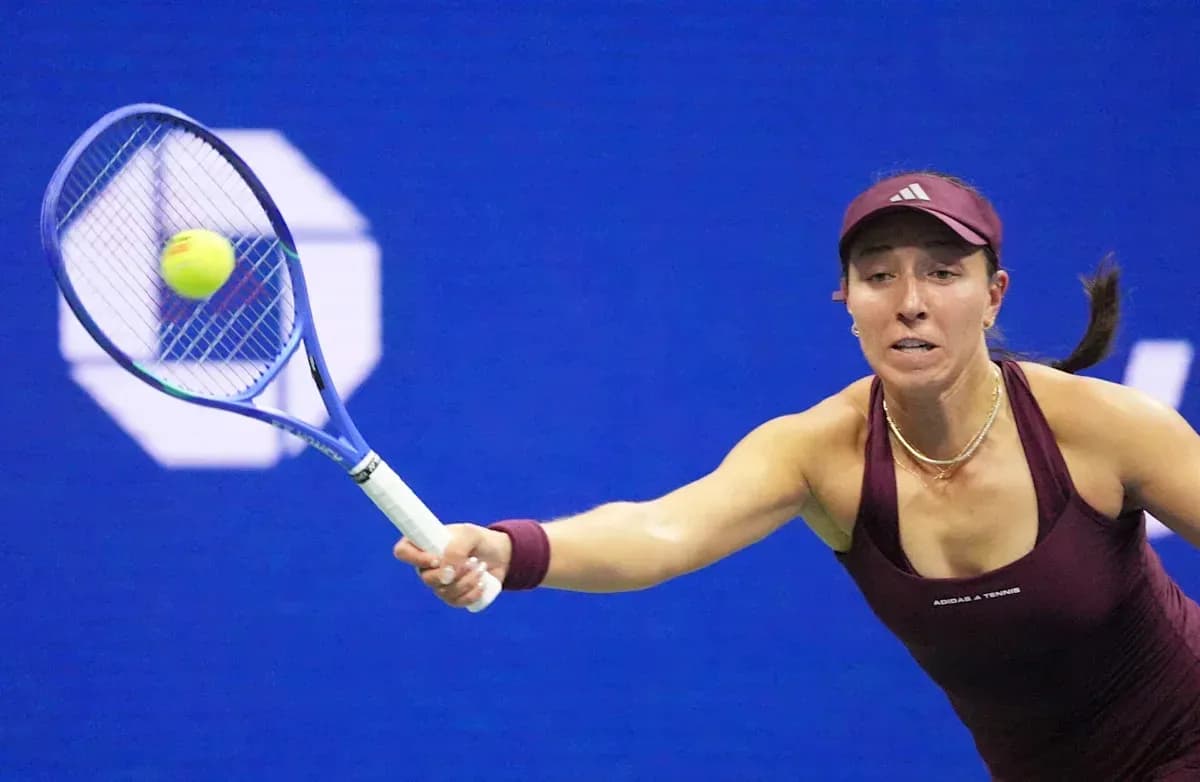
American third seed Jessica Pegula did not hide her frustration.
“I can appreciate the influencers coming and showcasing the US Open experience,” she said. “But I do think that it’s tough when you see videos when they’re taking pictures and using the selfie lights.
“People are down there trying to perform. It’s their career and their job. It seems a bit disrespectful.”
For years, celebrity has been part of the show in New York. A-list actors, musicians, politicians and billionaires have paraded through the stands, from Hollywood royalty to former US President Donald Trump. Big names and big money are nothing new here.
What is new is the sheer volume and behaviour of a different kind of star: the influencer, whose currency is content and whose office is wherever the camera points. The growing love affair between social media creators and America’s premier tennis event is bringing reach and relevance, but also friction.
World No 4 Coco Gauff sits at the heart of this shift. Young, charismatic and deeply online, she understands the value of new audiences. She welcomes them. With conditions.
“I definitely think it’s cool to have a new demographic and I definitely think it helps grow the sport,” she said.
Then she offered a simple analogy.
“But if you’re being invited to a red carpet, you wouldn’t show up in jeans.
“I think it’s just follow the etiquette of the sport.”
That is the crux of the debate. Tennis wants to grow. The US Open wants to feel modern, global, shareable. But the sport is built on certain norms: quiet during points, respect for the players’ workspace, an understanding that the court is not a backdrop for someone else’s personal brand.
Not every influencer is treating it that way.
Eliza Wastcoat is one of the exceptions. She is a creator who actually comes from inside the game. A former Wimbledon ball kid, she moved to the United States to attend Lehigh University and later worked at a creative agency. Her content now explores the intersection of tennis and fashion, blending aesthetics with genuine knowledge of the sport.
Wastcoat believes there is a path where both sides win — if it is handled with care.
“There is a space in tennis for influencers and content creators to be welcomed into the sport and reach new audiences,” she said, “but I think there’s ways in which the sport can do that which includes content creators and influencers who appreciate the sport itself and the etiquette of it and for those who are maybe new and are bringing new audiences in.”
Her point is clear: the responsibility does not sit solely with the fans holding phones. It runs through the entire ecosystem.
“I do think it’s the responsibility of both the brands, the tournaments and the individuals coming to read up a little bit and understand the etiquette of the type of sporting event they’re going to,” she said.
In her view, tennis has “really opened up its doors to change,” but the fundamentals cannot be sacrificed.
“Ultimately players need some quiet and the ability to concentrate.
“We all want tennis to grow so inviting people in and making it an all-round experience is great for the game, so it’s just an opportunity to further educate people about the game on what tennis is.”
Inside the USTA, there is an acceptance that this is new territory. The governing body wanted to create a more immersive, fan-friendly environment, and it has. Now it is wrestling with the consequences.
In a statement, the USTA said it wanted fans to have an “incredible time” while ensuring they did not interfere with the action. It stressed that it is “continually looking for ways to ensure fans in the stands know what is permitted and what is prohibited.”
In other words, this is a live experiment.
Wastcoat sees it that way too.
“It’s also a learning curve for the USTA,” she said. “What’s the balance of how many credentials or tickets do we give to folks who are new, or how many do we give to creators who know and appreciate the sport? It’s trying to find that balance.”
The demand is not going away. Experiences like this year’s Open show that tennis is cutting through in new spaces. More people want to be inside the gates. More brands want to attach themselves to the game. The commercial opportunity is bigger than ever.
“Experiences like this show that tennis is increasing in popularity so in the end more people are going to be a part of it,” Wastcoat said. “There’s more opportunity with brands than there ever has been and I expect that to continue.”
The question now is simple, and anything but easy: can the US Open stay the loudest, liveliest Slam on the calendar without drowning out the one thing that matters most — the tennis itself?