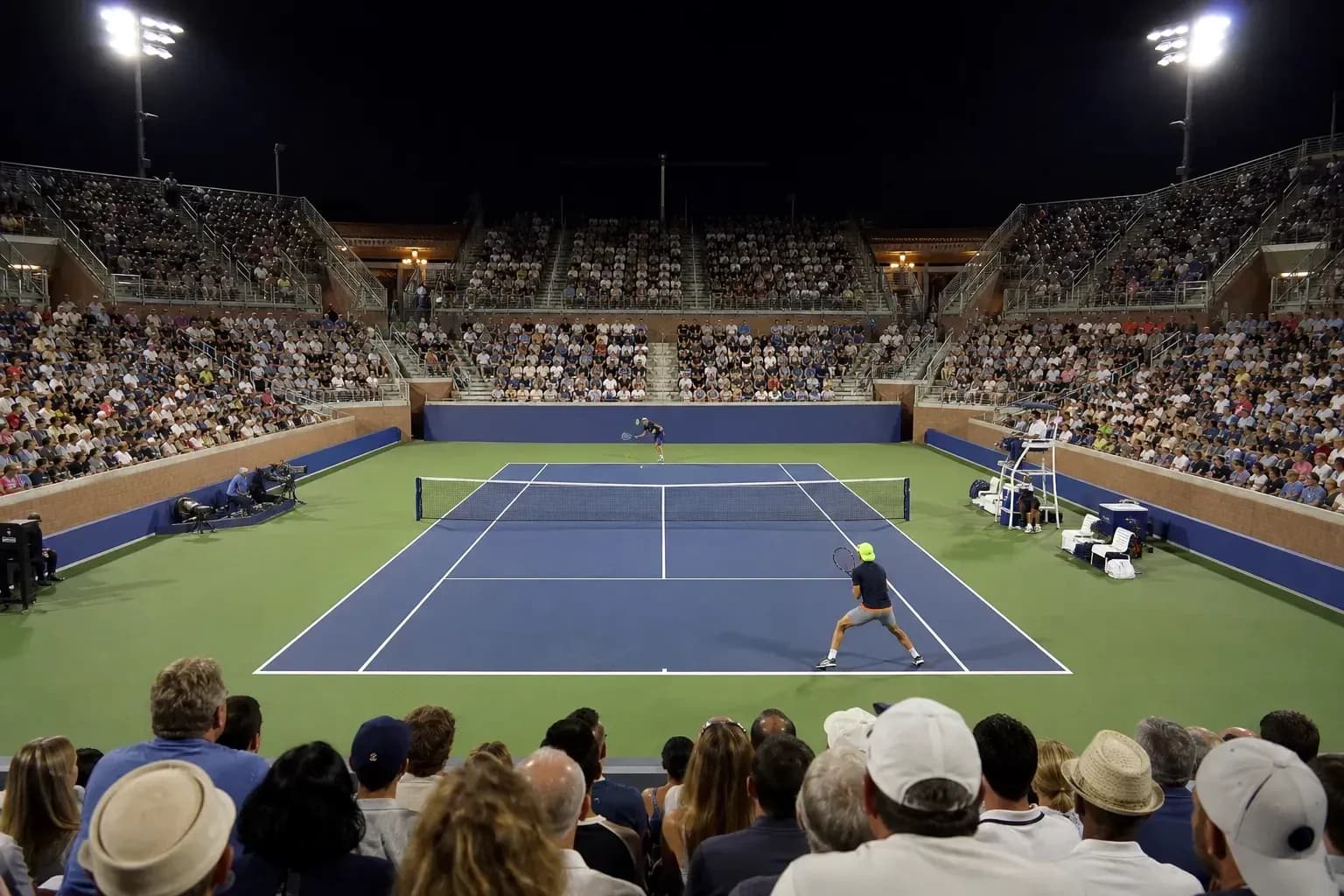
US Open Faces Criticism Over Late Night Matches
The US Open has always sold itself as tennis’ great night show. This year, the curtain is dropping closer to sunrise.
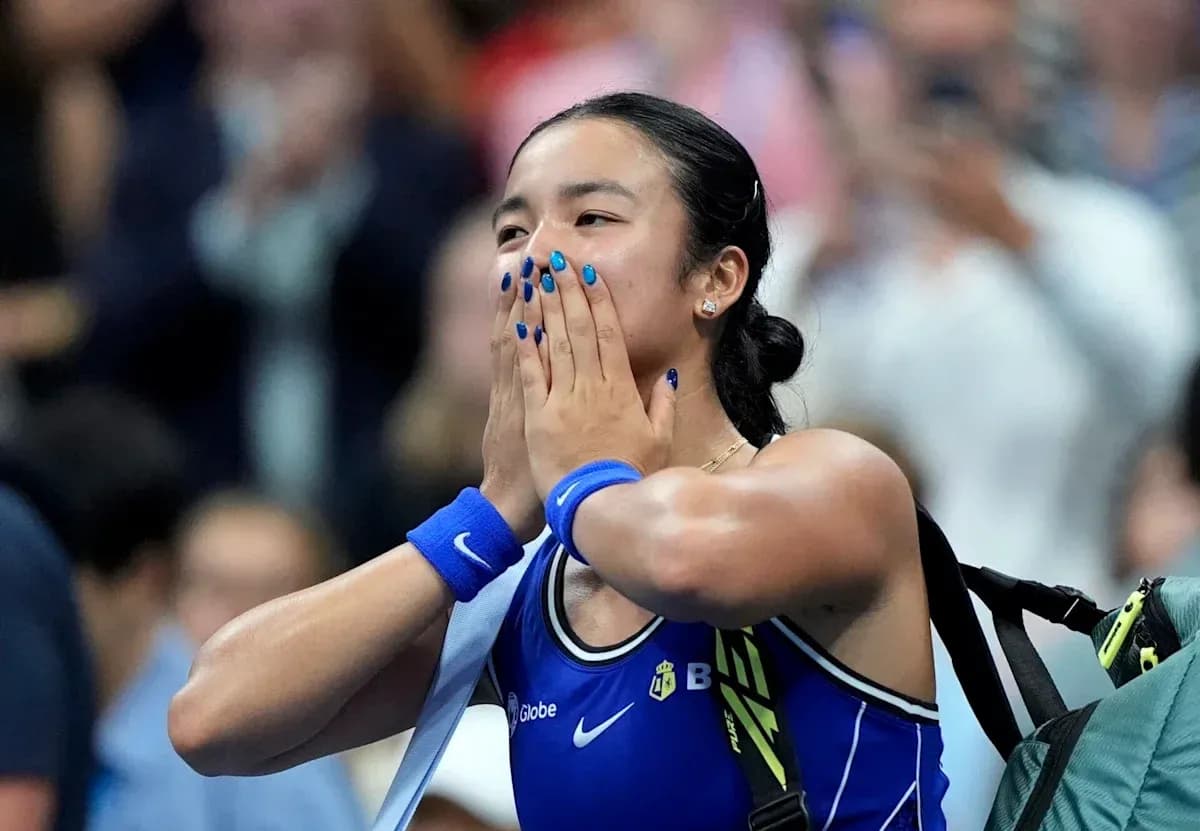
Organizers are facing mounting criticism after Ben Shelton’s stunning quarterfinal win over defending champion Carlos Alcaraz finished at 3:33 a.m. on Wednesday, the latest end in the tournament’s history. A breakthrough moment for Shelton; a breaking point, perhaps, for the schedule.
That match was not an isolated outlier. During the first week alone, three encounters dragged past 2:00 a.m., with two more spilling well beyond midnight. The latest-starting contest, involving seven-time major champion Venus Williams, didn’t begin until 12:13 a.m.
For a sport obsessed with fine margins, these hours are starting to look reckless.
Players push back on “middle-of-the-night” tennis
Venus Williams, 46 years old and still competing at the highest level, did not hide her frustration after losing to Sofia Kenin in the first round. A match starting after midnight, she suggested, simply doesn’t belong in elite sport.
She pointed out that she’s not aware of other major competitions where athletes are asked to begin performing so late into the night, and said there is clear room for improvement in how the schedule is built.
The criticism isn’t just coming from veterans.
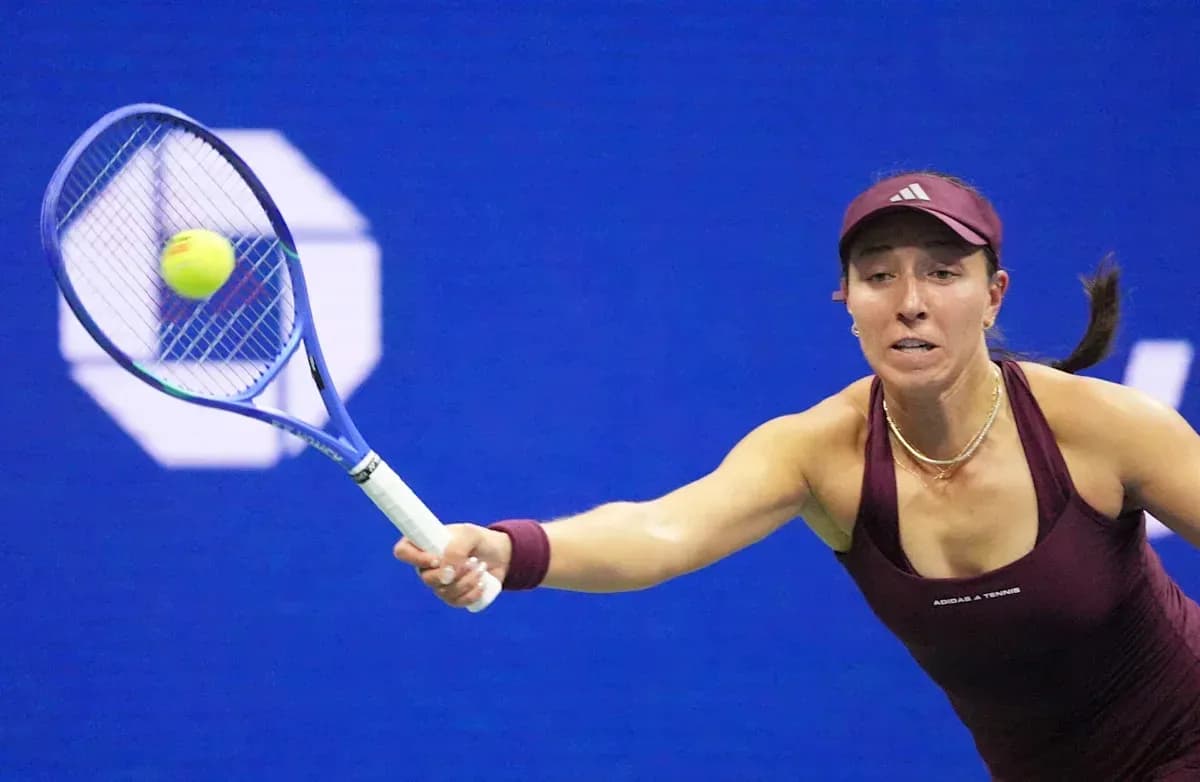
American Jessica Pegula, ranked No. 3 in the world, widened the lens. For her, this is not only about recovery times and sporting fairness, though those are central concerns. Matches rolling on into the small hours hit everyone: fans forced to leave early or commute home at 3:00 a.m., broadcasters trying to hold audiences, tournament staff and media working through the night.
Pegula openly questioned the logic of completing matches at 2:00 a.m. and floated a simple adjustment: start the evening session an hour earlier.
The message from the locker room is clear. Late finishes are no longer a quirky part of New York’s tennis identity. They are a problem.
Organizers caught between tradition and reality
Tournament officials know Tuesday’s schedule crossed a line. A US Open representative described it as one of the most unusual days in the event’s history and admitted that all options for reshaping the timetable now have to be on the table.
Yet the solution is not straightforward.
Pushing the evening session earlier than the current 7:00 p.m. slot is complicated by New York itself. Many ticket holders are coming straight from work, threading their way out to Flushing Meadows through rush-hour traffic and packed trains. Organizers also have to manage the flow of spectators between day and night sessions, a logistical puzzle that becomes even harder if start times shift.
So the debate moves into more radical territory.
One proposal under discussion is to shorten men’s early-round matches from the traditional best-of-five sets to a best-of-three format. That change would slice hours off the daily schedule and reduce the risk of matches tumbling into the dead of night.
Not everyone is on board.
American Frances Tiafoe has come out in favor of preserving best-of-five in the early rounds, arguing that the longer format has produced some of the sport’s most memorable battles. To him, those epic five-setters are part of what makes men’s Grand Slam tennis unique, and not something to be traded away lightly for cleaner timetables.
So the US Open stands at a familiar crossroads for modern sport: spectacle versus practicality, tradition versus player welfare, prime-time drama versus the simple question of when a day should end.
The lights at Flushing Meadows will keep burning. The real issue now is how long into the night tennis should follow them.