USA Women's World Cup Dominance: Caitlin Clark Shines
The United States walked into the FIBA Women's World Cup as the standard, not the story. Eleven titles. Four straight golds. One blip — a bronze in 2006 — in nearly three decades of dominance. This is their tournament, and everyone else is just trying to survive it.
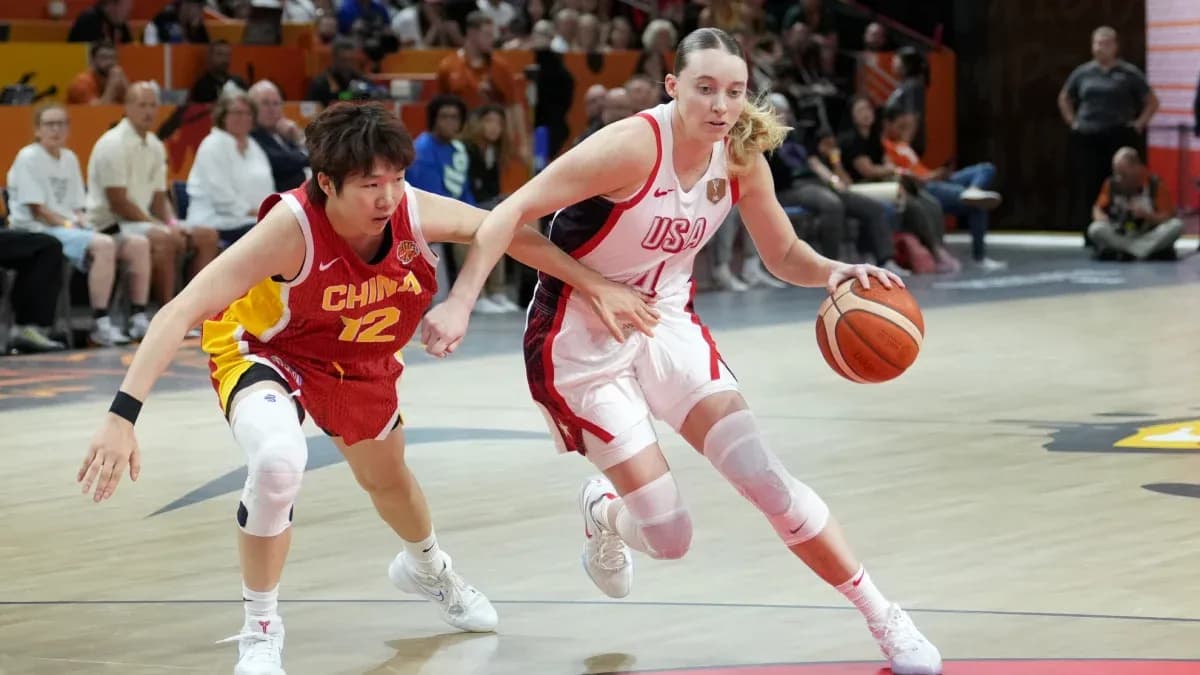
On opening day, the hierarchy reasserted itself quickly. Spain rolled. France rolled. Team USA did more than that. They dismantled China 94–61, a 33-point statement that felt familiar in scoreline but fresh in texture, because of one name off the bench: Caitlin Clark.
She didn’t start. She didn’t need to.
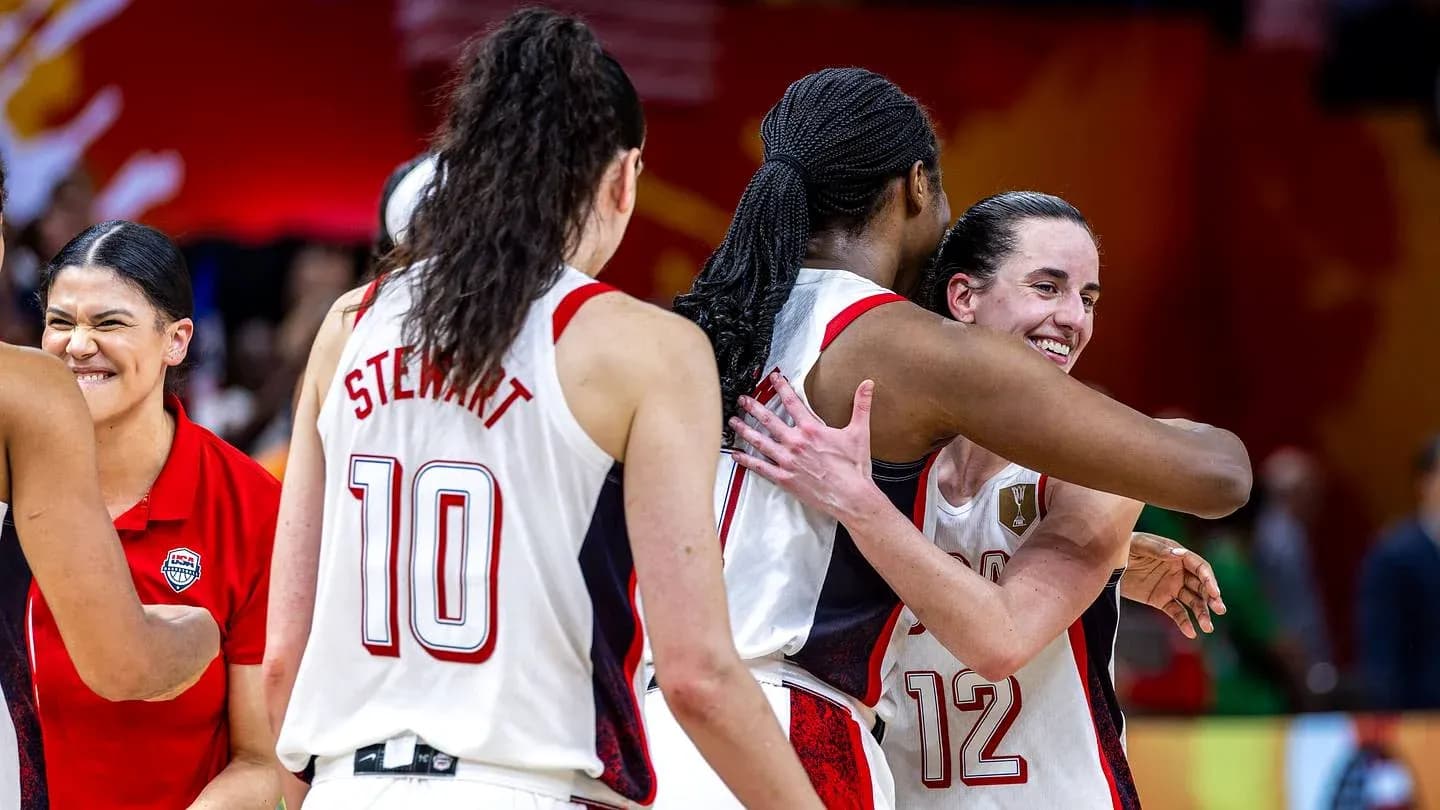
In just 25 minutes — the most of any American on the floor — Clark took complete command of the game, earning Player of the Game honors and rewriting a small but telling slice of USA Basketball history. She handed out 11 assists, the most by an American player at a Women's World Cup in 28 years, and matched a game-high 14 points, sharing top-scoring honors with backcourt partner Paige Bueckers.
The numbers tell one story. The way she got them told another.
Clark bent China’s defense from the moment she checked in. Her shooting reputation alone dragged defenders out of shape, her handle and vision did the rest. Each high screen drew two bodies. Each double-team left someone wide open. Clark kept seeing it before anyone else did, threading passes into pockets that barely seemed to exist. By the time China adjusted, the damage was done and the game was gone.
It’s the same skill set that has made her the leading assist-maker in the WNBA: lethal range, tight ball security, and an almost ruthless understanding of where the next advantage will appear. On this stage, with this roster, it looked even more dangerous.
Alongside her, Bueckers played the perfect foil.
The Dallas Wings guard mirrored Clark’s 14 points and brought a calm, cutting edge to the American backcourt. Their chemistry, hinted at in theory, exploded in practice — quick-hitting exchanges, drive-and-kick sequences, and a shared sense of timing that made every defensive rotation feel late.
After the final buzzer, Bueckers didn’t dress it up. She credited Clark for the space and rhythm she enjoyed.
“We know how to play well off of each other. She draws so much defensive attention, so a lot of the defense is worried about her and she has great vision as well,” Bueckers said, her words landing as a simple explanation for what everyone had just watched.
The box score backed her up. Clark’s 11 assists weren’t empty numbers racked up in garbage time; they were the blueprint for how this version of Team USA intends to overwhelm opponents. Pressure the perimeter with a shooter you can’t leave. Force help. Punish every rotation.
The game also produced one of the viral images of the tournament so far. At one stoppage, Bueckers found herself standing next to China’s 7-foot-3 center Zhang Ziyu, craning her neck upward in disbelief. The contrast — a star guard staring up at a towering teenager — captured the sheer scale of the challenge China faced, and the surreal nature of modern international basketball.
For all the individual highlights, the wider context hasn’t changed: the United States remain overwhelming favorites to capture a fifth consecutive world title. Their opening performance only hardened that perception. The margin, the depth, the ease with which they shrugged off a capable Chinese side — it all felt ominous for the rest of the field.
But this tournament doesn’t pause for admiration.
Next up is Italy on Sunday, a team arriving with confidence after dispatching Czechia in their opener. Italy will bring structure, shooting, and a belief that they can at least drag the Americans into a contest rather than a procession. Then, on Monday, USA will close out Group D against that same Czechia side, looking to lock in seeding and rhythm before the knockout rounds.
For now, though, the picture is clear. The United States still own this stage. The difference this time is that the world’s most dominant program now has a backcourt duo in Caitlin Clark and Paige Bueckers that looks ready not just to extend an era, but to redefine how it’s remembered.