Max Verstappen Prepares for Painful Italian Grand Prix with New Regulations
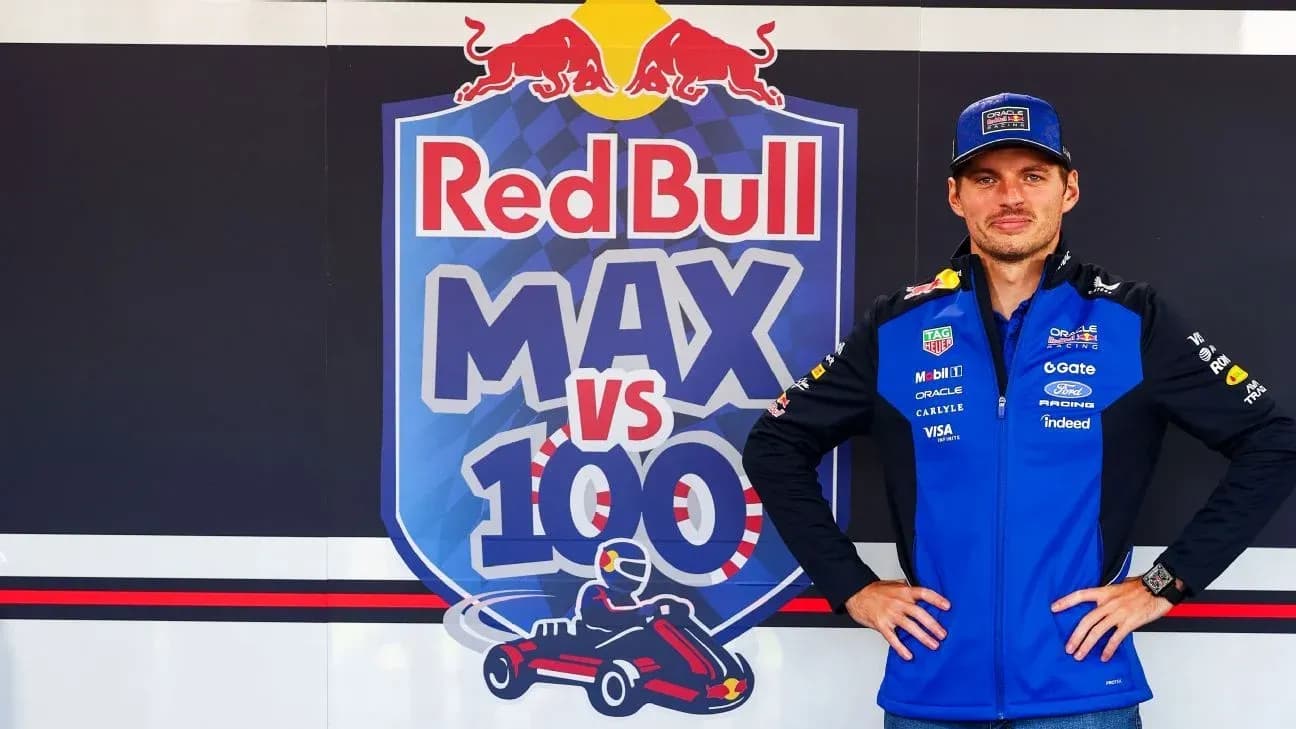
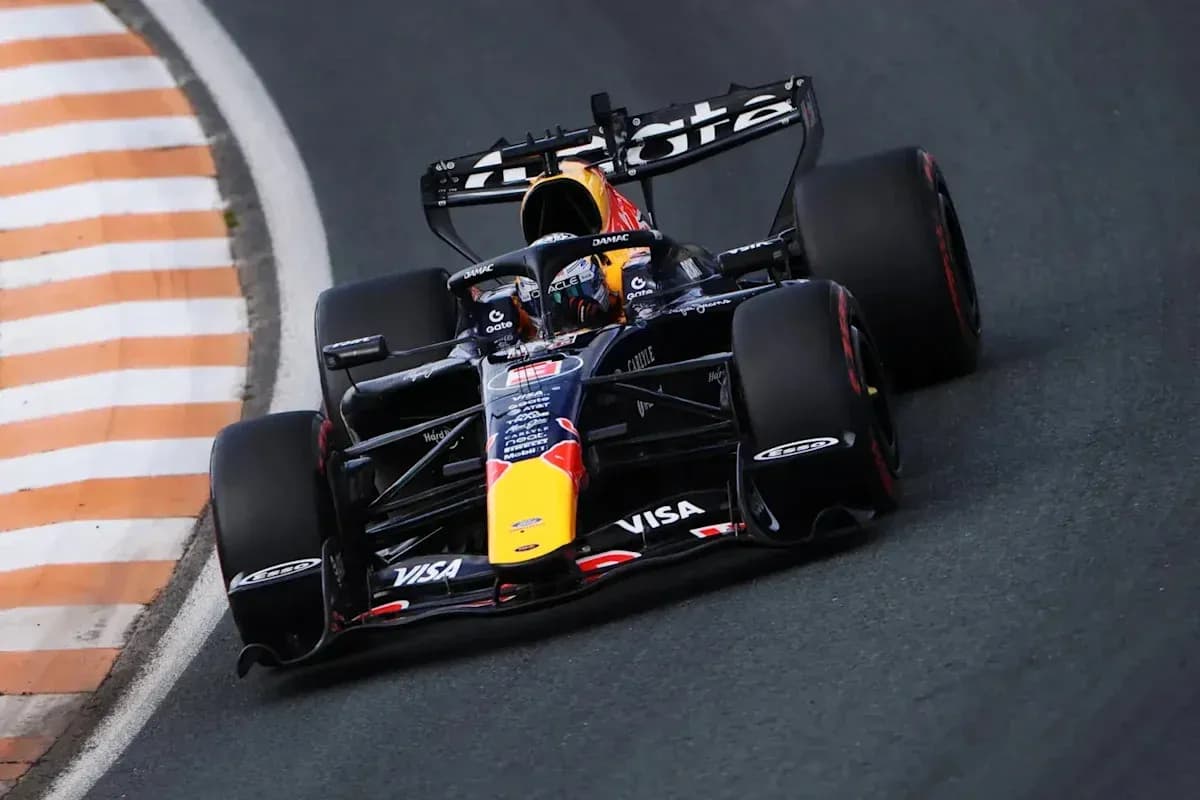
Max Verstappen is braced for a bruising Italian Grand Prix weekend, admitting he has already “mentally accepted” that Monza will be “really painful” under Formula 1’s 2026 regulations.
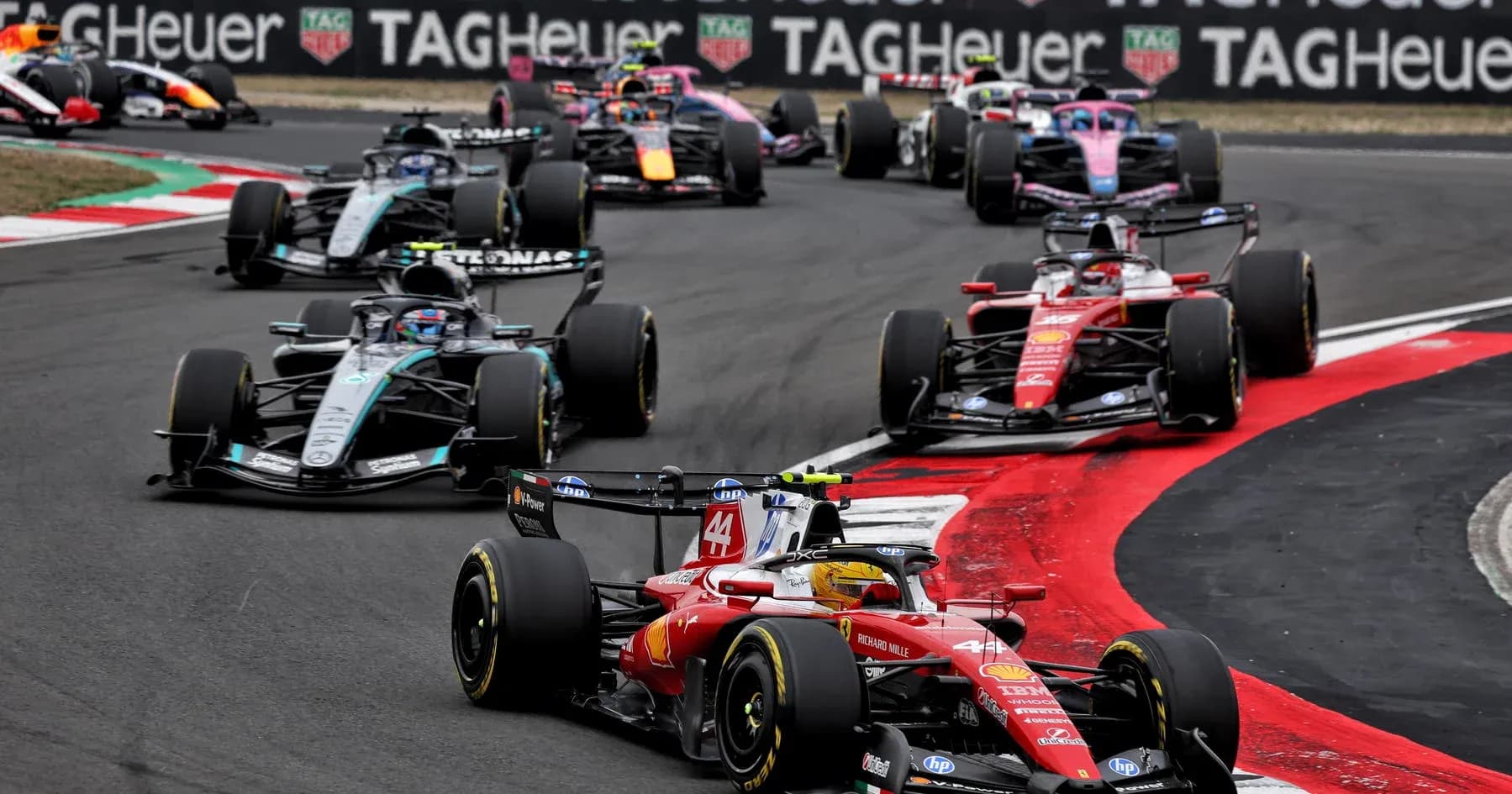
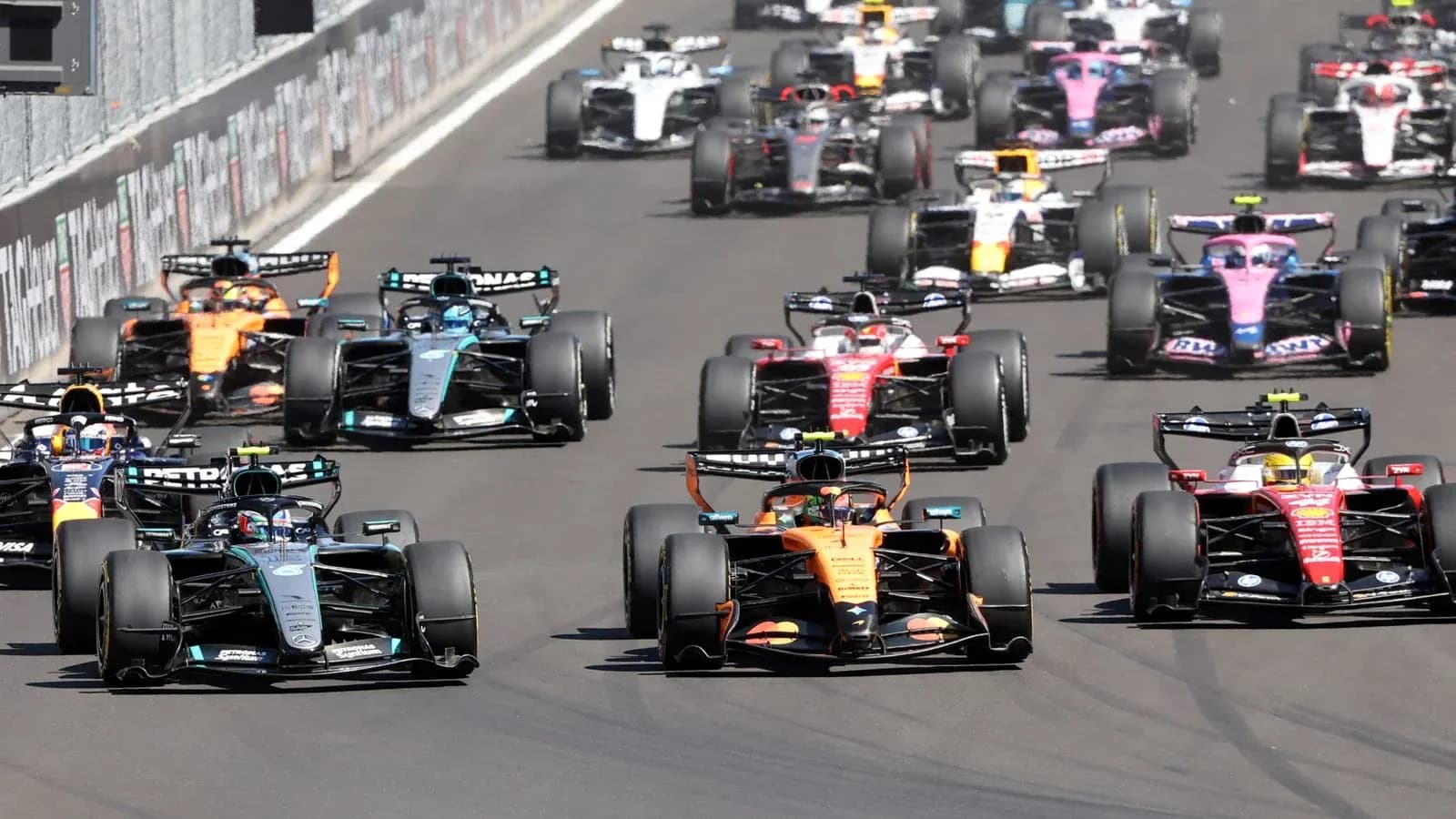
The triple world champion has been one of the loudest voices against the new rules, which lock in a 50:50 split between internal combustion and electrical power. Monza, with its endless straights and long periods at full throttle, is exactly the kind of circuit that exposes an “energy-starved” power unit.
And Verstappen knows it.
“Really painful” Monza on the horizon
Asked how he expects the 2026-spec cars to feel around the Temple of Speed, Verstappen did not sugar-coat it.
“Really painful, it's very energy inefficient,” he told GPblog and other media on Thursday. “But I also don't want to be too negative about it all. It's what it is, I accepted it mentally.”
He has been warning about this for a while. Back in 2023, Verstappen predicted drivers might even need to downshift on the straights at Monza just to manage energy, such is the strain of the new power balance. That idea sounded extreme at the time. Under these rules, it no longer feels far-fetched.
This weekend, he is preparing for something that runs against every racer’s instinct.
“You cannot push flat out, you just have to be gentle with the throttle. Let's call it like that,” he said.
For a driver who has built his dominance on relentless pace and aggression, the prospect of nursing the throttle down Monza’s legendary straights feels almost sacrilegious.
“Far from fixed” – no quick solution in sight
Verstappen has spent much of this season railing against what he once dubbed “Mario Kart” racing, frustrated by how the new regulations shape the on-track product. Yet even as his public criticism has cooled, his assessment of the rule set remains stark.
He believes Formula 1 and the FIA are working hard to improve the 2026 package, but he is adamant that the sport is nowhere near a finished solution.
Asked whether recent mid-season tweaks to the rules might at least improve overtaking at Monza, Verstappen cut through the optimism.
“It happens on a lot of tracks where changes are being made to try and make it better, but better doesn't mean that it's fixed,” he said. “It's far from fixed. But, I mean, everyone is trying to do the best they can, the FIA and F1, they are all trying to deal with the current situation.”
The message is clear: small gains, no miracles.
Red Bull praise, but no illusions
Red Bull have been widely credited with having the strongest internal combustion engine lined up for 2026, a potential trump card when electrical deployment runs dry on long straights. On paper, that should make Monza a kinder venue for Verstappen than for some of his rivals.
He is not buying into that narrative.
“I think on the inefficient tracks, we've not been particularly great with energy, so I don't expect miracles here. It will still be tough,” he said.
The Dutchman also pointed to the development race raging around him. While Red Bull continue to understand and refine their package, others are throwing upgrades at their cars in a bid to close – or even overturn – the gap.
“Other teams around us are bringing upgrades at the moment, so they are making steps forward,” he noted. “We were already behind before that, so I don't expect that to change now.”
So the target this weekend is not a sudden leap back to dominance. It is information. Learning. Laying foundations.
“We just try to learn more about the car and the things that we want to do different for next year as well,” Verstappen said.
Monza, then, may hurt. But for Verstappen and Red Bull, the real question is not how much pain they can endure over one weekend, but how quickly they can turn that discomfort into an advantage for the next era of Formula 1.