Zheng Qinwen's Dramatic Comeback at the US Open
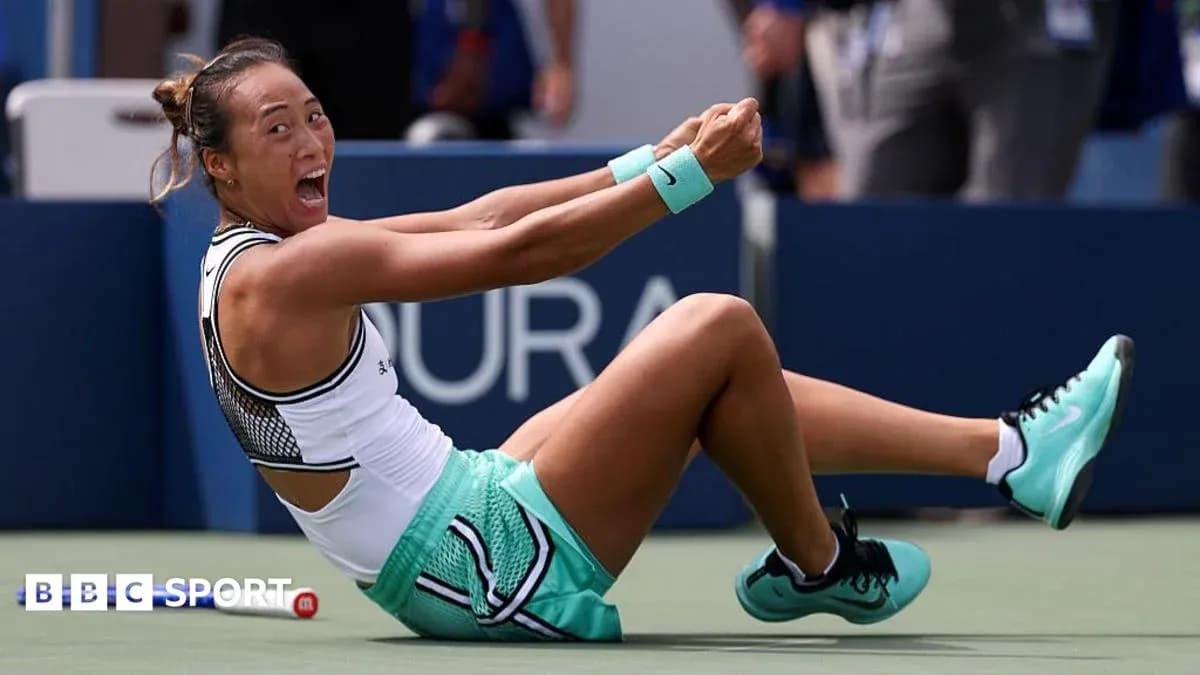
Zheng Qinwen was still lying on the hard court when the applause rolled over her. Arms spread, eyes to the sky, she looked less like a qualifier and more like someone who had just escaped a sporting catastrophe.
Because that is exactly what she had done.
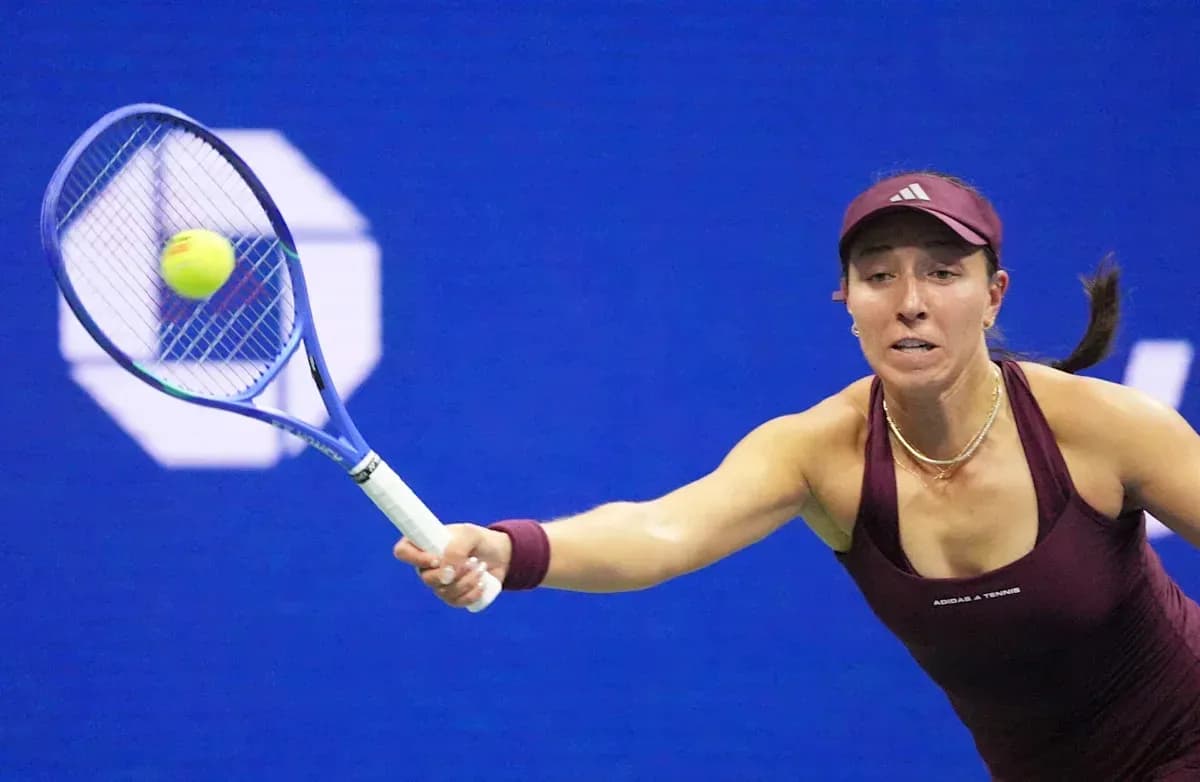
From 5-0 down and facing match point in the deciding set against Madison Keys, the Olympic champion stitched together one of the most audacious comebacks the US Open has seen in years, stealing a 1-6 7-6 (7-3) 7-5 win from a match that had seemed firmly in American hands.
“It was a very dramatic match,” Zheng said afterwards. That barely covers it.
From rout to resurrection
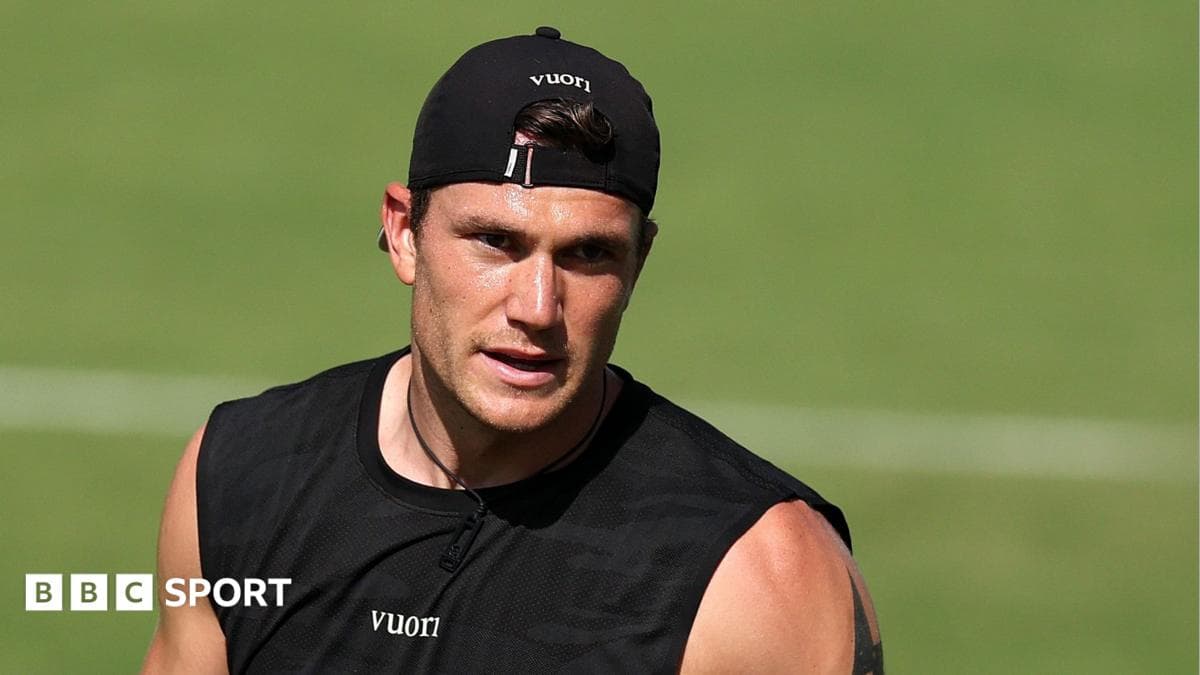
For 23 minutes, it was a mismatch. Keys, the 2025 Australian Open champion and a familiar force on these courts, tore through the opening set. Her weight of shot, her timing, her comfort in front of a supportive crowd – everything screamed routine third‑round win.
Zheng, who had arrived in New York the hard way through qualifying, looked like a player still feeling her way back after surgery, not the woman who lit up 2024 with an Australian Open final, Olympic gold and a US Open quarter-final. The scoreboard read 6-1. The mood felt ominous.
But she stayed in the fight.
The second set turned into a test of nerve. Keys kept swinging freely, but Zheng began to hold serve with more authority, to lengthen the rallies, to ask questions. When the tie-break came, the qualifier was the one who tightened her grip. Zheng surged through it 7-3, dragging the match into a decider that, on paper, she had no right to still be contesting.
Then came the collapse. Or so it seemed.
Staring at the exit
Keys raced to a 5-0 lead in the third set. She earned match point. The crowd rose, ready to salute a home favourite marching into the last 16.
Zheng refused to move aside.
Point by point, game by game, she clawed her way back. The tension inside the stadium flipped. Every Keys error drew a murmur, every Zheng winner a gasp. What had looked like a procession turned into a slow, merciless unraveling for the 22nd seed.
The pressure finally told. Zheng reeled off seven consecutive games, sealing the match 7-5 and collapsing to the court in a mixture of shock and release. The qualifier who had been a point from defeat walked away the winner, leaving Keys to digest how a sure victory had slipped through her fingers.
“Finally, a bit of luck is on my side,” Zheng said, the emotion of the past year never far from the surface. “I am just telling myself ever give up. Somehow, little by little, it's just happened. Tennis sometimes feels like rollercoaster. You see many times people have a match point, but at the end we made a comeback.”
A year of doubt
The roar that greeted her victory carried a deeper story. This was not just a comeback in a match; it was a comeback in a career.
Only three months ago, Zheng sat in a French Open news conference in tears after a first-round exit. That defeat, to eventual runner-up Maja Chwalinska, came in her first Grand Slam appearance since elbow surgery in July 2025 to remove small floating bone fragments that had caused a chronic injury.
The operation halted a surge that had looked unstoppable. In 2024 she had broken through in style: Australian Open finalist, Olympic champion, US Open quarter-finalist. Early 2025 suggested more of the same. She reached the last eight at Roland Garros and climbed to a career-high world ranking of No. 4.
Then the elbow gave way. Nine months out. Rhythm gone. Confidence shaken.
Her ranking sank as low as 160. For the first time in four years she had to grind through Grand Slam qualifying just to earn a place in the main draw. For a player who had rocketed through the sport, the fall was brutal.
“After coming back from injury I felt I lost the energy and I forgot how to compete,” she admitted.
On this night in New York, those words felt like a different lifetime.
Echoes of Raducanu
Zheng’s run carries its own historical weight. She is the first qualifier to reach the women’s fourth round at the US Open since Emma Raducanu, who famously went on to lift the title in 2021. That comparison will follow her now, whether she wants it or not.
The path has been far rougher for the 23-year-old from China. Raducanu’s surge came without the scars of surgery, the grind of rehab or the shock of tumbling down the rankings. Zheng has lived all of that in the space of a year.
And yet here she is, punching through from the qualifying rounds into the second week of a Slam, outlasting a Grand Slam champion and a home favourite after staring at a 5-0 deficit and match point in the deciding set.
She called it luck. The scoreboard told a different story.
The question now is not whether Zheng Qinwen has remembered how to compete. It is how far that rediscovered edge can carry her in New York, and whether this wild, impossible night marks the start of another charge towards the very top of the sport.