2026 FIFA Intercontinental Cup: Who Will Be the Best?
The world’s club game is about to tighten its grip on a single, brutal question: who is truly the best?
In 2026, the FIFA Intercontinental Cup returns for its third edition, a compact, high‑stakes tournament that drags the champions of every continent into the same spotlight and leaves just one standing as world club champion. No expanded groups. No second chances. Five matches, six confederations, one crown.
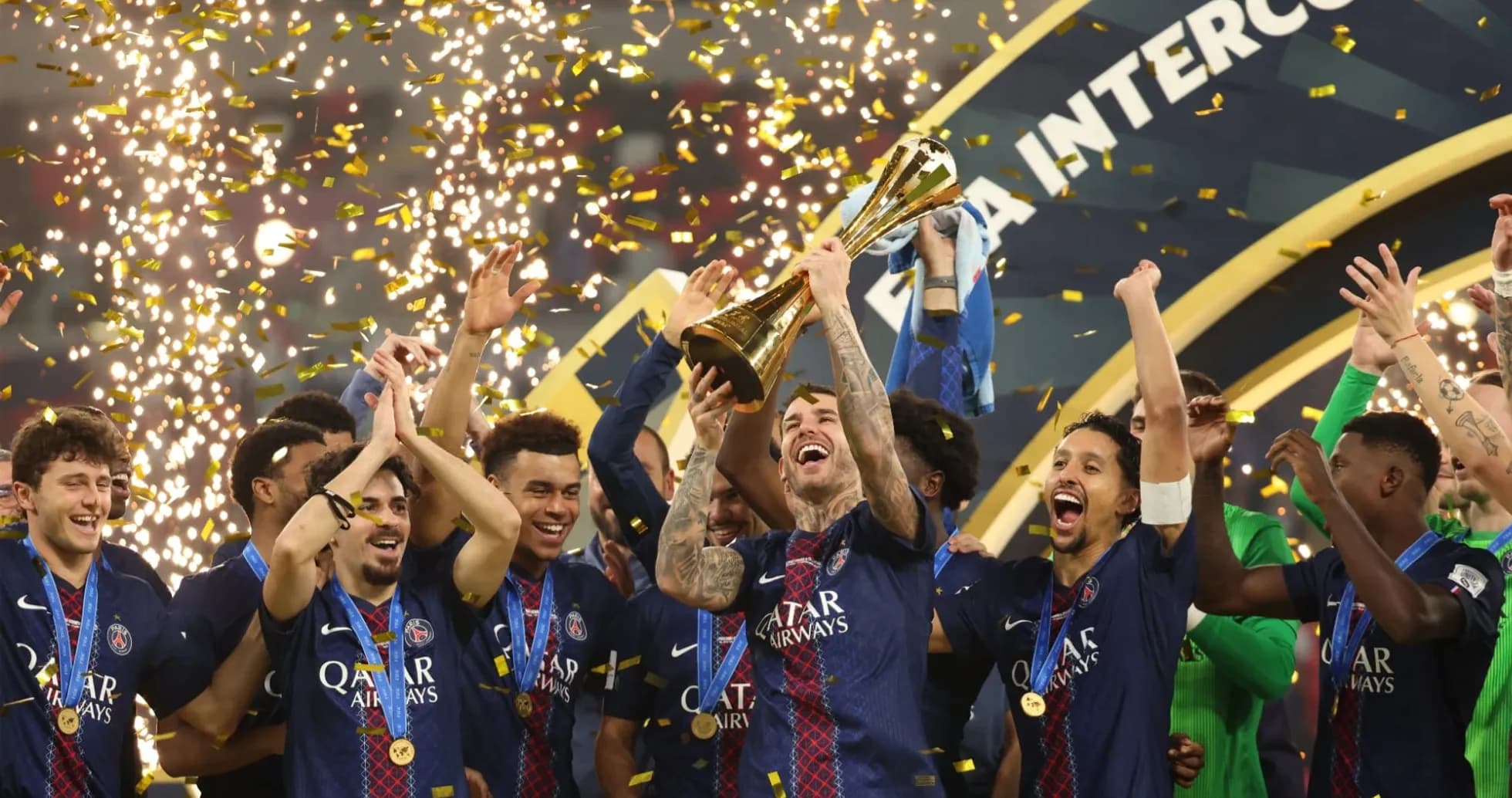
Paris Saint-Germain are already waiting at the top of the mountain.
A global cast, one missing giant
Five of the six tickets are punched. The cast is as varied as the map it covers.
From Europe, Paris Saint-Germain arrive not just as UEFA Champions League winners but as defending Intercontinental Cup holders, having retained the Champions League against Arsenal on penalties in Budapest. Their status brings a sharp edge: they skip the earlier rounds and step straight into the final, once again cast as the team everyone else must chase.
North America’s flag is carried by Toluca, who held their nerve from the spot to beat Tigres and win the CONCACAF Champions Cup. In Africa, Mamelodi Sundowns earned their place the hard way, winning the CAF Champions League final against AS FAR and reinforcing their growing reputation as a continental powerhouse.
Asia’s path runs through Jeddah, where Al-Ahli clinched the AFC Champions League Elite by beating Machida Zelvia, securing their ticket to this global stage. Oceania is represented by Auckland FC, champions of the inaugural OFC Professional League and now thrust into a tournament where every mistake is punished.
Only South America’s champion is missing. The 2026 Copa Libertadores is still to be settled, and with it the identity of the club that will carry CONMEBOL’s heavyweight tradition into a tournament tailor-made for drama. Whoever emerges from that gauntlet will walk straight into a one-game showdown with the kings of CONCACAF in the Derby of the Americas.
How the 2026 Intercontinental Cup works
The format is stripped back, almost ruthless.
The tournament unfolds in four stages and just five games:
- African-Asian-Pacific Cup The opening act. The champions of AFC and CAF are paired with the Oceania representative in a two-game mini-knockout. Hosting rights alternate between Asia and Africa each year, adding a different flavour and climate to the curtain-raiser. Survive this and you step into the global conversation. Fall, and your continental title is where the story ends.
- Derby of the Americas One match, two continents, no margin for error. The CONCACAF Champions Cup winner faces the Copa Libertadores champion in a straight shootout. It’s not just a clash of styles; it’s a collision of football cultures that have long claimed a right to challenge Europe’s dominance.
- FIFA Challenger Cup The winners of the African-Asian-Pacific Cup and the Derby of the Americas meet at a neutral venue. This is the hinge of the entire competition: the game that decides who earns the right to face Europe’s best. It is, in essence, a global semi-final with everything compressed into 90 minutes.
- The Final Waiting at the end of that path is the UEFA Champions League winner. In 2026, that means Paris Saint-Germain, already installed in the showpiece as both European champions and defending Intercontinental Cup holders. They play just once, but that single game decides whether their continental dominance stretches across the world again.
Tickets, prices and the scramble to get in
The appetite for this tournament has grown fast. Previous editions sold out quickly, and 2026 is expected to move just as rapidly once venues and dates are locked in.
Fans looking to be inside the stadiums when the world’s champions collide will turn to resale marketplaces once fixtures go live. Platforms like Ticombo list verified tickets for matches worldwide, with buyer protection and secure payments built into each order. The process is simple: pick your fixture, choose your seat category and location from the available listings, and check out in a few clicks.
The smart move is to watch closely. Listings tend to appear as soon as organisers confirm stadiums and dates, and the cheapest seats rarely hang around.
Exact pricing for 2026 has not yet been released, but recent tournaments offer a clear guide. For the 2025 edition in Qatar, FIFA’s general sale tickets started from as little as QAR 20 – around 5 US dollars – for the early rounds. On the resale side, prices stretched much higher once demand surged.
The final is where the market bites hardest. Tickets there have typically ranged from about 82 US dollars for the lowest-priced seats to an average of roughly 217 US dollars for a mid-range view. By contrast, the African-Asian-Pacific Cup and Derby of the Americas fixtures tend to be the most affordable way into the tournament, a cheaper doorway into the same noise, colour and tension.
The Challenger Cup and the final sit at the other end of the scale, carrying a premium that reflects the stakes. On dynamic platforms, prices rise and fall with real-time supply and demand, so those who move early once tickets appear usually stand the best chance of locking in the lowest available rates. Side-by-side comparisons of seating categories help fans balance budget with proximity to the action, so they can choose between a cheaper corner seat or a more central view without missing the atmosphere that makes these nights unforgettable.
A title that means everything
The Intercontinental Cup’s design is brutal but honest. Champions do not tiptoe through group stages; they collide. Every match is a final in miniature, and every club arrives knowing they have already conquered their own continent.
Paris Saint-Germain are the benchmark, parked in the final and waiting. Toluca, Mamelodi Sundowns, Al-Ahli and Auckland FC know they must fight through at least one more layer of elite opposition just to earn the right to face them. South America’s champion will join that chase with all the swagger and pressure that comes with the Libertadores crown.
Five matches. Six champions. One undisputed world club title on the line.
The only question now is which continent will be holding the trophy when the lights go out in 2026.