WTA Hong Kong: A New Opportunity Amid Withdrawals
As the WTA calendar limps toward its finish line, Hong Kong was supposed to be one last hard-court showcase before the lights go up at the WTA Finals. Instead, the draw has turned into a revolving door. Thirteen withdrawals. A 250 with the feel of a reshuffled deck.
For some, it’s a luxury earned. For others, it’s a lifeline.
Big names, big exits
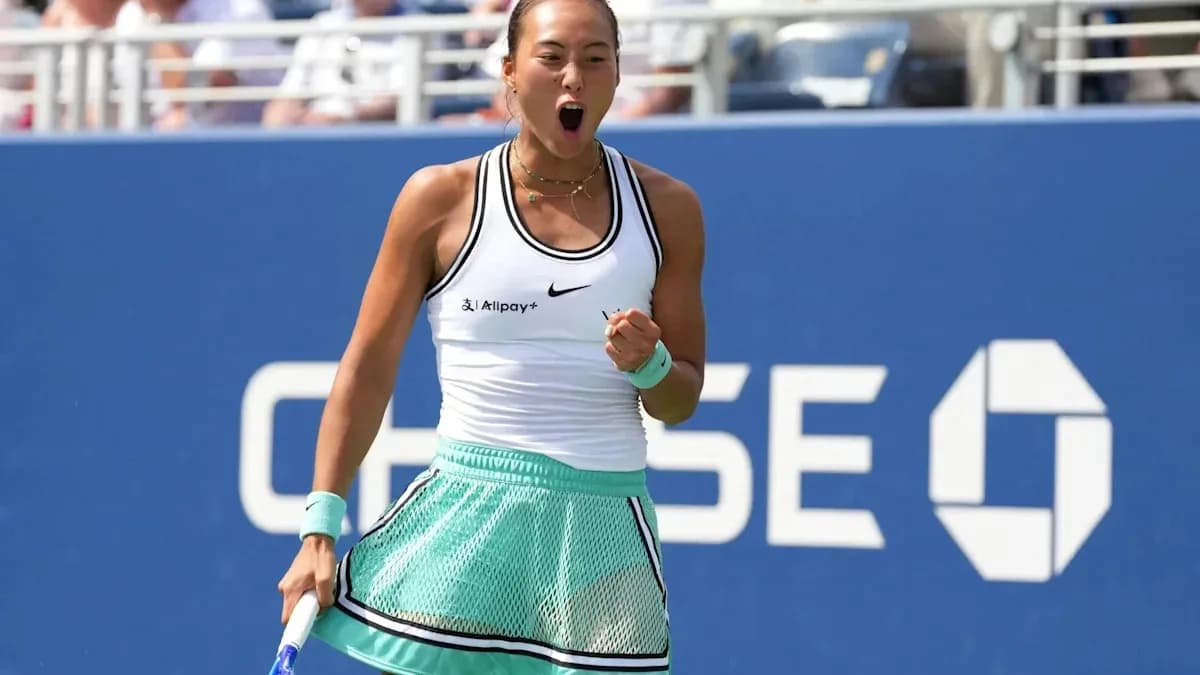
The most telling absentee is Qinwen Zheng. The Beijing champion hasn’t struck a ball in competition since that statement title run, choosing to bank her form and her body for 2027. She’ll close the year inside the top 25, a position that lets her skip a late-season grind like Hong Kong and still sleep soundly. A year ago, withdrawing from a 250 would have been a missed chance. Now, it’s a sign of status.
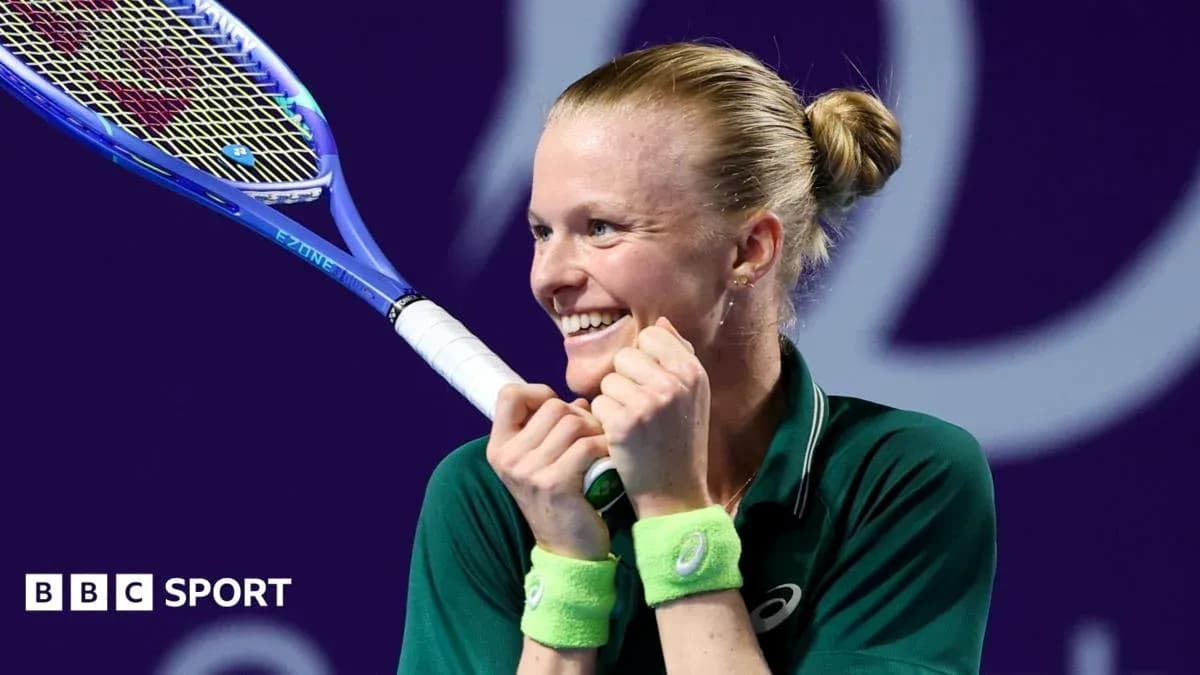
Sonay Kartal has made the same call. Her surge to the Wuhan final gave her a clear high point to end on, and she steps away before the tank runs dry. Kimberly Birrell, who opened the Asian swing with a title in Seoul, saw her results flatten out afterward. A late cameo as a lucky loser in Tokyo turned into her last appearance of the year; Hong Kong will go on without her.
Diana Shnaider is walking away for a very different reason: she’s simply done enough. The left-hander tore through Tokyo to lift the trophy and is now brushing against the top 10. To jump straight from that emotional high into another week would have been a brutal turnaround. She passes on Hong Kong and locks in a season that has shifted her from promising prospect to genuine force.
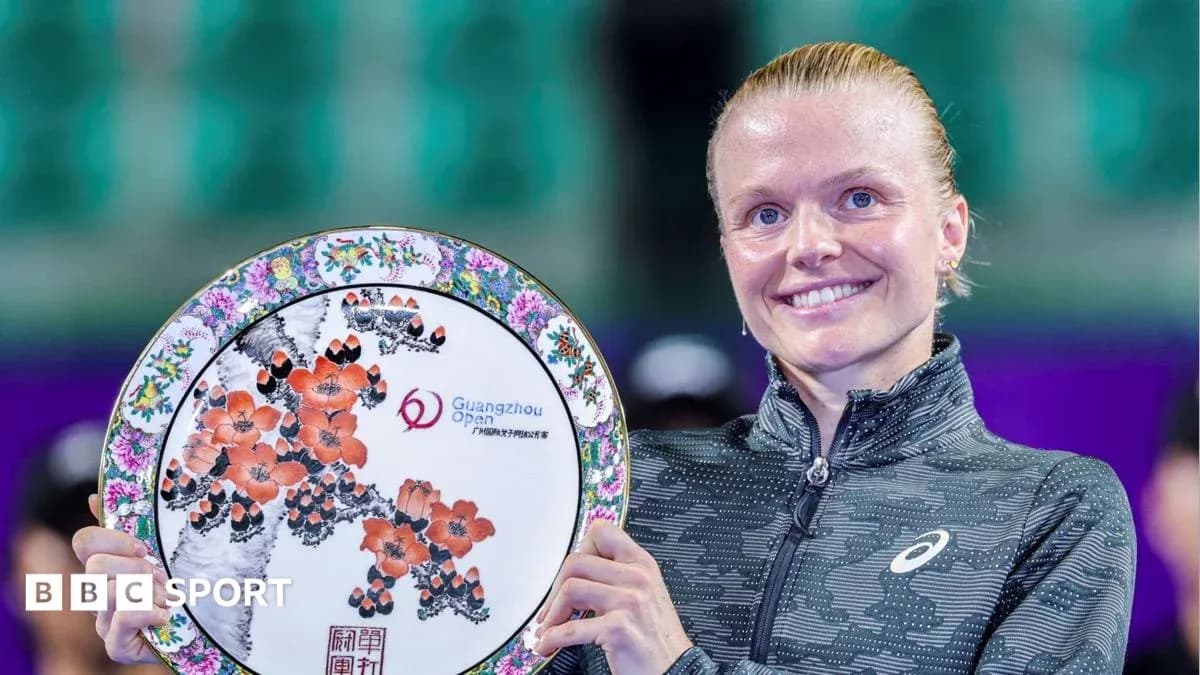
Then there’s 16-year-old Xinran Sun, one of the revelations of the Asian swing. Her semifinal run in Guangzhou pushed her to a career-high No. 303 and announced her as one to watch. She pulled out late from Hong Kong, her body and schedule already stretched by the biggest weeks of her young career.
Ann Li has chosen to stop on a surge of her own. Her recent weeks have been punctuated by upset wins, the kind of scalps that can reset a season. Rather than chase one more run, she shuts it down and heads for the offseason with that momentum intact.
Jasmine Paolini’s withdrawal comes from a different lane entirely. She hasn’t ridden a singles hot streak into Hong Kong; she’s riding away from a doubles triumph. The Italian captured the Tokyo doubles title alongside Sara Errani, a result that booked their place at the WTA Finals. With that ticket punched and next week’s showpiece looming, there’s simply no room left on the calendar for another stop in Asia.
The rest of the withdrawals tell a simpler story. No long-term injuries. No dramatic setbacks. Just players who have seen their form dip and decided that one more week isn’t worth the strain. Anna Bondar, Cristina Bucsa, Anhelina Kalinina, Mayar Sherif, Daria Snigur, and Yuliia Starodubtseva all played recently, failed to catch fire, and opted for an early start to the offseason.
A reshaped draw, a new set of chances
When that many names vanish from a main draw, opportunity rushes into the gaps.
Maria Timofeeva is one of the better-placed beneficiaries. Ranked No. 70, she steps in for Snigur and walks straight into a first-round meeting with top seed Sorana Cirstea. It’s a tough assignment, but it’s also a clear-stage chance to close the year with a statement.
Alycia Parks, in for Kalinina, faces second seed Alexandra Eala in her opener. Sofia Kenin, replacing Birrell, doesn’t have it any easier: third seed Leylah Fernandez awaits, a player who has been in sparkling form over the past few weeks. For both Parks and Kenin, Hong Kong offers no gentle landing. It offers a measuring stick.
Mary Stoiana, who takes Shnaider’s spot, gets a different kind of spotlight. Her first-round opponent is Venus Williams, in on a wildcard and still one of the sport’s most magnetic names. Stoiana has been climbing steadily through the rankings all year. Now she gets a chance to test that quiet progress against a legend in front of a bigger audience than she’s used to.
Two players have scrambled back into the picture as lucky losers. Elena Pridankina replaces Kartal after losing a tight three-setter in qualifying. Carol Young Suh Lee, in for Sun, returns despite a heavy straight-sets defeat in the second round of qualifying. Both have already had their “goodbye” to the tournament once. Now they’re back with a second life in the main draw, and those rarely come without a twist.
Tereza Valentova is another name worth circling. She slides directly into the main draw thanks to Zheng’s withdrawal, bypassing the grind of qualifying. Earlier in the year, she built a bit of momentum during the North American hard-court swing before injury halted her run until Osaka. Hong Kong offers her a clean slate and a shortcut: no early-round slog, just an immediate shot at rebuilding her ranking and rhythm.
Claire Liu, stepping into Paolini’s place, has something very specific on the line. She sits at No. 102 and can realistically punch her way into the year-end top 100 with a solid week. That number matters. It shapes entries, draws, and travel plans for the next 12 months. For Liu, Hong Kong isn’t just a bonus stop; it’s a potential springboard.
Dayana Yastremska (replacing Bondar), Viktorija Golubic (in for Bucsa), Maya Joint (for Li), Katie Volynets (for Sherif), and Antonia Ruzic (for Starodubtseva) round out a long list of alternates who now find themselves in a main draw that, on paper, looks more open than it did a week ago.
The stars of the Asian swing may be packing their bags, but their absence has flipped the script. Hong Kong no longer feels like a late-season formality. It feels like a test: which of these alternates will grab the gap, and which will let the year slip quietly away?