Alex Eala's Rematch Against Diana Shnaider in Tokyo
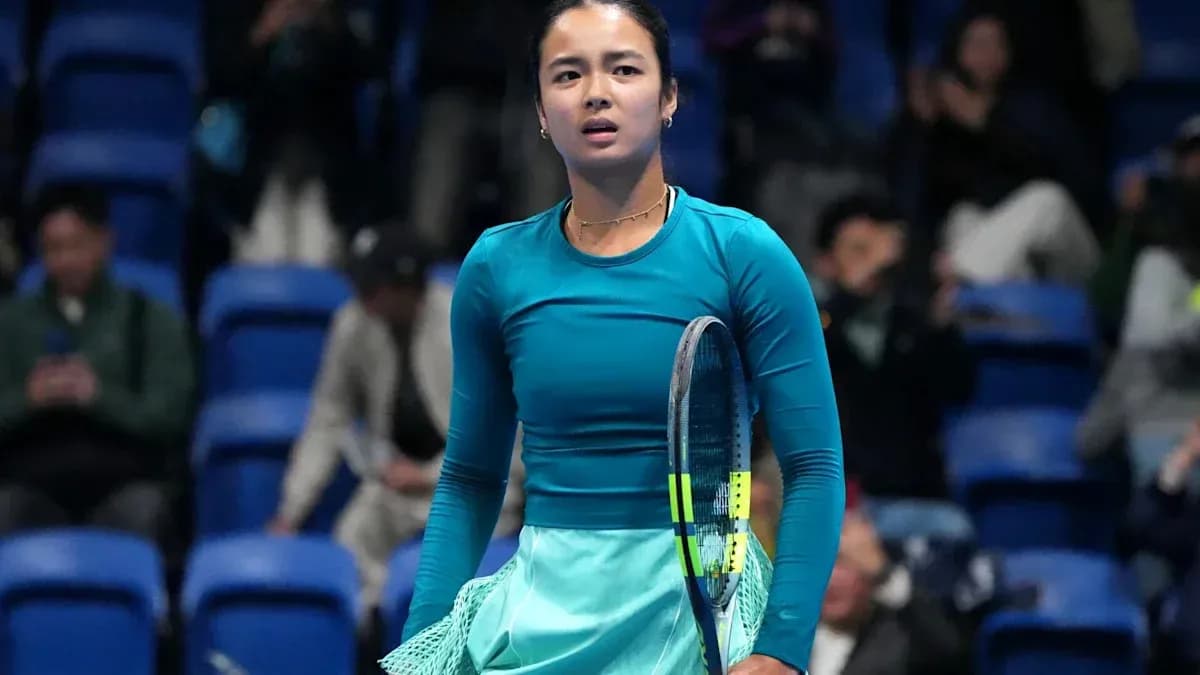
Alex Eala knows exactly where the rematch will be decided.
Seven days after Diana Shnaider sent her out of Ningbo, 7-5, 6-4, the Filipina is back in the Russian’s path – this time in Tokyo, this time with a quarter-final on the line, and this time with a clearer blueprint of what must change.
A fast-rising star, a familiar problem
Eala’s 2026 season has been a surge, not a step. A maiden WTA title in Washington. A run to the fourth round at Wimbledon. A debut in the world’s top 20. She has gone from prospect to problem in a matter of months.
Yet one issue has trailed her rise: the serve.
The Ningbo loss underlined it in unforgiving numbers. Her first-serve percentage barely crept above the 50% mark, and she won just over half of those points. That combination left her constantly under pressure, and Shnaider pounced, breaking serve six times. Against a clean ball-striker who loves to attack on return, that was simply too generous.
Tokyo offers a second look at the same matchup, but Eala arrives with fresh evidence that her serve can be a weapon, not a liability.
Aces in Tokyo, lessons from Ningbo
Since that defeat, Eala has played like someone who took the message personally.
She has beaten Mika Stojsavljevic and Talia Gibson to reach the last eight in the Japanese capital, and the Gibson match, in particular, hinted at a shift. Eala fired nine aces – her highest tally in any match this season – while lifting both her first-serve percentage and her success rate behind it well above the Ningbo levels.
Those numbers matter. They show the serve itself is not a ceiling, but a lever she can pull when the rhythm is right. The technical tweaks that coaches love to dissect will likely wait for the off-season, yet even within her current motion she has proved she can hit her spots and protect her delivery.
Shnaider is a different test from Gibson, of course. The Russian, seeded third in Tokyo, returns with more aggression, more depth, more intent. She will put far more balls back in play and drag Eala into longer, more physical games.
But the identity of the opponent should not drag Eala’s first-serve percentage down. That part is on her. If she can simply start more points on her terms, the dynamic of this rematch changes immediately.
The lefty puzzle
There is another layer to this rivalry, one that goes beyond statistics.
Both players are left-handed. For Eala, that has not been a comfort zone. She has yet to beat any of the left-handers currently ranked inside the top 100, a curious blind spot for someone who brings that same angle and spin to the court herself.
Shnaider exploited that in Ningbo. The patterns Eala usually enjoys against right-handers – heavy cross-court forehands, swinging serves out wide – do not bite as hard when mirrored back at her. Instead of opening the court, she often found herself dragged into awkward forehand exchanges and rushed on the backhand wing.
Cracking that code is as important as tightening the serve. She has seen Shnaider’s patterns now, felt the weight of ball, understood how quickly the Russian steps in on anything short. There will be no surprises this time.
A different Tokyo, or the same story?
Eala does not need to reinvent her game in a week. She needs to serve with the conviction she showed against Gibson and handle the lefty patterns with more clarity than she managed in Ningbo.
If the first serve holds up and the rallies are played on her terms, the rematch in Tokyo stops being about revenge and starts becoming about something bigger: whether a breakout season can harden into something more permanent, against exactly the kind of opponent she must learn to beat.