Argentina Honors Messi: A Weekend of Applause
The Argentine league will do something rare this weekend: it will stop, mid-game, simply to applaud one man.
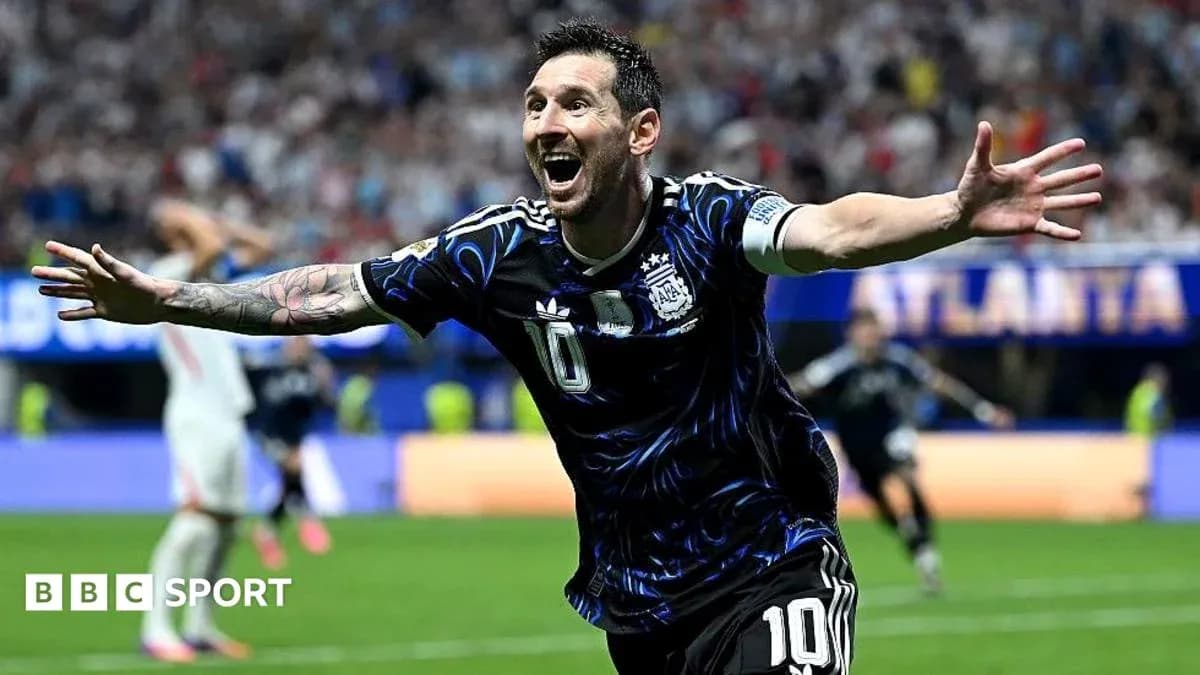
In every top-flight match across the country, play will halt in the 10th minute for a full minute of applause in honour of Lionel Messi, the number 10 who defined an era and has now stepped away from international football for good.
The gesture, confirmed by the Argentine Football Association, is simple and symbolic. Referees will blow their whistles, the ball will rest, and stadiums will rise to salute the 39-year-old who carried a nation’s hopes for nearly two decades.
A Farewell to Argentina’s Number 10
Messi announced his retirement from the national team on Monday, closing a chapter that began with a 63rd-minute substitute appearance in a friendly against Hungary back in 2005 and ended on the grandest stage of all: the 2026 World Cup final.
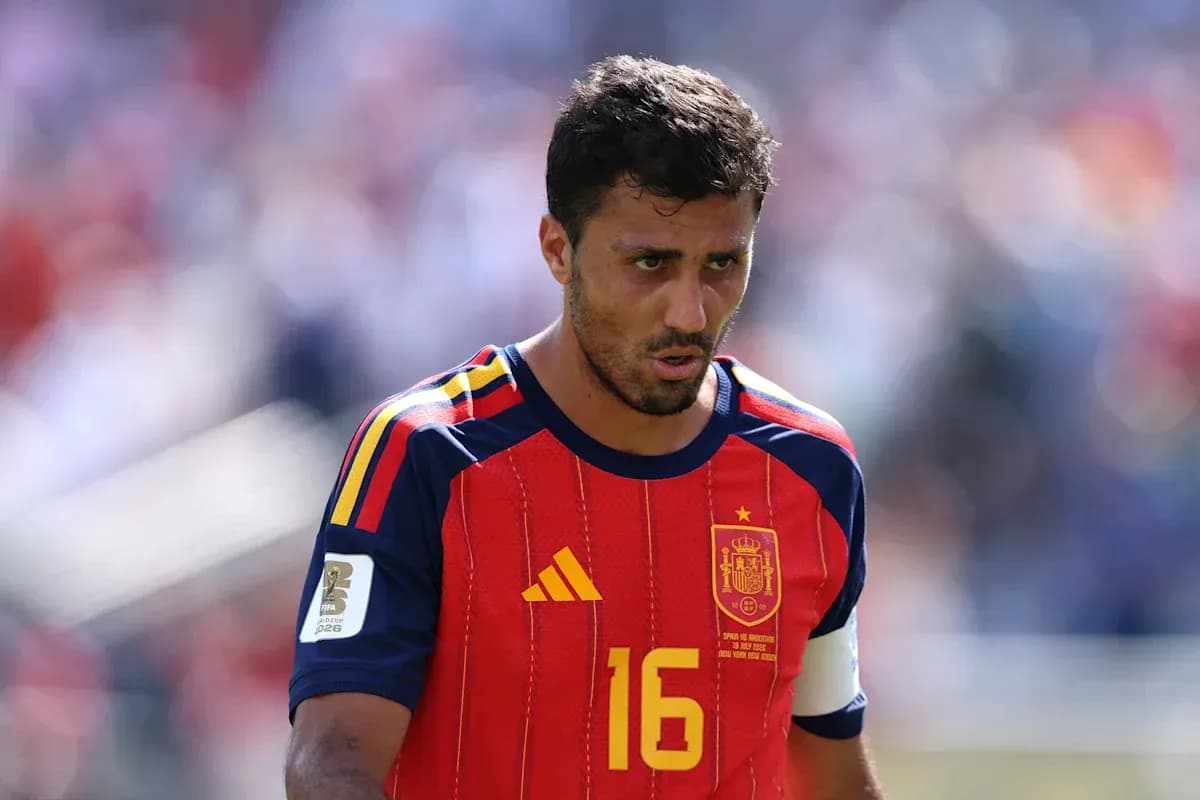
His last act in an Argentina shirt came in July, in a World Cup final defeat to Spain. Four years earlier in Qatar, he had climbed the mountain, lifting the World Cup as captain in 2022 to finally end his country’s long wait since 1986. This time, he walked away with the pain of a final lost, but with his legacy beyond dispute.
The AFA’s statement captured the mood of a country that long ago adopted him as something more than a footballer: “In tribute and homage to Lionel Messi's career with the Argentina national team, at the 10th minute of play in all matches the referees will stop the game and a general minute of applause will be held. We look forward to seeing you on the fields – join us in this recognition!”
From Heartbreak to Glory
Messi’s relationship with the Albiceleste has not always been framed by applause.
He first retired from international duty in 2016, shattered after a Copa America final defeat by Chile. That night, he missed in the penalty shootout as Argentina lost a fourth major final in nine years. In the raw aftermath, he walked away, exhausted by the weight of expectation and failure.
He came back. And everything changed.
On his return, he would go on to win two Copa America titles and, ultimately, the World Cup, dragging Argentina out of its long cycle of near-misses. Along the way, he became his country’s record appearance holder with 207 caps and its all-time leading scorer with 125 goals.
Only Cristiano Ronaldo, with 146, has scored more in men’s international football. Only Kylian Mbappé has more World Cup goals, edging Messi 22 to 21. The numbers tell one story. The emotion in Argentina tells another.
A Legend Who Never Played at Home
For all that Messi has come to symbolise Argentina, there is a striking quirk to his career: he has never played senior club football in his homeland.
He left as a 13-year-old for Barcelona’s La Masia academy, a boy chasing a dream and treatment for a growth hormone deficiency. From there, he became the face of Barcelona, then Paris, and now Inter Miami. Yet he never wore the shirt of a club in Rosario or Buenos Aires in a professional match.
That disconnect never stopped Argentina from claiming him. The World Cup in Qatar sealed that bond. The tribute this weekend underlines it.
A Career Framed by Loss and Resolve
The final phase of Messi’s international journey has been shadowed by personal loss. In August, he revealed he was weighing up his future in the game after the death of his father, Jorge, who died at 68 following a long illness.
When he finally announced his retirement from international football, he made it clear that this was not a decision taken lightly or in haste. His father’s death, he said, left him “even more convinced than before” that stepping away from the national team was the right choice.
He has not, though, stepped away from the sport entirely. Messi will continue his club career in Major League Soccer with Inter Miami, where his contract runs until the end of the 2028 season. The world will still see him with a ball at his feet; Argentina simply won’t see him in sky blue and white again.
So this weekend, in the 10th minute, a country pauses.
Not for a goal, not for a VAR check, not for a protest.
For applause. For a number. For a player who turned that number into a symbol and, in doing so, changed what Argentina believed was possible.