Aryna Sabalenka: Ready for a Fight at the U.S. Open
NEW YORK — Scroll Aryna Sabalenka’s Instagram and you’d swear this was the best stretch of her life.
Designer dresses in sun‑splashed cities. Bikini shots from quiet corners of the world. A season spliced with photo shoots and Greek getaways with her fiancé. Life, at least online, looks effortless.
On court, it’s anything but.
The world No. 1 has not been past the fourth round in her recent events and arrives at the U.S. Open looking nothing like a woman on the brink of a three‑peat in New York. Not since Serena Williams from 2012 to 2014 has anyone managed that. Sabalenka, for now, doesn’t resemble that kind of inevitability.
She doesn’t sound rattled, though. She sounds ready for a fight.
Asked what’s wrong with her game, she fired back: “Maybe there’s something wrong with people.”
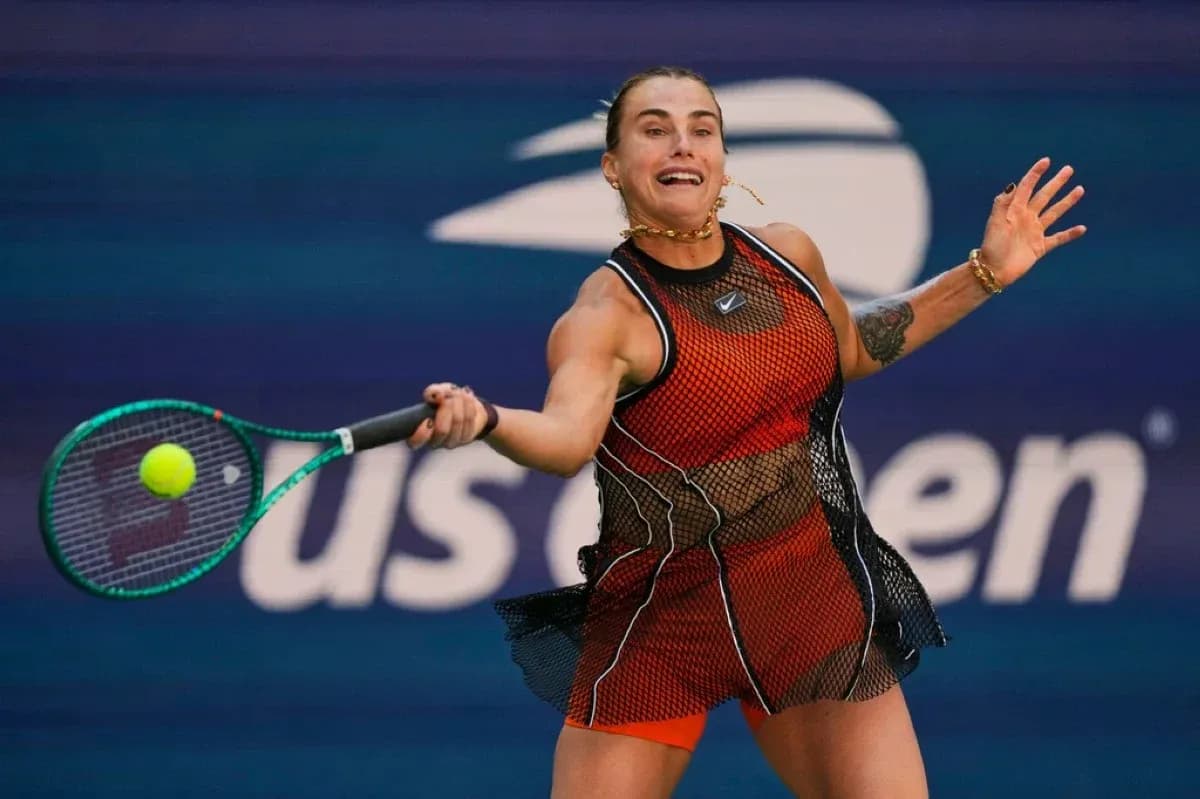
Criticism of her black, mesh‑covered outfit in New York? Brushed off just as quickly. “Who cares about people, right? All matters for me is that I love it.”
The defiance is familiar. So is the volatility.
At the start of the year, Sabalenka looked set for a monster season. She reached the Australian Open final, losing to Elena Rybakina, then ripped through the hard‑court swing with back‑to‑back titles at Indian Wells and Miami. The blueprint was clear: big courts, big stages, big power. Her territory.
Even a fourth‑round exit at Wimbledon, taken by Naomi Osaka, didn’t sound the alarm. The assumption across the tour was simple: back to North America, back to hard courts, back to business.
Instead, the slide began.
She fell in the fourth round in Toronto to Ekaterina Alexandrova. Then came Cincinnati, and it was the old Sabalenka again — the one who used to rage at herself, the one whose game could unravel in a handful of points. She blew leads in both sets and lost to Sara Bejlek, frustration etched across her face.
Something was off. She wouldn’t say exactly what.
“It wasn’t the best period. I don’t want to defend myself, but obviously I just don’t want to talk about that period. I’ve been dealing with several things,” Sabalenka said.
She left it there, then pivoted to what she knows best: resolve.
“Yeah, I didn’t perform my best. These tough lessons are definitely going to make me way, way stronger and working even harder. I work on my mental side of the game. I was trying to reset my mind and to come back stronger, so it’s only going to make me stronger. It’s only a matter of time for me to come back.”
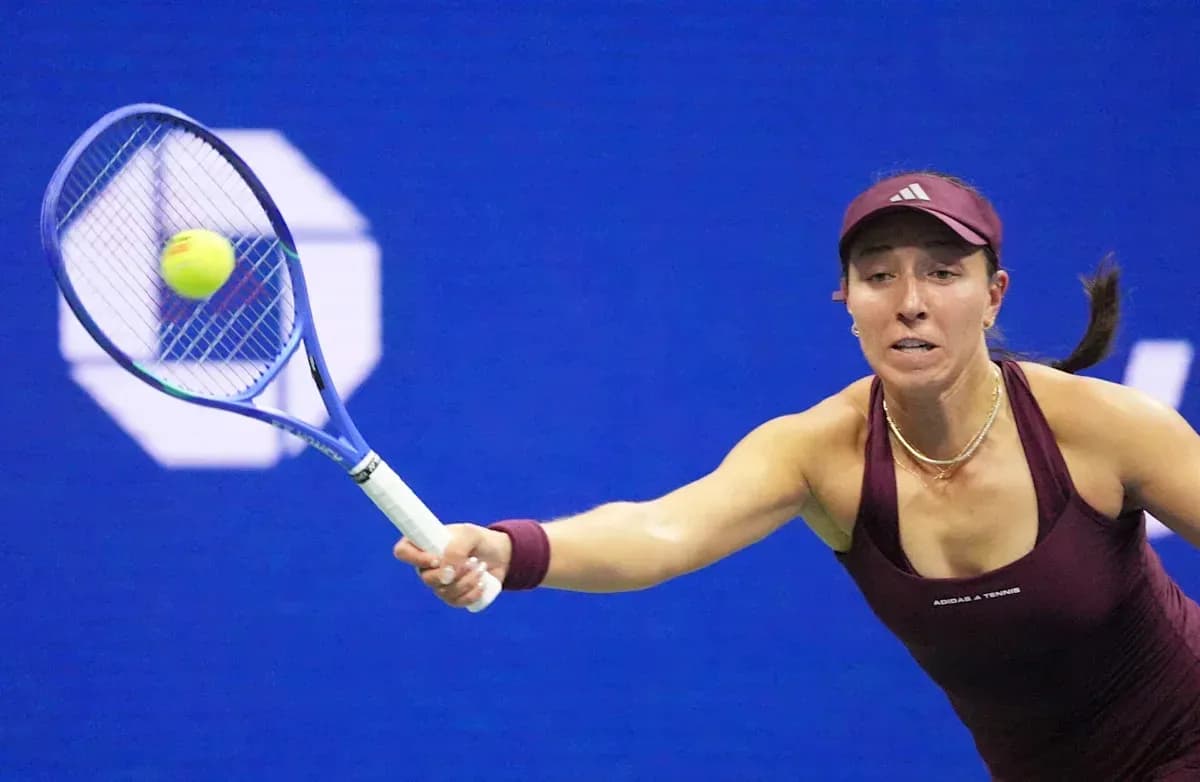
New York has often been the place where that kind of promise turns real for her. She claimed her first U.S. Open title in 2024, beating Jessica Pegula in the final, and backed it up last year by defeating Amanda Anisimova in the championship match. Under the lights, with noise swirling and pressure spiking, Sabalenka has usually found a way to lean into the chaos.
This time, the stakes cut a little deeper. The No. 1 ranking, once a fortress, now feels fragile. Rybakina is pushing. Pegula is closing. A shallow run in Queens and Sabalenka’s grip on the top spot loosens dramatically.
Off the court, that status has already paid out. Endorsement deals. High‑gloss campaigns. Trips midseason to places most players only see in the off‑season. All of it documented, all of it dissected.
To some, it’s a sign she’s enjoying the lifestyle more than the grind. To Paula Badosa, one of her closest friends on tour and a regular in those photos, that narrative misses the mark.
“She’s still No. 1 in the world. So I think the results are there,” Badosa said.
“Of course, everyone is going to expect for her to win every tournament. That’s very, very difficult. And at the moment, that one player is not winning what they expected. Of course, they’re saying that it’s because of the photo shoots or the TikToks and all this stuff, and I’m not going to lie, she’s been doing that since she was maybe out of the top 100. And when she was winning, nobody says anything, you know? And when she loses a couple of matches, it’s because of that. I think it’s none of it.”
The tension between perception and reality has become part of Sabalenka’s story. To some, she’s the player who can’t quite sustain her peaks. To others, she’s the most dangerous hitter in the women’s game, one good week away from reminding everyone why she climbed to No. 1 in the first place.
She leans into the second version.
“Well, that’s the beauty of the sport,” she said. “Throw tough challenges at me, I will come back only stronger.”
New York is about to decide whether that’s just a line — or the start of her next hard‑court storm.