Brighton’s High-Press Revolution Humiliates Arsenal
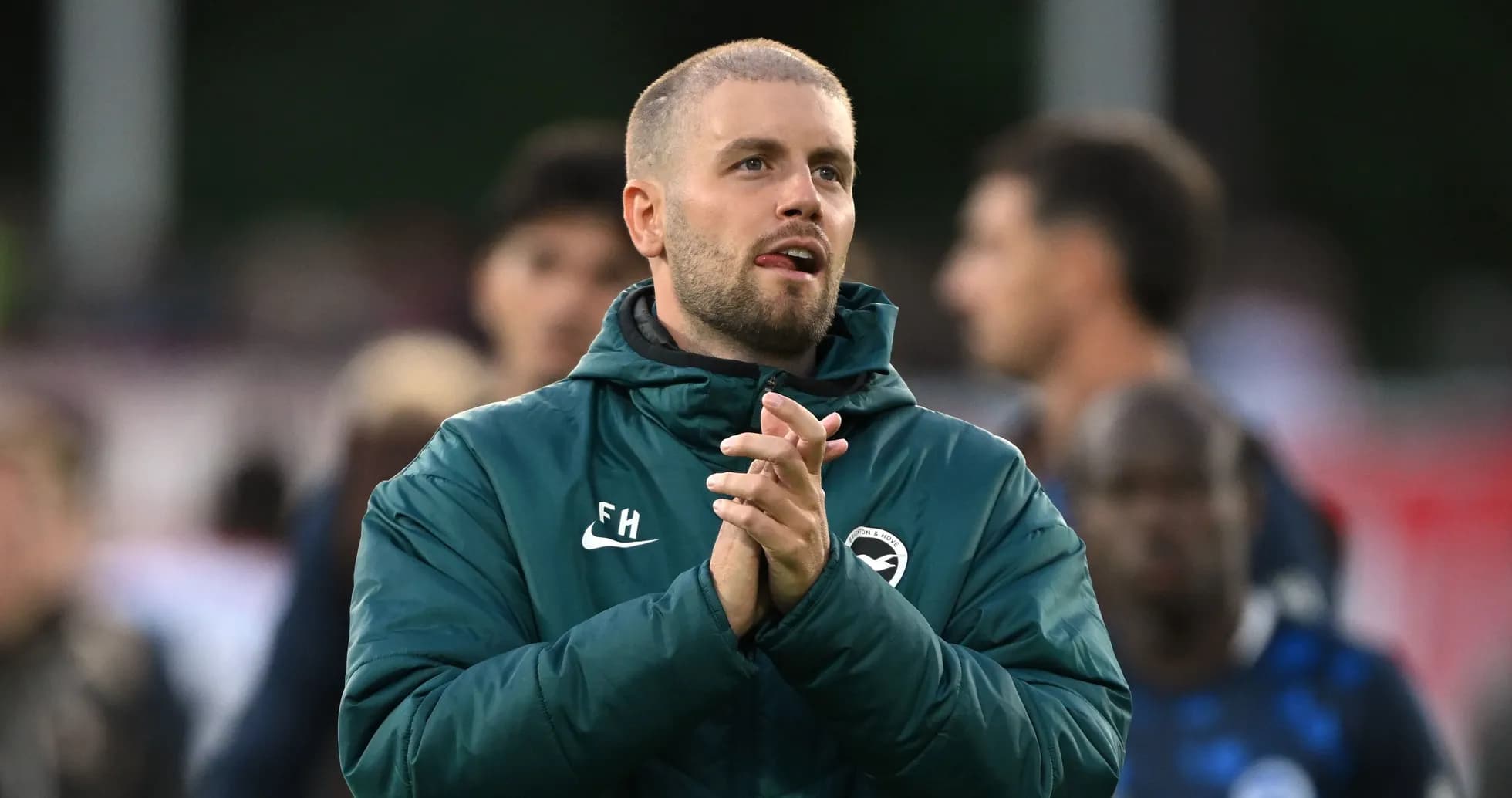
Six months ago, Fabian Hürzeler walked into a press room and lit a fuse.
"There was only one team today that tried to play football," he snapped after a narrow 1-0 defeat to Arsenal in early March. His Brighton side had outplayed the league leaders on almost every metric, yet left with nothing but a Bukayo Saka sucker punch and a goalkeeper’s mistake to show for it.
The numbers backed him. The result did not. Back then, his words sounded like defiance. On Saturday, they looked like prophecy.
From theory to demolition
Fast forward to the Falmer Stadium. Same opponent. Very different story.
Brighton 3, Arsenal 0.
The previously unbeaten leaders taken apart, not by luck or a freakish finishing spree, but by a tactical plan executed with almost brutal clarity.
From the first whistle, Brighton didn’t just press Arsenal. They hunted them.
The front line chased the Gunners’ defenders as deep as their own penalty area. Simple passing lanes vanished. The man on the ball was repeatedly swarmed by two, sometimes three blue shirts. When Arsenal tried to escape with long balls, Brighton’s positioning swallowed them up and sent the game straight back at Mikel Arteta’s side.
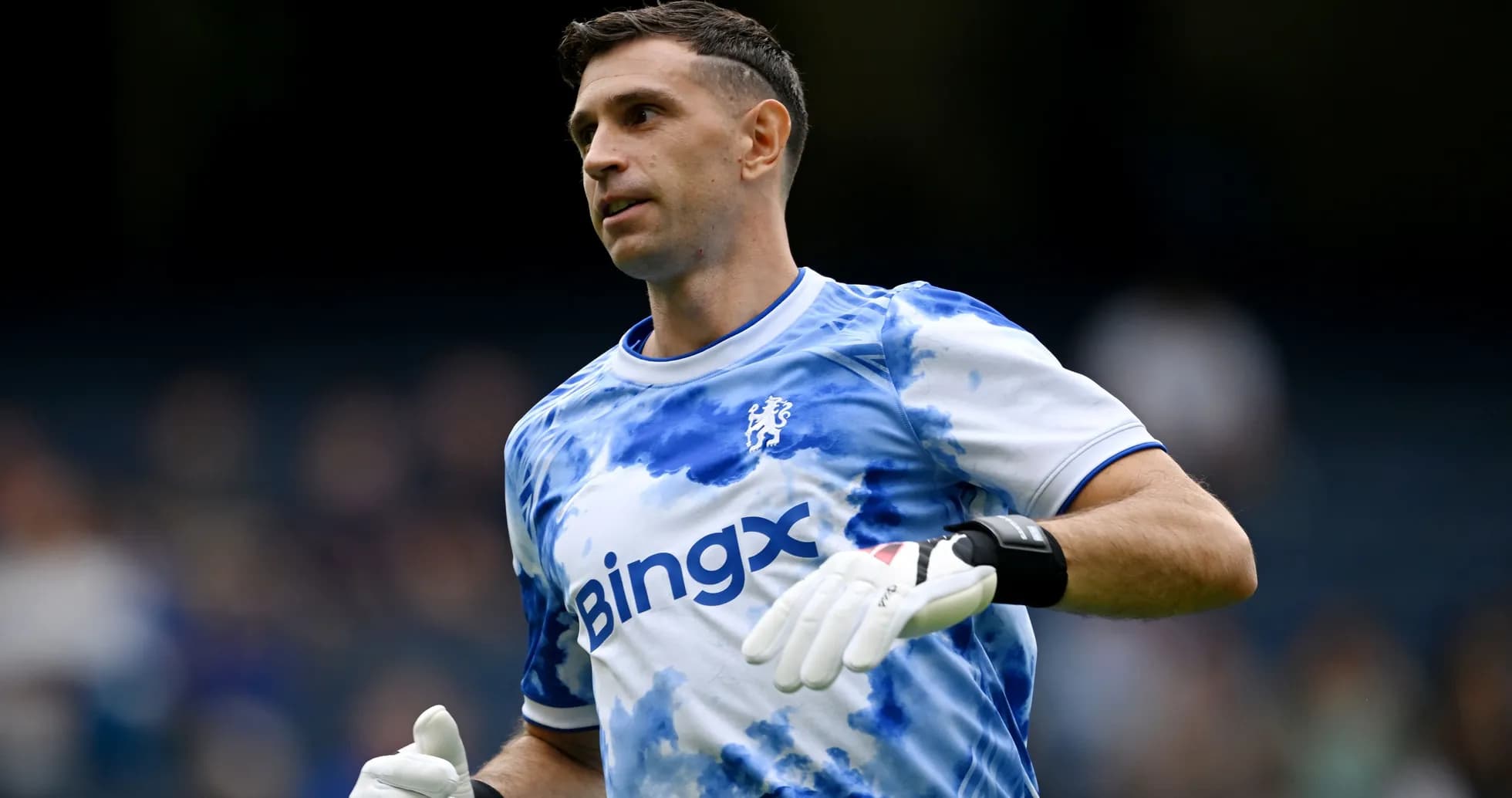
David Raya felt it first. In the opening 15 minutes, the Arsenal goalkeeper misplaced three of his seven passes, forced into risky decisions as Brighton overloaded the centre and marked full-backs Jurrien Timber and Riccardo Calafiori into near-irrelevance. The “easy” out-balls were gone. What remained were hopeful clips into midfield that Brighton eagerly devoured.
By the end, Brighton had registered nine regains in the final third – the highest tally by any Arsenal opponent since Liverpool did the same in December 2023. Across the season so far, they have 35 such high regains, eight more than Everton, the next-best Premier League side in that category.
This is not chaos. It is choreographed aggression.
“What was decisive was that every player, when he went into a duel, always had the feeling that one of his team-mates was behind him,” Hürzeler said afterwards, barely disguising his satisfaction. “If one player was beaten, the next was there.”
Trust. Roles. Constant alertness. Those were the themes he hammered home. His players delivered all three.
The evolution of a risky idea
When Brighton handed a five-year contract to a 33-year-old coach in the summer of 2024, they did so knowing the ride would be bumpy. The early weeks proved them right. A fragile back line, exposed by technically superior opponents, took some heavy hits.
Hürzeler refused to blink. He kept the front-foot ideas, sharpened the structure behind them and quietly rebuilt the spine.
The balance is now unmistakable. In eight competitive matches this season, Brighton have already kept five clean sheets. It took them twice as many games to reach that mark last year. “The most important thing is not to concede any goals at the back,” Hürzeler said, and his team are starting to live that mantra without sacrificing their attacking verve.
The numbers at the other end are just as startling. After five league games, Brighton own the best attack in the division with 16 goals. Only Manchester City in 2022/23 have ever scored more at this stage of a Premier League campaign, with 19.
The theory that once sounded bold now looks like a blueprint.
The right pieces in the right places
That transformation has not happened by accident. It has come window by window, signing by signing.
Chema Andres, brought in from VfB Stuttgart shortly before the transfer deadline, looks built for this system. Just under two metres tall, strong in the tackle, mobile enough to cover ground – he is the ideal player to hoover up the long balls forced by Brighton’s press and to guard against the counters when the first wave doesn’t quite bite.
Luka Vuskovic, signed from Tottenham Hotspur for €55 million in the summer, has wasted no time becoming an undisputed starter. His composure and physicality have helped turn that once-porous back line into something far more secure.
And then there is Pascal Groß.
Cast aside at Borussia Dortmund, the 35-year-old has found a second footballing life on the south coast. Under his compatriot, he has become the brain and heartbeat of this Brighton side. After five matchdays, he leads the Premier League scoring charts with three goals and four assists, sitting above names like Erling Haaland and Florian Wirtz.
Against Arsenal, he set the tone again. Groß struck the opener on 31 minutes, then later delivered the assist for Chema’s goal that sealed the 3-0 scoreline in the 57th minute. His influence, though, stretches well beyond the numbers.
“I feel very good, very comfortable. It's a good mixture of fitness, experience and the work with Fabian Hürzeler, a coach who uses me in a way that allows my strengths to come to the fore,” Groß told kicker recently. He spoke of the pressing, the high regains, the sheer volume of chances this Brighton side now creates. He is not just thriving in the system; he is amplifying it.
Hürzeler’s verdict on his veteran playmaker was telling: “He is like good wine. The older he gets, the better he becomes.” On the training ground, the coach sees the unquantifiable – the way Groß binds a squad full of different nationalities, the way he manages the dressing-room dynamics that can make or break a high-intensity project.
Some players run a system. Groß seems to hold it together.
From feud to respect
All of this framed a rematch loaded with subtext. Back in March, Hürzeler had publicly questioned the way Arsenal win, the aesthetics of their football, the joy – or lack of it – for the neutral. Arteta responded with sarcasm and a thinly veiled dismissal.
This time, the tone was very different.
Brighton climbed to third in the table with this third league win of the season. The home crowd roared, but their coach stayed away from the fireworks. He did not need them. His football had done the talking.
Arsenal, by contrast, had no real answer across the 90 minutes. Their possession game never settled, their patterns never flowed. The press that Arteta once used to suffocate opponents now suffocated his own side.
“From the very first throw-in,” the Spaniard admitted, he realised how extreme Brighton’s pressing would be. He spoke of technical errors in his own half, of his players failing to follow the principles needed to escape man-against-man pressure. “We were constantly defending,” he said, a sentence that would have been unthinkable for Arsenal in recent months.
Arteta did something else too: he extended an olive branch.
“I am here to give my opinion, to stand up for my club and to get the best out of my players. What happened is over. That is in the past. I have enormous respect for Fabian and for what he has achieved. What Brighton as a club are doing under him is simply remarkable,” he said.
A feud that started with barbs ended with admiration.
A project that suddenly feels very real
Brighton under Hürzeler are no longer just an intriguing tactical experiment or a plucky side punching above their weight. They are organised, ruthless and increasingly hard to play against. They press like a top European side, they score like one, and they now defend like one too.
The club bet on a young coach with a long contract and a demanding idea of how the game should be played. After nights like this, that bet looks less like a gamble and more like a plan coming sharply into focus.
If this is only the beginning, the real question is not whether Brighton can keep up with the Premier League’s elite.
It is how far this high-pressing, fearless version of Brighton & Hove Albion can drag the elite towards them.