Brighton & Hove Albion: From Survival to European Ambitions
There was a time when Brighton & Hove Albion were fighting not for promotion or European nights, but for their very life.
Around the turn of the century, the club drifted without a home, without money, and at times without much hope. The Goldstone Ground had gone. Gillingham provided a temporary refuge, then came the makeshift existence at the Withdean Stadium – an athletics track dressed up as a football ground, functional but soulless, a reminder every other Saturday of how far the club had fallen.
From that backdrop of survival and scraped-together budgets, the Brighton of today looks almost unrecognisable.
From marches on the seafront to a place in Europe
Mark McGhee saw a chunk of that transformation from the inside. The Scot, back in the city to help launch the “Brighton & Hove Albion: Stand or Fall” gallery as the club marks its 125th anniversary, remembers the battle lines clearly: campaigning, lobbying, pleading for a future.
“We got the permission,” he recalls of the long fight for a new home, crediting then-chairman Dick Knight and his relentless seafront marches. McGhee was out there too, speaking at lectures, pushing the case that Brighton needed and deserved a stadium of its own.
Permission eventually came. The problem then was simpler and crueller: they had the green light, but no realistic way of paying to build it.
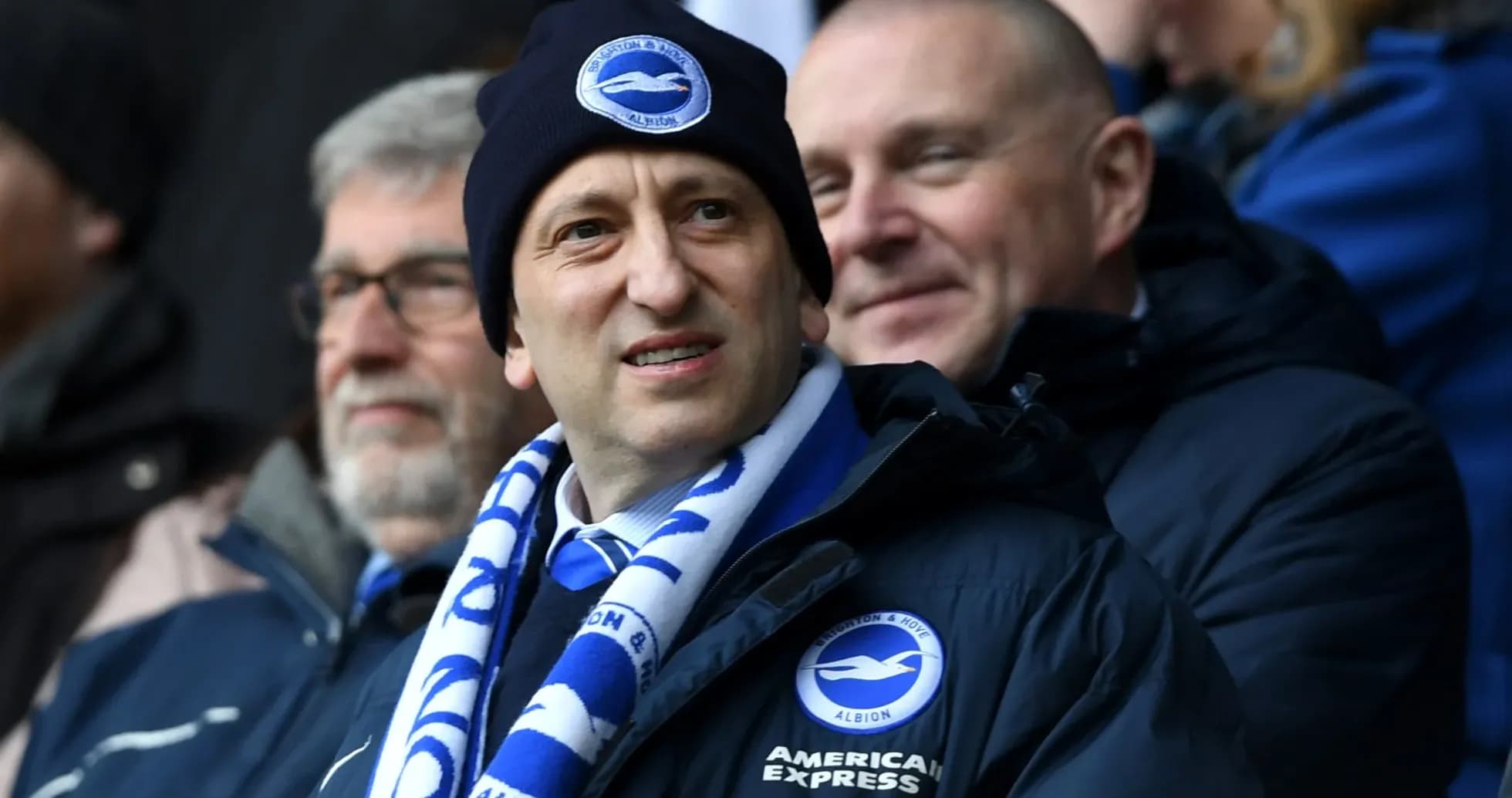
That is when Tony Bloom stepped out of the shadows.
Bloom’s vision, far beyond bricks and mortar
Bloom, a lifelong supporter with deep family roots in the club, arrived in 2009. At first, many assumed he would “only” fund the stadium. That alone would have made him a saviour. They had no idea.
“They didn't realise what he was bringing with him, in terms of his ambition and his vision,” McGhee says. The Amex Stadium was just the start. Bloom pushed for an elite training ground, modern infrastructure, and a structure that could sustain a climb through the divisions, not just a return to the status quo.
The ascent was swift and ruthless. From League One to the Premier League in seven seasons. Nine straight years in the top flight. Now, another step: a return to European competition, this time in the Conference League, a stage that would have sounded like fantasy when the club were scratching around for transfer funds and stadium drawings two decades ago.
A family club, driven by a “mathematical wizard”
Bloom’s story intertwines with Brighton’s at every turn. McGhee has watched it unfold at close quarters, often via another familiar figure.
“I regularly see Ray Bloom, his uncle, who was a director when I was a manager,” McGhee explains. Friday lunches with Ray and Dick Knight at Topolino’s in Brighton became a ritual. Over plates of pasta, Ray would talk about his “genius young nephew” – a mathematical prodigy, a sports gambler and poker player with an extraordinary feel for numbers and risk.
“So I'd heard of Tony as a kid, long before I realised what he'd become,” McGhee says. The Bloom name runs deep at the club. The Harry Bloom lounge at the Amex, where McGhee recently lunched before the game against Aston Villa, is another reminder that this is not just a business venture. It is a family legacy.
“So, he's as much, I'm sure, done this for his family as he has for the Brighton public.”
From survival to silverware ambitions
Brighton’s honours list is modest but proud: titles in the third and fourth tiers, a Community Shield, runners-up in the 1983 FA Cup. The club now carries itself with the intent of adding something more substantial to that collection.
McGhee is clear about Bloom’s motivation.
“I think that Tony's not in this to be a generous benefactor. I think he wants to win stuff, and he's putting things in place to create a team that can.”
This is no vanity project. It is a calculated push for trophies. McGhee believes Brighton now have a live shot at silverware every season in the domestic cups and, this year, in Europe.
“I don't think they have a chance of winning the Premier League,” he says, bluntly. But the FA Cup? The League Cup? A European run with “a fair wind and a good draw”? Those feel like logical steps, not wild dreams. “I think that is the inevitable progression.”
A club’s story, told in glass and memory
The new permanent gallery at Brighton Museum & Art Gallery, opened on August 15, captures that journey in full. “Stand or Fall” is more than a slogan; it is a lived experience. The exhibition pulls together iconic objects, treasured memorabilia, archive material, film and personal stories to chart 125 years of a club that has refused to go quietly.
Visitors walk through the triumphs and the traumas, the promotions and near-extinctions, the days at the Goldstone and the nomadic years that followed. It underlines one thing: Brighton & Hove Albion have always found a way to endure.
New tests, new horizons
Now comes another phase. Manchester United await in the Carabao Cup third round, an early-season gauge of Brighton’s depth and nerve. In the Conference League, ties against Panathinaikos and Getafe will test their European credentials and their ability to juggle the demands of Thursday-Sunday football.
Recent history offers a roadmap. West Ham, Chelsea and even arch-rivals Crystal Palace have all tasted European success or deep runs from similar platforms. Brighton will look at those examples and see opportunity, not intimidation.
From Withdean’s temporary stands to continental nights under the Amex lights, the club have already redrawn what is possible on the south coast. The question now is not whether Brighton belong on these stages.
It is how far Tony Bloom’s vision can carry them before the next piece of silverware finally finds its way into their hands.