Carlos Alcaraz: The Champion's Comeback at the US Open
Carlos Alcaraz walks back into New York with seven majors to his name and one stubborn question still echoing in his head: when would the wrist finally let him be himself again?
For months, that answer refused to come. The physical pain was one thing. The silence around a return date was something else entirely.
The champion who had to wait
Alcaraz, 23, has not played a singles match since mid-April. For a player who thrives on rhythm, on repetition, on the certainty of competition, the calendar turned into an opponent he couldn’t hit through.
“Once I started to practice a little bit but didn't know when I'm going to [return], those thoughts were really difficult to deal with,” he admitted. Cincinnati? The US Open? The entire American swing gone? Each possibility became another “intrusive thought” he had to fight off.
The wait is over now. The US Open starts on Sunday, and last year’s champion at Flushing Meadows says he feels “great” as he prepares to defend his title.
The draw has given him a serious opening test. Roman Safiullin, heavy off the ground and unafraid to trade, will ask the most obvious question: how sharp can Alcaraz be after four months without a singles match?
A comeback under the lights
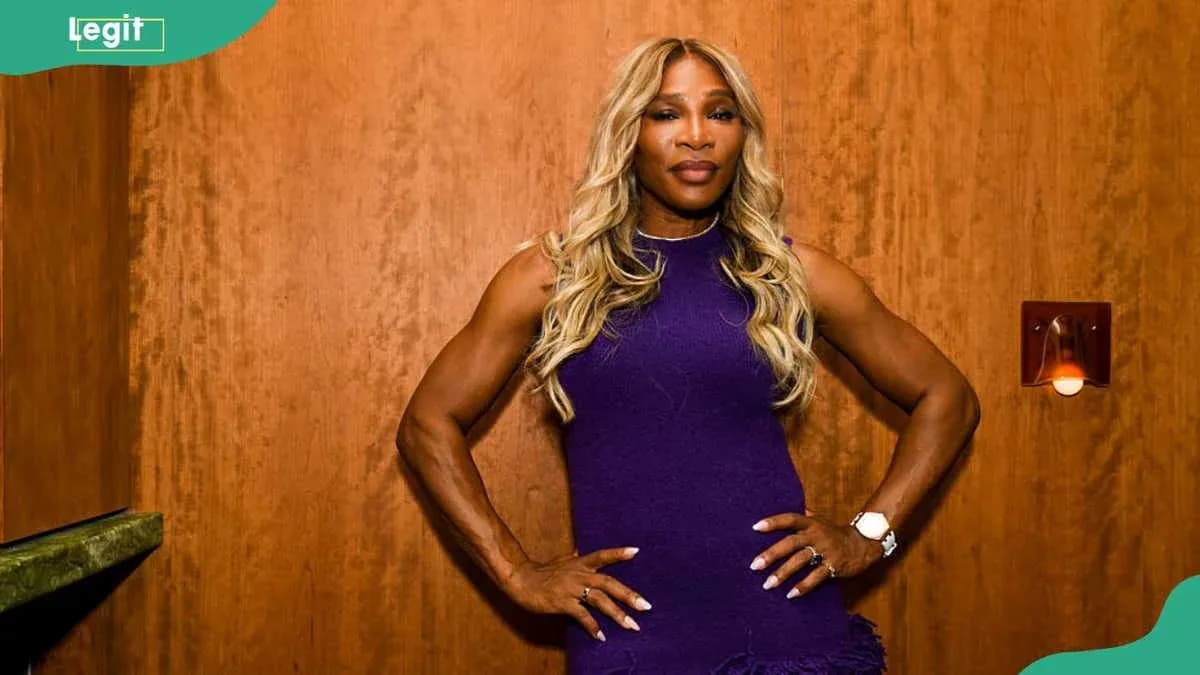
He has at least felt the buzz of a match court again. Earlier this week, Alcaraz stepped back into the New York glare alongside 23-time Grand Slam singles champion Serena Williams in the mixed doubles event. It was a soft landing in competitive terms, but a loud reminder of where he is and what’s at stake.
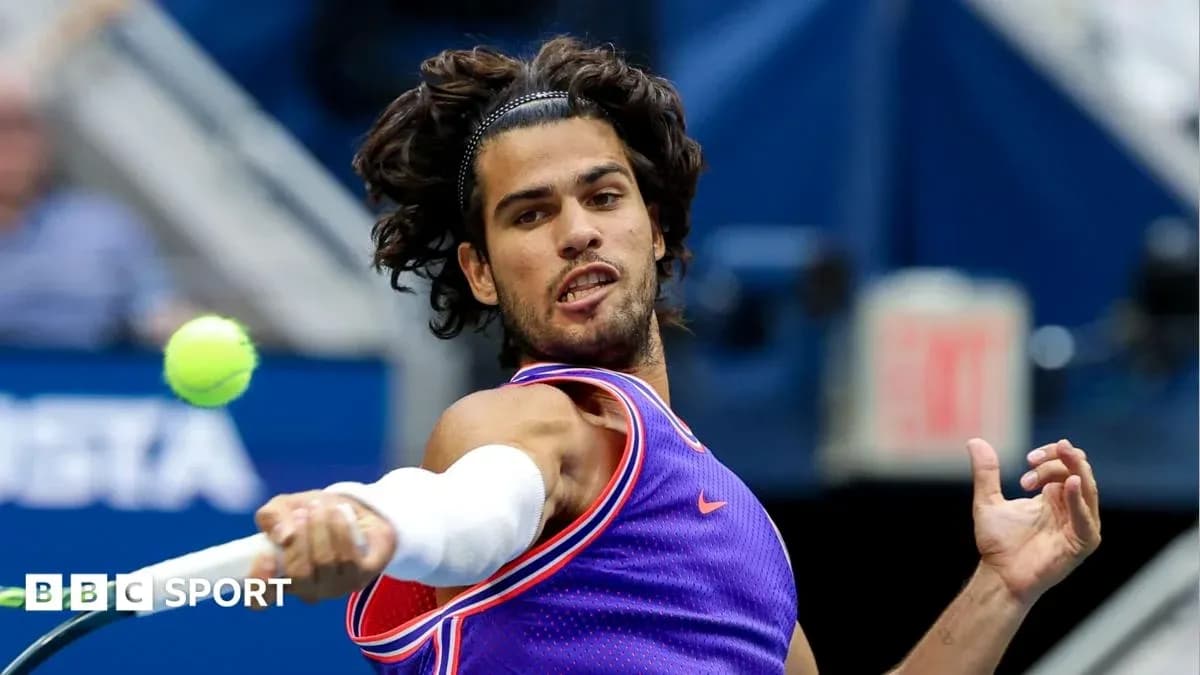
Look closer, though, and the reality of the last few months is still there. The compression sleeve on his playing arm is not for show. It is a visible concession to a wrist that has dictated his year.
Wrist injuries spook tennis players for a reason. The joint is small, the forces huge, the margin for miscalculation tiny. Rush back, and the cost can be brutal.
In Alcaraz’s case, the issue is understood to be tenosynovitis: inflammation of the sheath that protects the tendon on the inside of the wrist. For a player who rips his forehand with violent acceleration and extreme racket-head speed, that tendon absorbs a punishing workload every time he unloads.
Patience, not power, became the priority.
Trust, fear, and five sets
Now comes the real test: five-set tennis at the sharp end of the sport. Alcaraz will be seeded second in New York despite his long lay-off, the ranking a reminder of what he has already done here — titles in 2022 and 2025 — and of the standards he has set.
He knows the preparation has not been ideal.
“It's really challenging. Probably, you know, in terms of preparation and everything, it is not the best time,” he said. Then he cut to the point: “But we, my team and me, believe that I'm ready.”
Belief is doing a lot of heavy lifting in this comeback. He talks about trust almost as much as he talks about the wrist itself.
“I've got to trust my team, I've got to trust my people that tell me it's going be fine. I just have to go 100%, and right now I think with the practices I have done so far, it's been all good.”
The fear is there, of course. Fear of a twinge on a wide forehand. Fear of a sudden grab in the joint on a late contact. Fear of one wrong swing undoing months of careful rehab.
He’s trying to shut that out.
“I'm trying to stay away from any fear and I'm playing normal,” he said.
Normal, for Alcaraz in New York, means something close to unstoppable. The stadium suits his flair, the chaos suits his courage, the occasion suits his game. Now the question is brutally simple: will the wrist, and the mind that’s had to live with it, let him be that player again when the lights go up and the first forehand really has to fly?