Djokovic’s Influence on Next Generation of Tennis
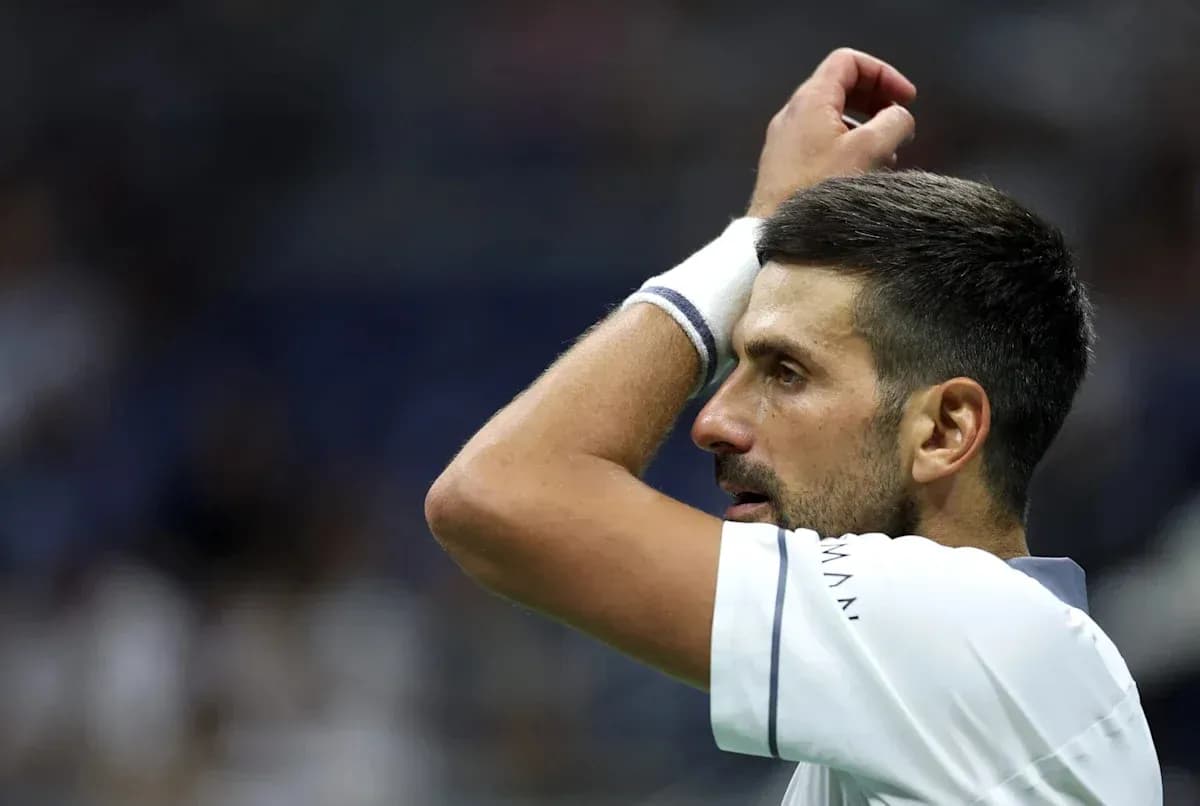
Novak Djokovic has spent two decades bending men’s tennis to his will. Even now, at 39, with his peak years in the rear-view mirror, he is still trading blows with players young enough to have grown up watching his highlight reels rather than sharing his locker room.
He is still beating them, too. He owns a win over Jannik Sinner in 2026 and pushed Carlos Alcaraz to the brink in an Australian Open final that underlined how stubbornly he refuses to fade. The results keep feeding his legend. So do his words—though the latest have stirred up a storm he probably did not intend.
Djokovic’s claim on the next generation
In a clip from Kevin Hart’s podcast, Djokovic spoke candidly about his place in the sport and the rise of Alcaraz and Sinner. He suggested that both young stars have, in part, modelled their games on his, pointing to his influence on how modern tennis is played.
This was not framed as a put‑down. Djokovic’s tone, in the snippet released, was one of pride: a champion surveying the landscape and seeing traces of his own blueprint in the players now carrying the torch. To him, it was a reflection of legacy, not a challenge to their originality.
With Sinner, the comparison has some traction. The Italian’s relentless baseline pressure, depth on both wings and elastic movement echo traits that defined Djokovic at his most suffocating. The idea that Sinner’s all‑court solidity owes something to the era Djokovic helped shape is, for many, an understandable line to draw.
The Alcaraz link, though, is where the debate has flared.
Backlash over the Alcaraz comparison
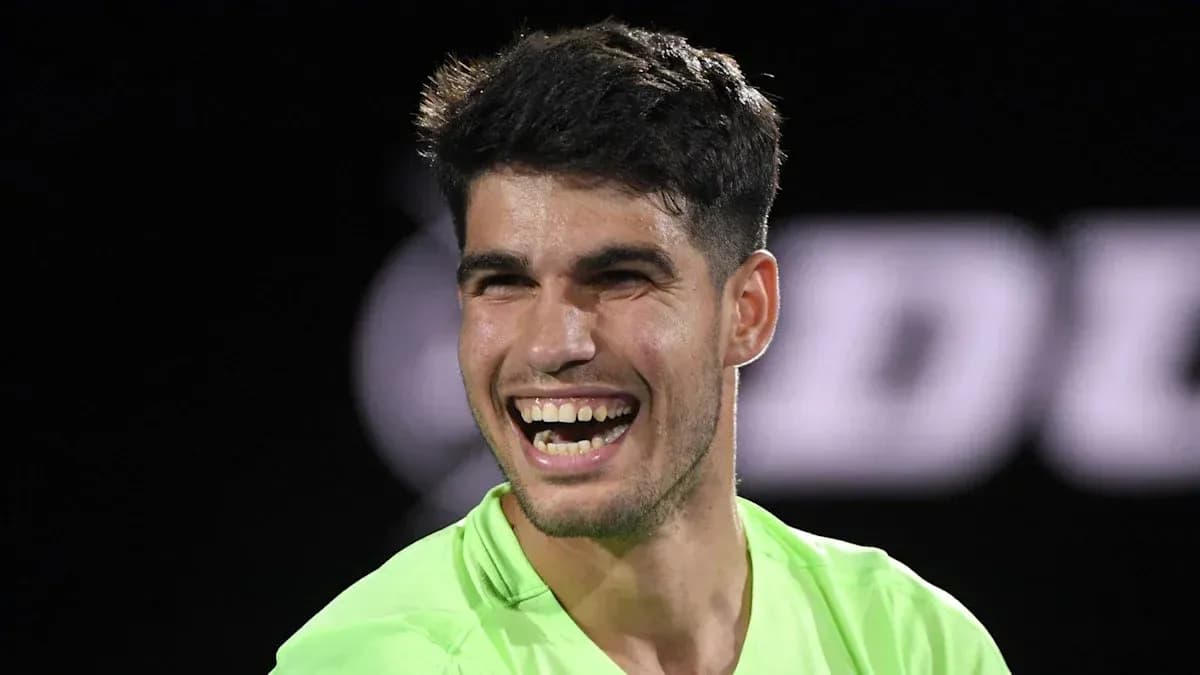
Once the comments surfaced, social media did the rest. The suggestion that Carlos Alcaraz—whose game fuses explosive athleticism, heavy forehands, daring drop shots and improvisation at the net—had “copied” Djokovic struck a nerve with a section of fans.
One supporter on X captured the disbelief, writing: “I'm genuinely lost for words at this point. I'm being totally serious here. I don't know what to say.”
That reaction speaks to how fiercely Alcaraz’s individuality is guarded by his followers. They see a player who blends elements from multiple eras, a kind of hybrid of clay‑court artistry and hard‑court aggression, and they bristle at the idea that his style can be traced cleanly back to one man—no matter how decorated that man is.
Djokovic, for his part, was not dismissing the Spaniard’s talent or originality. He was staking a claim to influence, arguing that his own success has helped shape the tactical and physical standards that Alcaraz and Sinner now meet and sometimes exceed.
Yet influence is a delicate subject in a sport that thrives on generational change. The line between acknowledging a legacy and appearing to take ownership of someone else’s game is thin. Djokovic has spent his career walking tightropes—between adoration and hostility, dominance and defiance. Now, as he navigates the late chapters of his career, even his reflections on the next wave can ignite argument.
What is not in dispute is this: at 39, with rivals almost half his age and trophies still within reach, Djokovic remains at the centre of tennis’ most heated conversations. Even when the ball is not in play.