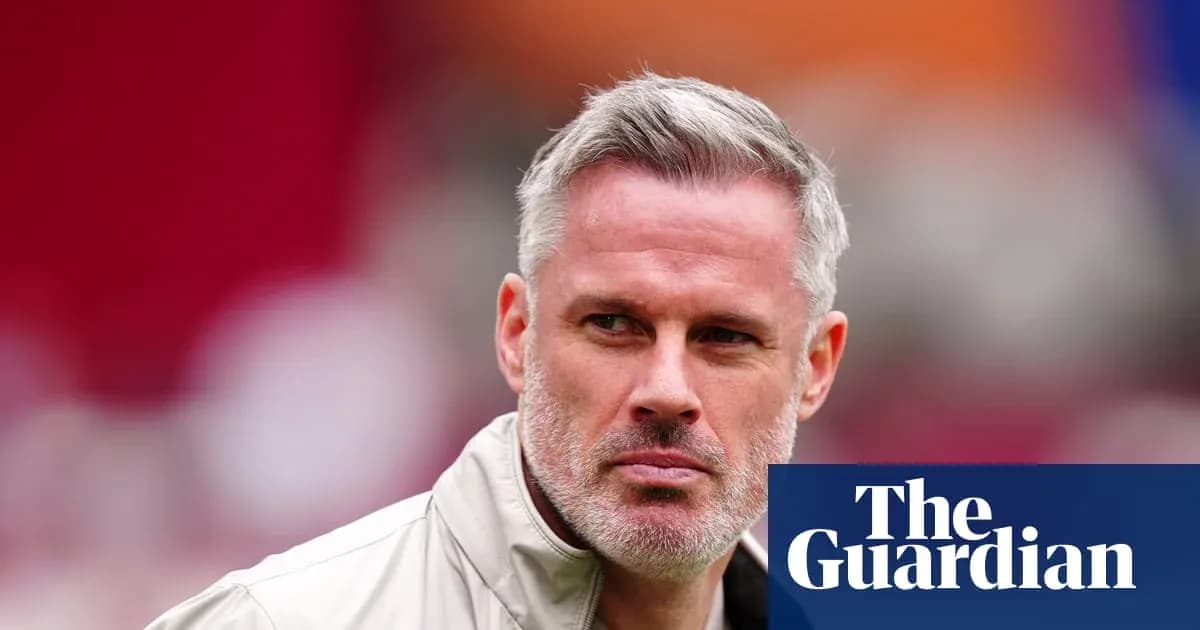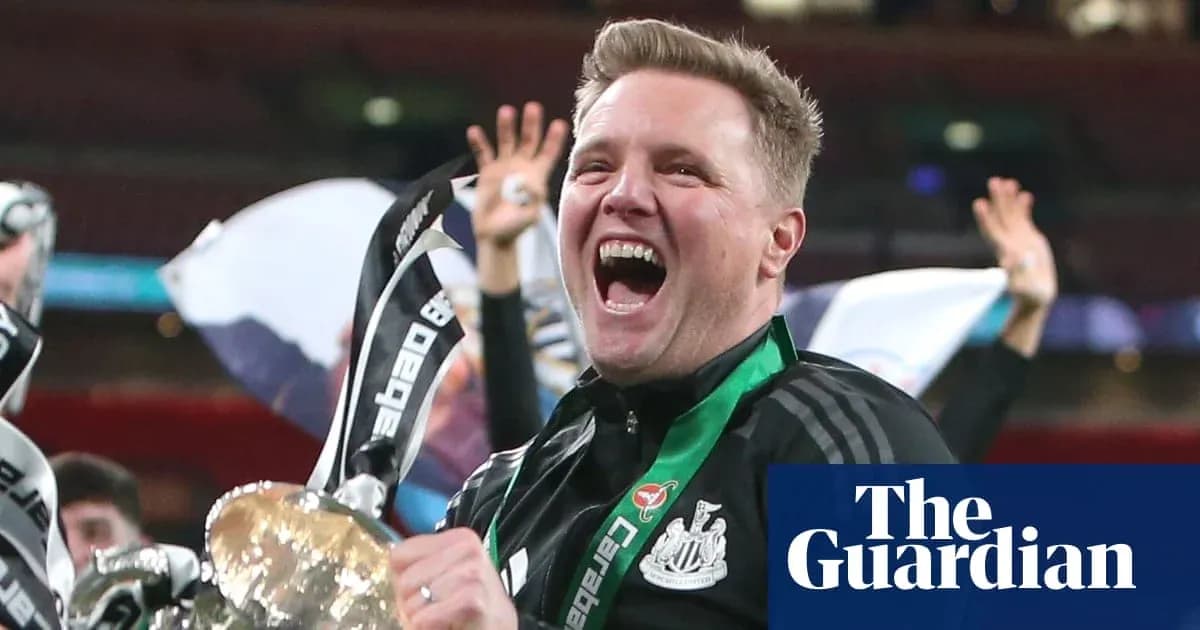
Eddie Howe Emerges as Top Choice to Replace Michael Carrick at Manchester United
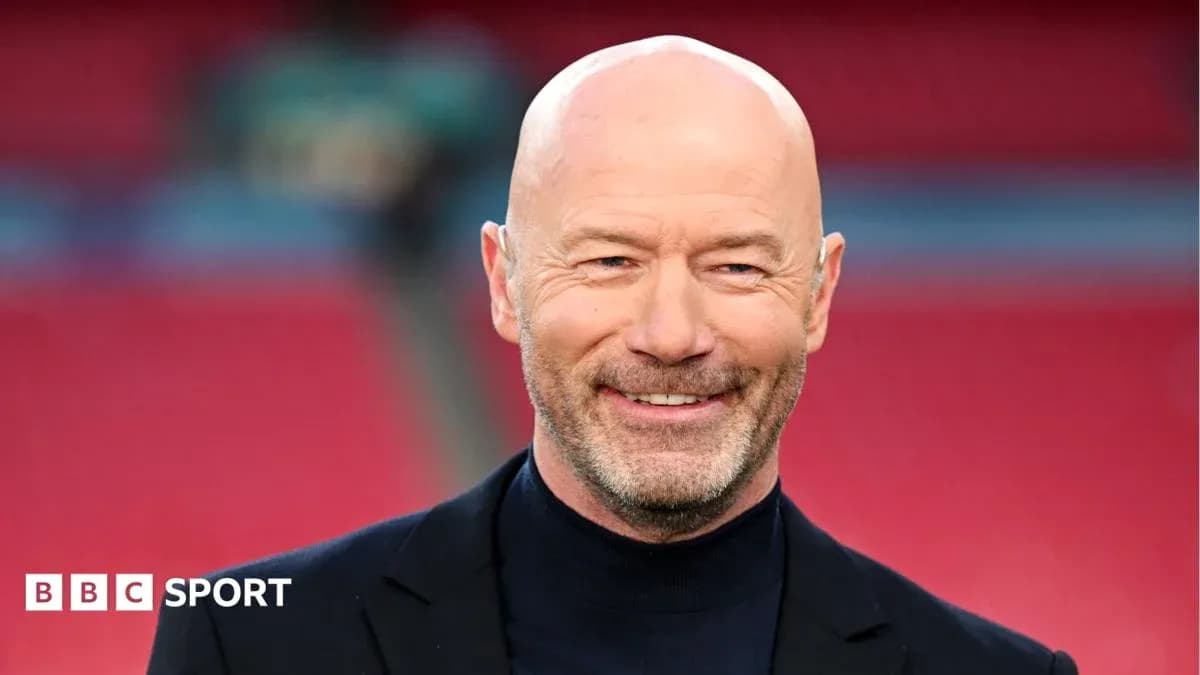
Eddie Howe has emerged as the leading choice of Jason Wilcox to replace Michael Carrick if Manchester United decide to act, with the club’s director of football convinced that Howe’s deep Premier League pedigree gives him an edge over rival candidates.
Howe, who walked away from Newcastle in late July to take a break from the game, is understood to be ready to listen if United make their move. A manager who rebuilt his reputation on Tyneside, then stepped away on his own terms, is suddenly back at the centre of the biggest job debate in English football.
Howe at the front of the queue
Inside Old Trafford’s football department, Wilcox is driving the conversation. For him, Howe’s record is not theory; it is proof. Five years at Newcastle, five seasons in the Premier League with Bournemouth, and a body of work that shows he can stabilise a club in crisis, then push it into contention.
There is a financial angle too. Howe would be significantly cheaper to appoint than Unai Emery, another coach admired within United’s hierarchy. Aston Villa would demand around £20m in compensation to release Emery, a figure that instantly complicates any approach. Howe, currently out of work, comes without that barrier.
The football case is strong. When Howe took over from Steve Bruce in November 2021, Newcastle were winless in their first 14 league games and drifting towards relegation. He flipped the mood and the numbers. Newcastle climbed to 11th, winning 12 of their final 18 matches, and the club’s direction changed.
The momentum did not stop there. In 2023, Howe took Newcastle back into the Champions League for the first time in 20 years. Two seasons later, he did it again, confirming that the first surge was no one-off. Domestically, he delivered what generations of supporters had waited to see: the 2025 Carabao Cup, Newcastle’s first domestic trophy in 70 years.
All of that sits on top of his work at Bournemouth, where he kept the club in the Premier League for five straight seasons from 2015, operating with resources that looked modest even by mid-table standards. For a club like United, wrestling with identity and structure, that blend of survival, progression and silverware carries weight.
Nagelsmann admired, but Wilcox holds the cards
Julian Nagelsmann is not out of the frame. The former Germany and Bayern Munich coach is highly regarded by Christopher Vivell, United’s head of recruitment, who sees the 37-year-old as a modern, tactically sharp option for a long-term project.
Inside the new football structure, though, not all voices carry the same volume. Wilcox’s view is thought to resonate more strongly with Sir Jim Ratcliffe, whose Ineos group now controls football policy at the club. If Ratcliffe leans on the judgement of his director of football, Howe’s candidacy gains a clear advantage.
So United sit at a crossroads with two very different profiles on the table: Nagelsmann, the continental strategist with a reputation for innovation, and Howe, the proven Premier League operator who has already rebuilt two clubs in difficult circumstances.
Carrick under strain as results bite
All of this swirls around while Michael Carrick clings to the job. United’s start to the season has been their worst since 1986, and the pressure on the 45-year-old has moved beyond background noise into something far more acute.
Two wins from 11 games tell the story bluntly. Performances have lacked conviction, results have stripped away goodwill, and what once felt like a long-term project now looks like a countdown. Carrick is expected to remain in charge for Sunday’s visit of Bournemouth and is due to face the media on Friday, but everyone inside the club knows his position hangs in the balance.
One bad afternoon can change everything at a club like United. One more, and the conversation about preferred candidates may turn into formal contact.
A new stadium, and a bigger question
Away from the dugout drama, United are asking supporters to help shape the club’s physical future. The club has launched a survey inviting fans to give their views on the design of a proposed new 100,000-seat stadium, a project that would redefine the matchday experience and the skyline around Old Trafford.
The survey will go out to season-ticket holders, cup season-ticket holders, executive club members, official members, supporters who have bought hospitality at Old Trafford in the past three years, and those on the season-ticket waiting list. It is a broad canvas, designed to pull in opinion from every corner of the fanbase.
So United stand in a familiar place: thinking big off the pitch, searching for clarity on it. A vast new stadium, a restless support, a struggling manager, and a shortlist led by Eddie Howe.
If the club really is entering a new era under Ratcliffe, the next decision in the dugout will say more than any architectural drawing ever could.