England's Cricket Summer: Leadership Changes and Future Challenges
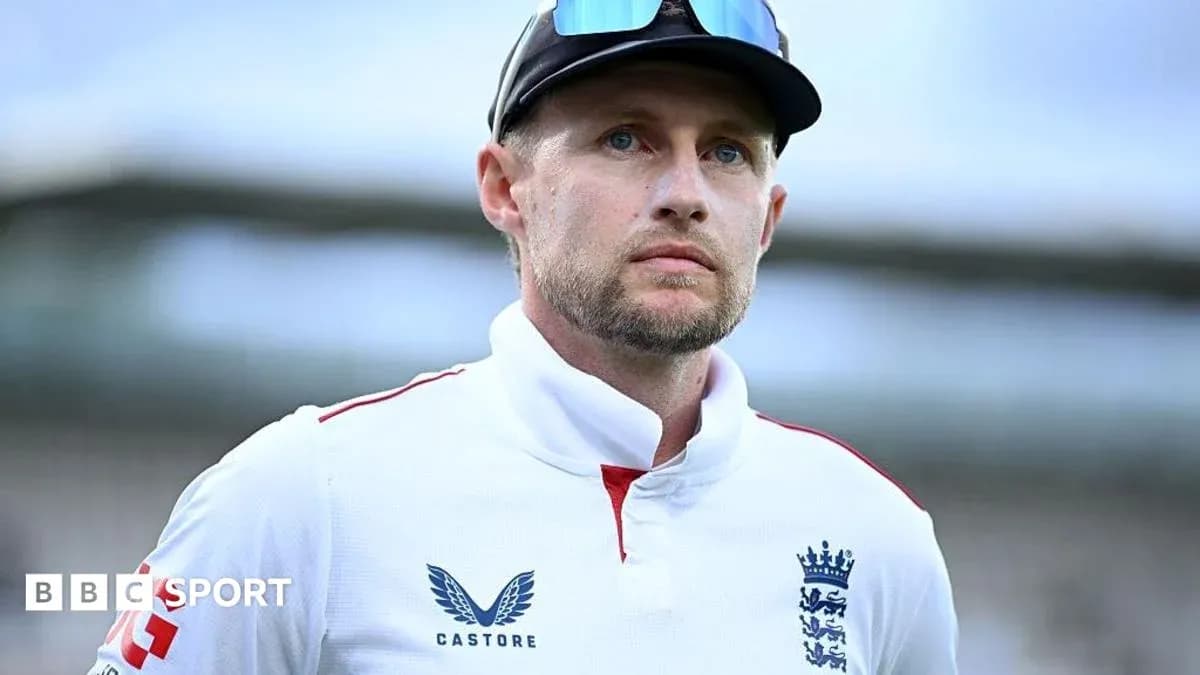
Joe Root walked back into the England captaincy this summer, Kevin Pietersen slipped back into the inner circle, and somehow it all began to feel normal again. For that to be the new reality in 2026 tells you everything about the scale of upheaval in one of the most turbulent English summers of recent times.
The argument over whether England should have changed leadership after the Ashes has already been overtaken by events. They have arrived, almost by accident, in a post-Bazball world. The revolution that once defined them now feels like a phase they’ve hurried through.
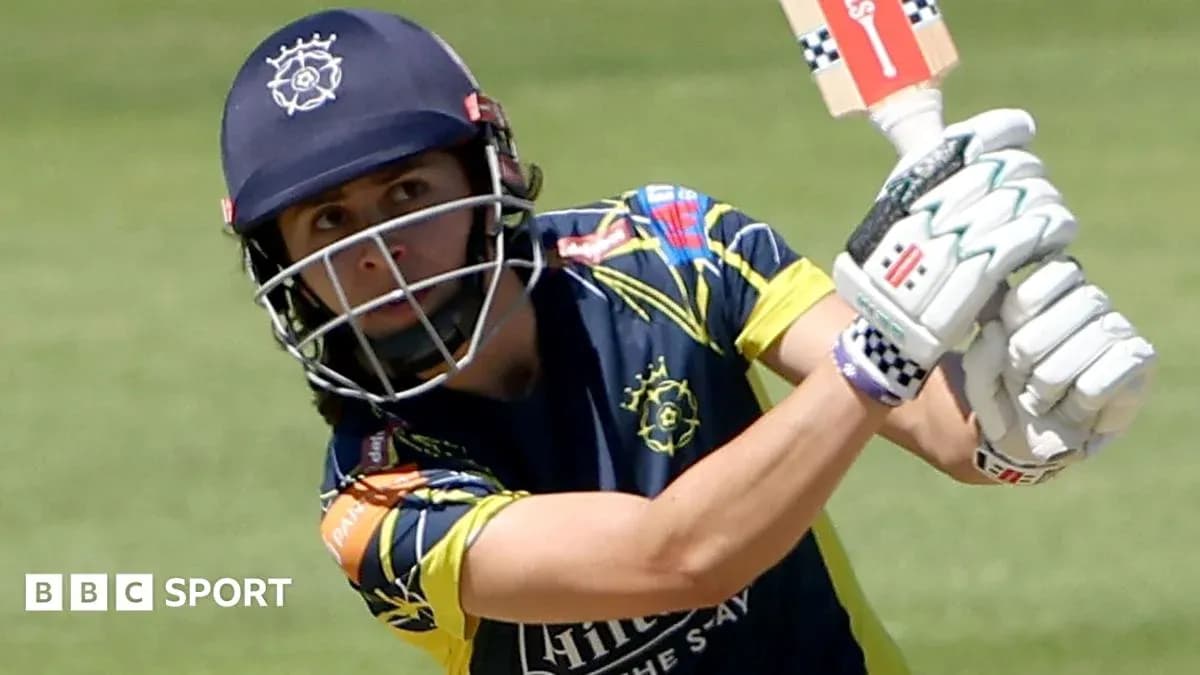
Was the refusal to act in the spring a mistake that cost them a summer? Try selling that to Jordan Cox, Emilio Gay or Dan Lawrence. Or to a rejuvenated Ollie Robinson. Or to Root himself, who had to rummage through his garage to find his old captain’s blazer and, with it, an old responsibility he thought he had left behind.
Are England better now than they were in June? Strip Ben Stokes out of any Test side and the answer rarely feels like “yes”. His absence alone makes that a hard case to argue, no matter how impressive a 3-0 sweep of Pakistan looks on paper.
This is not a slight on Stokes, but a statement of how completely he came to embody his team. By the end of his reign, England were a reflection of his personality – noisy, aggressive, unflinching, and forever ready to gamble. What he said and did set the tone. Everyone else followed.
Root is cut from different cloth. Quieter. More measured. Less performative. Under him, England’s early-summer cricket carried a kind of calm assurance, helped by the fact they were rarely stretched. They played with control, not chaos. For a while, it suited them.
Then came the third evening at Edgbaston.
Two hours of Razaullah’s hitting turned serenity into panic. England frayed. Old scars from Root’s first spell as captain began to itch. The field spread, plans evaporated, and the man in charge briefly left the field, a moment that said more than any dressing-room debrief ever could. Stokes, for all his flaws, rarely allowed a game to run away from him in quite that manner.
Even in the wreckage of that session, there were flickers of something new. Stand-in coach Marcus Trescothick did not sugar-coat what had happened. He voiced his disappointment plainly, a notable change from the relentless positivity that became the soundtrack of the Bazball era. No slogans, no spin. Just a blunt admission that England had lost their heads.
And yet, as the season closes, the central question remains maddeningly familiar: how good are this England side, really?
This has become the recurring theme of Rob Key’s tenure as director of cricket. The Ashes were drawn in 2023. A shock defeat to Sri Lanka at The Oval rounded off 2024. Last winter, they failed to land the decisive blow in the final Test against India. Each time a defining series has loomed, England have come away with something less than clarity, less than closure.
The big prizes stay just out of reach. The rainbow always seems to move a little further away.
What they do have now is a pace attack that, on its best days, invites comparison with the 2005 Ashes battery. That is not a throwaway line. It is rooted in numbers and menace.
Ollie Robinson has owned this summer. Twenty-eight wickets at 9.32 – figures that belong to a sepia-tinted age of uncovered pitches and timeless Tests. He has been relentless, nagging, unforgiving, the bowler England have wanted him to be for years.
Around him, Jofra Archer, Josh Tongue and Gus Atkinson have supplied the speed and hostility. Between the four of them, England possess a kind of seam-bowling Swiss army knife: height, angles, bounce, reverse swing, outright pace. The only missing blade is a left-armer.
Scratch the surface, though, and the depth looks thinner. One injury, maybe two, and the conversation turns to Sam Cook, Sonny Baker, Matthew Fisher and Henry Crocombe – four caps between them. Brydon Carse is an option, though his Derby incident remains under investigation and casts a shadow over selection. Olly Stone, fit and in form again, lurks as a possible recall.
That is the puzzle for the winter. South Africa awaits, followed by a one-off pink-ball 150th anniversary Test in Melbourne – conditions where four seamers could carry the workload and shape the series. Then, in February, come two Tests in Bangladesh, and with them a completely different set of demands.
On turning pitches, England cannot bluff their way through with part-time spin and seam-heavy attacks. Yet for all the talk of a “burning summer”, spin has become an afterthought. A weapon left in the kitbag.
The list of contenders for Bangladesh is long precisely because none of them has yet made the position their own. Shoaib Bashir, Jack Leach, Dom Bess, Will Jacks, James Coles, Mason Crane, Liam Patterson-White, Calvin Harrison, Jack Carson – all have a case, none an unanswerable one.
For now, the job belongs, somewhat oddly, to Dan Lawrence. His part-time off-breaks have barely been seen, but they give him an edge in selection meetings. When Jacob Bethell returns from knee surgery, Lawrence’s bowling could still tip the balance his way, leaving Cox and Gay to scrap for one batting spot in South Africa in December.
So England close the summer with a reclaimed captain, a retooled dressing room and a fast-bowling unit that looks ready to take on the world – and still, the same nagging doubt.
Is this the start of something coherent, or just another intriguing, incomplete chapter in a story that refuses to settle?