England's New Pace Pack Mirrors 2005 Ashes Attack
Marcus Trescothick has seen this movie before. Different faces, different era, same tingle of possibility.
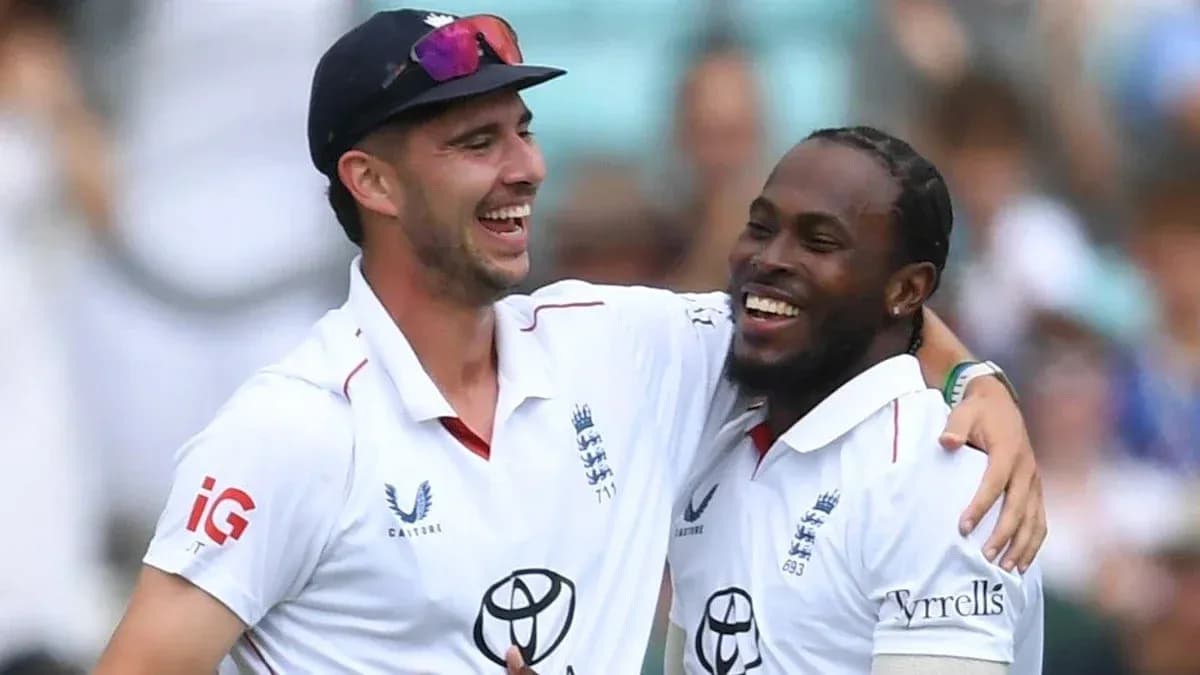
Two decades on from England’s fabled 2005 Ashes attack, the interim head coach believes the current quartet of Ollie Robinson, Jofra Archer, Gus Atkinson and Josh Tongue carries the same kind of menace that once belonged to Stephen Harmison, Matthew Hoggard, Simon Jones and Andrew Flintoff.
He should know. He opened the batting while that group battered Australia into submission and dragged the urn back to England. Now he stands on the dressing-room balcony, watching a new pace unit bowl England to a series win over Pakistan and halt a miserable slide of only two victories in 10 Tests.
“We do have some real skill, and you look back to 2005 and the sort of comparisons of Harmy, Fred, Simon and Hoggy, you could easily make those sort of comparisons,” Trescothick said. There was no attempt to play it down. He likes what he sees. “I’m enjoying the fact we’ve got four who are match fit at the moment and we’ve a few [other bowlers] behind it that we’re starting to get ready.”
A New Balance After Stokes
This revival has arrived in the shadow of Ben Stokes’ departure. His retirement as captain closed one of the most radical chapters in England’s Test history and reopened the door for Joe Root’s second spell as skipper. It also left a gaping tactical question: how do you balance an XI without the world’s premier all-rounder?
For now, the answer is blunt and old-fashioned. Pick four proper seamers. Forget a frontline spinner. Dan Lawrence’s part-time off-breaks sit in the background as insurance, not as a central pillar.
Under Stokes and Brendon McCullum, raw pace often trumped everything. England wanted speed, intimidation, relentless aggression. Robinson did not fit that template. His recall after more than two years out of the Test side has changed the shape of the attack and, crucially, its rhythm.
Archer, Tongue and Atkinson can all push the speed gun into the 90s. Robinson cannot. He often works below 80mph, with the wicketkeeper standing up, but his method is ruthless: relentless accuracy, subtle movement, nagging angles. The numbers are outrageous – 23 wickets this summer at an average of 8.3.
“We’ve got a good contrast in what we’re trying to do at the moment,” Trescothick said. “What we do have is three guys bowling at 92 miles an hour, which is really nice to have in your armoury and to have the potency in what you’re trying to do. And the more that they play together and the more experience that everyone gets together, then it fits into place to how you want it to be.”
It is the blend, not just the speed, that has turned England into a handful again.
The Shadow of 2005
Comparisons with 2005 are inevitable, and not everyone is rushing to crown this group just yet. Writing in the Telegraph, Michael Vaughan, the captain who marshalled Harmison, Hoggard, Jones and Flintoff through that unforgettable Ashes summer, laid down a clear condition: only when this attack wins a major series can it be mentioned in the same breath as his bowlers.
He did not dismiss them, though. Far from it. Vaughan believes they are “certainly capable of doing something really special, and winning back the Ashes for England next summer.”
That is the bar. That is the weight of history Trescothick’s bowlers now carry.
Clean Sweep on the Line
Before any Ashes talk can grow too loud, there is a job to finish. England lead Pakistan 2-0 and will walk out at Edgbaston on 9 September chasing a 3-0 clean sweep. It would be their first series win since 2024, a full stop at the end of a wretched run and a statement that this is not just a brief surge of form.
The squad for Birmingham will be confirmed in the coming days. At Lord’s, England named seven pace bowlers before events off the field forced a change. Brydon Carse was removed from the squad after an incident outside a nightclub in Derby. He is not expected to be considered again until investigations by the police and the Cricket Regulator are complete.
Without Carse, the reserve seamers are Sam Cook, Sonny Baker and Matthew Fisher – three bowlers with only four Test caps between them. Fresh faces, fresh energy, but also a clear dilemma: rotate and blood them, or stick with the winning formula?
Trescothick’s instinct is uncompromising.
“First and foremost I want to win the series 3-0, and I think if you’re going to do that you want to play the most consistent team possible,” the 50-year-old said. The schedule has been unforgiving, and the quicks finally have four or five days to let their bodies breathe. Only once the medical reports land will the final call be made.
“Once we know that then we’ll be able to make that decision,” Trescothick added, “but emphasis massively on winning the series 3-0.”
The message could not be clearer. This is not a laboratory for experimentation. Not yet. England have stumbled for too long, and a ruthless, fully loaded pace attack has given them their first glimpse of momentum in years.
The quartet of Robinson, Archer, Atkinson and Tongue now heads to Edgbaston with history ringing in their ears. The last time England forged a pace unit this talked about, they changed the course of a generation. Can this group do the same – and will Pakistan be the final stepping stone before an Ashes summer that might define them?