England's Test Summer: Chaos and Change After Stokes
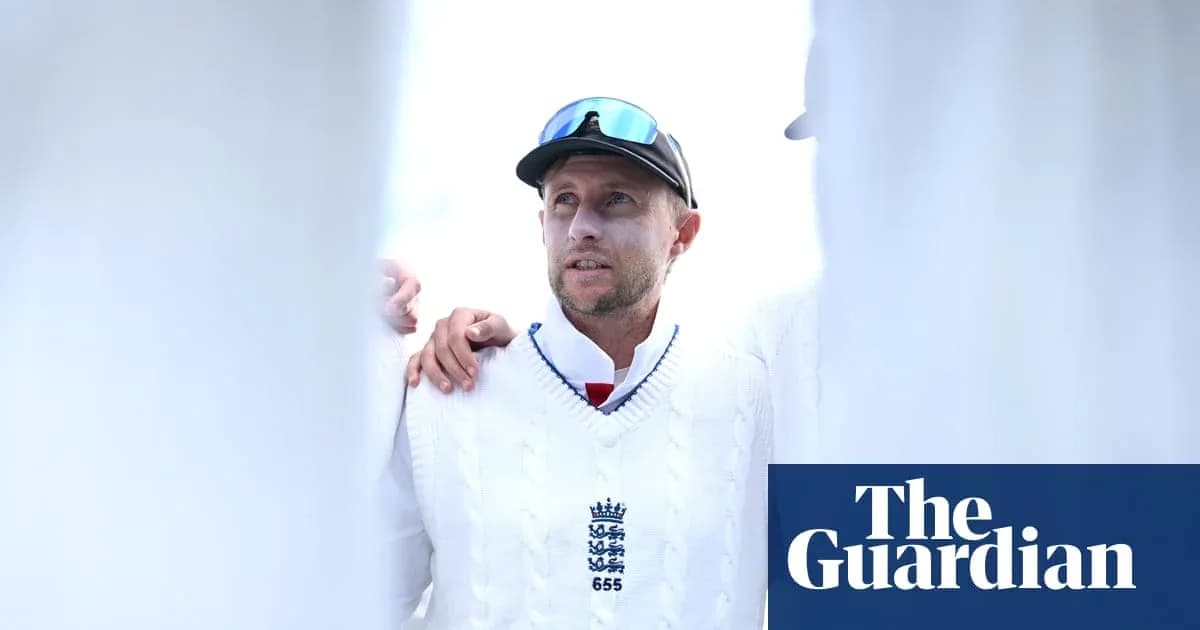
Joe Root sat back, sifted through the wreckage of England’s Test summer and settled on one word above the rest: chaos. Not the romantic, swashbuckling kind they once tried to brand. The unsettling, disorientating sort that began with Ben Stokes walking away from international cricket in the middle of a live series.
Stokes’s exit, mid-match, mid-storyline, was the moment the whole thing seemed to tilt. Cricketers have quit on the hoof before – Heather Knight did the same at Lord’s in the women’s Test a fortnight later – but this was different. This was England’s totem, the man who had demanded “selfless cricketers” four years earlier, choosing his own full stop while New Zealand were still prising open the series.
Root, loyal to a fault, will never publicly question Stokes. He won’t say whether that departure jarred with the ethos they once sold to the world. But the symbolism was hard to ignore. It framed a week when England bottomed out: their first home series defeat in a three-Test (or more) campaign for 14 years, New Zealand not just beating them at Trent Bridge but laughing in their faces as the final act played out.
Around it, the noise kept coming. Two drink-related incidents bookended the Stokes announcement. Brydon Carse in handcuffs in Derby, Stokes a lurking presence in the background. An England side trying to step away from an old identity while still haunted by it. And the nagging realisation that as long as Brendon McCullum remained in charge, the Bazball tag would cling to them like a stain they could not wash out.
Only once they emotionally detached from Stokes and accepted that truth did the temperature begin to drop. The cricket, if not serene, at least stopped lurching from headline to headline.
England’s win over Pakistan showed that from another angle. They got the result, but not the narrative. Edgbaston’s spotlight belonged to 21-year-old Razaullah and his astonishing 81 – an innings that suited south Birmingham’s taste for surprise fireworks. Pakistan, though, were a reminder that dysfunction comes in grades.
England’s scrapes with Saracens players and a muddled curfew row felt almost quaint next to the touring circus. Seven Pakistan players sent home. Head coach and bowling coach dispatched as well. Phones confiscated. A harsh light thrown on a government-run board desperate for the world to look anywhere but at the treatment of the country’s greatest captain. Saj Sadiq, the long-suffering editor of PakPassion.net, did not sugarcoat it: “As an entire series, this has been the most embarrassing and difficult to watch. On and off the field Pakistan have been an absolute shambles.”
Against that backdrop, calling this a wasted English summer would be lazy. Stephen Fleming has not even landed in the country yet – Root is itching to meet his new Test head coach in person after a long-distance courtship – but the New Zealander will already have learned plenty over breakfast highlights in Canterbury.
Fast-Bowling Stock
First, there is the fast-bowling stock. Something is building there. Ollie Robinson has come back snarling, his control and menace restored. Jofra Archer’s hunger for the long game has survived the Stokes era, a crucial tick for a bowler whose body and schedule have been pulled in every direction. Josh Tongue looks harder now, more durable, his pace and bounce shaping into a serious weapon. Gus Atkinson’s returns tailed off after a night at the Rex Rooms and a shift in role, yet this was as quick as England’s quiet man has bowled across a season.
The numbers, though, need context. This was a summer when the ball bullied the bat. A wicket fell every 41 deliveries – the lowest strike-rate in England since the 1880s – and Pakistan’s batting resistance resembled wet tissue. On the one surface that genuinely eased – a fair Edgbaston pitch, the ball softened after a damp evening – England’s attack lost a bit of bite. The cutting edge dulled, the breakthroughs came slower.
Old scars resurfaced too. Root endured familiar nightmares against the tail. Razaullah’s onslaught. The struggles when he stood in for Stokes at the Oval in June. Marcus Trescothick, the interim head coach for the Pakistan series and unsure of his longer-term role, believes Fleming is made for this problem: a former tactically sharp captain, the most decorated coach in the furnace of the Indian Premier League, and someone who understands how to close out sessions and games.
Beyond the frontline quartet, the depth chart is less clear as eyes turn to South Africa in December. One strong view is that Olly Stone’s late-season county form for Nottinghamshire should propel him past the younger hopefuls waiting on the cab rank. The bigger structural issue remains the absence of a genuine frontline spinner. Fleming may crave his own Daniel Vettori type: multi-skilled, reliable, a bridge between disciplines. Liam Patterson-White fits that mould more than most.
Batting Stability
Fleming’s own batting story may matter as well. England’s top order stacked up 23 half-centuries this summer, yet only Ben Duckett reached three figures. A procession of starts, a shortage of statements. Fleming once made 10 Test fifties before finally converting to a hundred. He knows the mental weight of that wait, the way it gnaws. That could be gold dust for someone like Dan Lawrence, who keeps loading pressure on himself every time he walks out.
Every side craves stability, but Fleming might actually enjoy the current friction for places. It sharpens edges. It will also force an awkward decision when Jacob Bethell is fit again. Emilio Gay, likely to tour but already facing questions about his ceiling, feels the most vulnerable in terms of the starting XI. To accommodate Bethell, England may have to manufacture an opener alongside Duckett.
Duckett himself has been caught between gears since the Bazball branding took hold. Aside from his 113 at Trent Bridge, he has looked unsure whether to lean fully into aggression or rein it back. That uncertainty has seeped into his method. Pushing Jordan Cox up to open is one solution. Given that the No 3 was not required before the ninth over at any stage against Pakistan, it is hardly a wrench.
Cox did not deliver the defining score either – three half-centuries and nothing more – but he left a mark. There was something about his presence at the crease: almost cocksure, a strut without tipping into parody. Root admitted: “I didn’t really know what to make of him when I first met him.” Cox has already said publicly that he is trying to outdo Root. On paper, that is a ludicrous target: more than 14,000 Test runs stand in his way. As an attitude, though, it might be exactly what this team needs.
Because this is England after Stokes. No more leaning on one man’s aura or waiting for a miracle session. No more living off the fumes of Bazball branding while the cricket frays underneath. The template now is quieter, more demanding, less romantic: a captain who embodies the grind required to survive at this level, and a group of players who have to match him, not worship him.
The chaos has not vanished. It probably never will with this group. But for the first time in a while, England look less like a team chasing a slogan and more like one wrestling with the hard questions that decide what comes next.