England's New Pace Pack Mirrors 2005 Ashes Attack
Marcus Trescothick has seen this movie before. The faces are different, the shirts a touch sharper, the haircuts less 2000s – but the feeling, that crackle around a fast-bowling unit that suddenly looks capable of bullying anyone, is unmistakable.
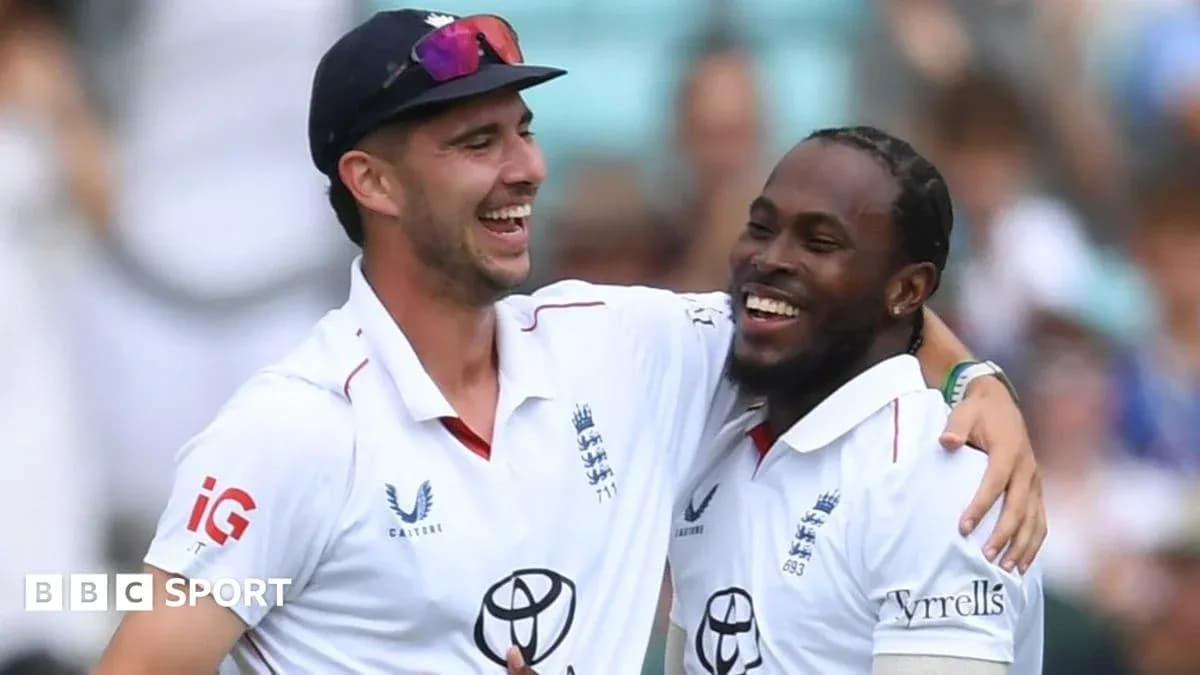
From his vantage point as interim head coach, the former opener is watching a new quartet – Ollie Robinson, Jofra Archer, Gus Atkinson and Josh Tongue – drag England out of a slump and into a series win over Pakistan. And his mind keeps drifting back 21 years.
Back to Stephen Harmison, Matthew Hoggard, Simon Jones and Andrew Flintoff. Back to 2005.
“We do have some real skill,” Trescothick said, allowing the comparison that many around the team have been whispering. “You look back to 2005 and the sort of comparisons of Harmy, Fred, Simon and Hoggy, you could easily make those sort of comparisons.”
He was in that dressing room when England reclaimed the Ashes. Now he is the man in charge, at least until Stephen Fleming arrives in the winter, and he has overseen a sharp turn in England’s Test fortunes: from two wins in 10 to back‑to‑back victories, and a first series success since 2024.
A New Balance Without Stokes
The shift has come in the wreckage of Ben Stokes’ reign. His retirement as captain closed one era and reopened another, Joe Root returning to the job while the selectors wrestled with a familiar problem: how to balance a side without the all‑rounder who had done everything.
For now, the answer is blunt but effective. Four frontline seamers. No specialist spinner. Dan Lawrence’s part‑time off-breaks sit in the background, a safety net rather than a central plan.
Under Stokes and Brendon McCullum, England often chased raw speed. The radar gun ruled. This version feels different. Archer, Tongue and Atkinson still bring the heat, capable of operating in the 90s, but Robinson’s recall after more than two years out of the Test side has changed the shape of the attack.
He is the outlier. Often under 80mph. Keeper standing up. Old‑fashioned lines and lengths, modern precision. The numbers are brutal: 23 wickets this summer at an average of 8.3. Not just a supporting act to the quicks, but the bowler who knits the whole thing together.
“We’ve got a good contrast in what we’re trying to do at the moment,” Trescothick said. “What we do have is three guys bowling at 92 miles an hour, which is really nice to have in your armoury and to have the potency in what you’re trying to do.
“And the more that they play together and the more experience that everyone gets together, then it fits into place to how you want it to be.”
The Shadow of 2005
Any mention of 2005 invites scrutiny. That Ashes attack is not just remembered; it is mythologised. Harmison’s hostility, Hoggard’s swing, Jones’ reverse, Flintoff’s relentlessness – four seamers whose skills meshed perfectly and broke Australia’s dominance.
Trescothick is not alone in feeling the echoes, but there is a cooler voice in the conversation. Writing in the Telegraph, Michael Vaughan, the captain in that famous summer, set the bar plainly. Comparisons, he argued, can only truly be made when this group wins a major series of its own.
Yet even Vaughan could see what is building. “They are certainly capable of doing something really special,” he wrote, and he went further, suggesting they could be the ones to win back the Ashes next summer.
That is the scale of the expectation now hanging over Archer, Robinson, Atkinson and Tongue. A few weeks ago, England were stumbling. Suddenly, people are talking about urns again.
Clean Sweep on the Line
Before any Ashes talk becomes serious, there is a job to finish. England head to Edgbaston for the third Test against Pakistan on 9 September, chasing a 3-0 clean sweep. The squad for Birmingham will be named in the coming days, and Trescothick’s priority is obvious.
“First and foremost I want to win the series 3-0,” the 50‑year‑old said. “And I think if you’re going to do that you want to play the most consistent team possible.”
That points strongly towards sticking with the pace quartet that has delivered the series. The temptation to experiment is there – it always is when a series is wrapped up – but the messaging from the coach is clear: this is not a charity cap shop.
There were seven pace bowlers in the squad at Lord’s. Brydon Carse was initially among them before being withdrawn after an incident outside a nightclub in Derby. He will not be considered again until police and Cricket Regulator investigations are complete.
Without Carse, the reserve seamers are Sam Cook, Sonny Baker and Matthew Fisher. Between them, they have only four Test caps. England like them, but Trescothick sounded in no rush to blood them further in a dead rubber that suddenly doesn’t feel like one.
“We’ve got to see how they all pull up from this game,” he said of his frontline attack. “And they’ve got four or five days now of break which they’ve not had for a good period of time because the schedule has been so busy.
“Once we know that then we’ll be able to make that decision, but emphasis massively on winning the series 3-0.”
From Slump to Statement
That emphasis tells its own story. This is not just about a tidy home win over Pakistan. It is about resetting standards after a wretched run, about proving that Root’s second spell as captain can be more than a holding pattern before Fleming arrives.
It is about a bowling unit that suddenly looks deep, varied and ruthless – three men thundering in at 92mph, one operating on craft and control, and a coach who has seen enough great attacks to recognise the beginnings of another.
The names on the team sheet have changed since 2005. The expectation that England’s quicks should shape a summer has not.