F1 Unveils Ambitious 2027 Calendar with Record 10 Sprints
Formula 1 has signed off on a blockbuster 2027 calendar: 24 grands prix, 10 Sprints, and two old favourites back on the roadshow. On paper, it is the sport’s most ambitious schedule yet. In reality, it arrives with a question mark the size of the Middle East hanging over it.
The season is set to open in Bahrain on March 14 and close in Abu Dhabi on December 12, framing a campaign that stretches nine months and barely pauses for breath. Portugal and Turkey, long courted by fans nostalgic for Portimão’s rollercoaster layout and Istanbul Park’s flowing challenge, finally reclaim their places on June 20 and October 3.
Their return comes at a cost. Barcelona-Catalunya disappears from the 2027 roster as part of a new bi-annual rotation with Belgium, while the Dutch Grand Prix also drops off the list. Zandvoort’s orange grandstands, so central to F1’s recent boom, will fall silent that year.
Sprint Era Goes Into Overdrive
The headline number is stark: 10 Sprint races. F1 is not dabbling with the format anymore; it is doubling down.
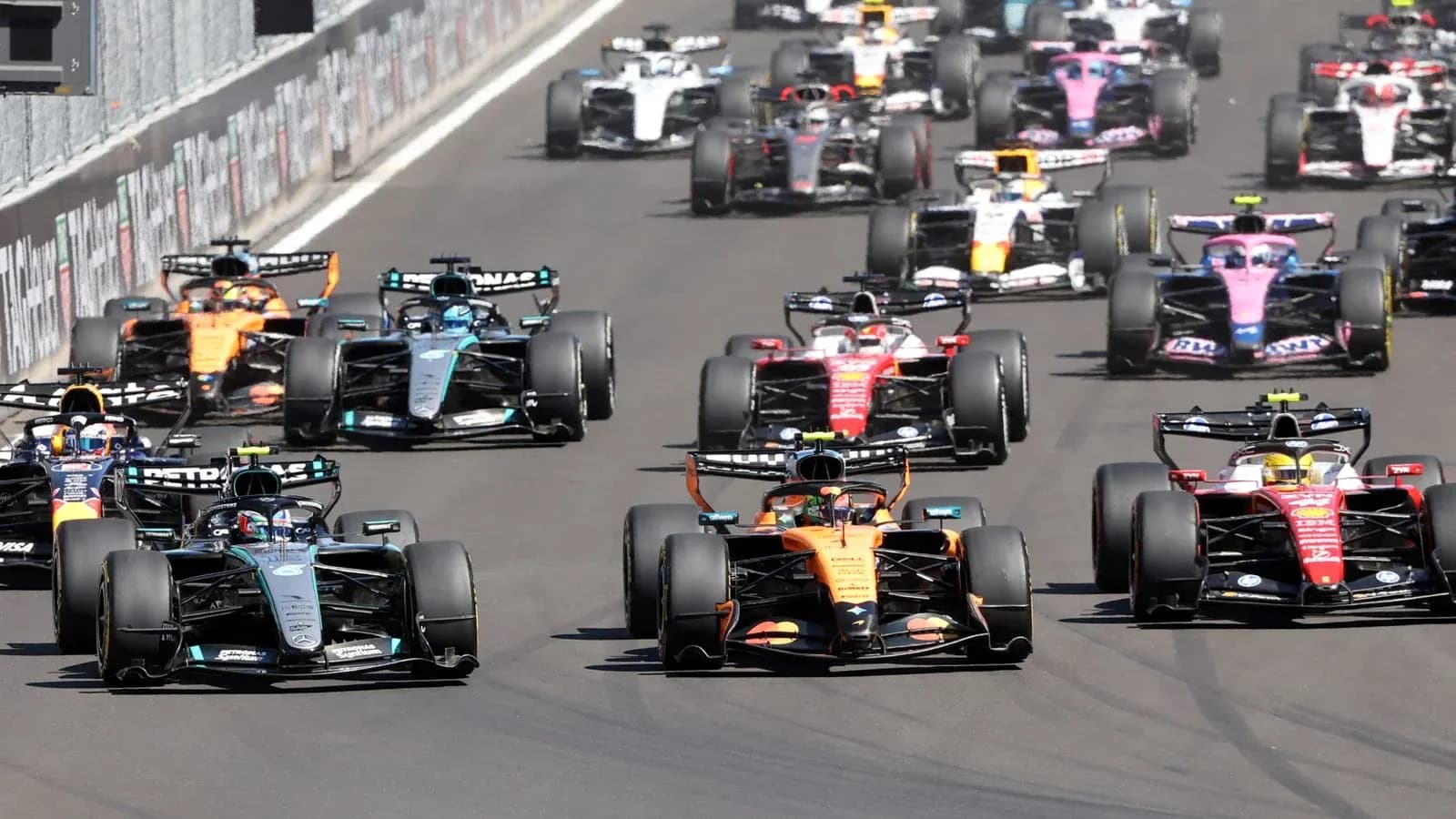
Six of those Sprints will be crammed into the opening 12 rounds, turning the first half of the season into a relentless points grab. The remaining four land in the run-in, including a significant twist: for the first time, the Abu Dhabi finale will host a Sprint of its own.
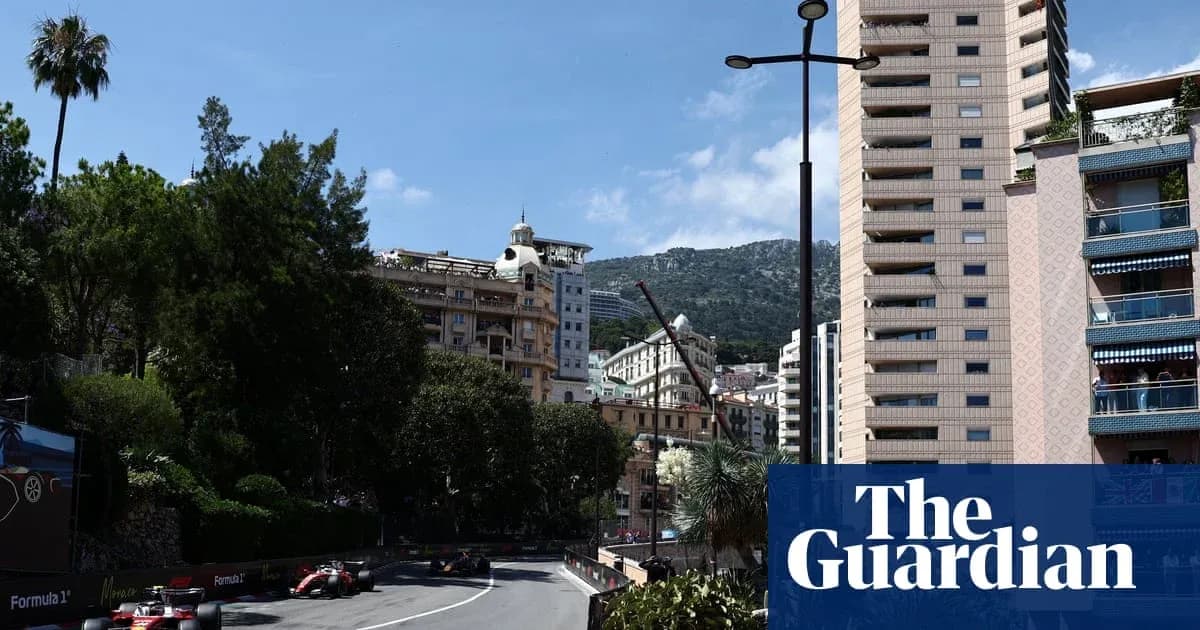
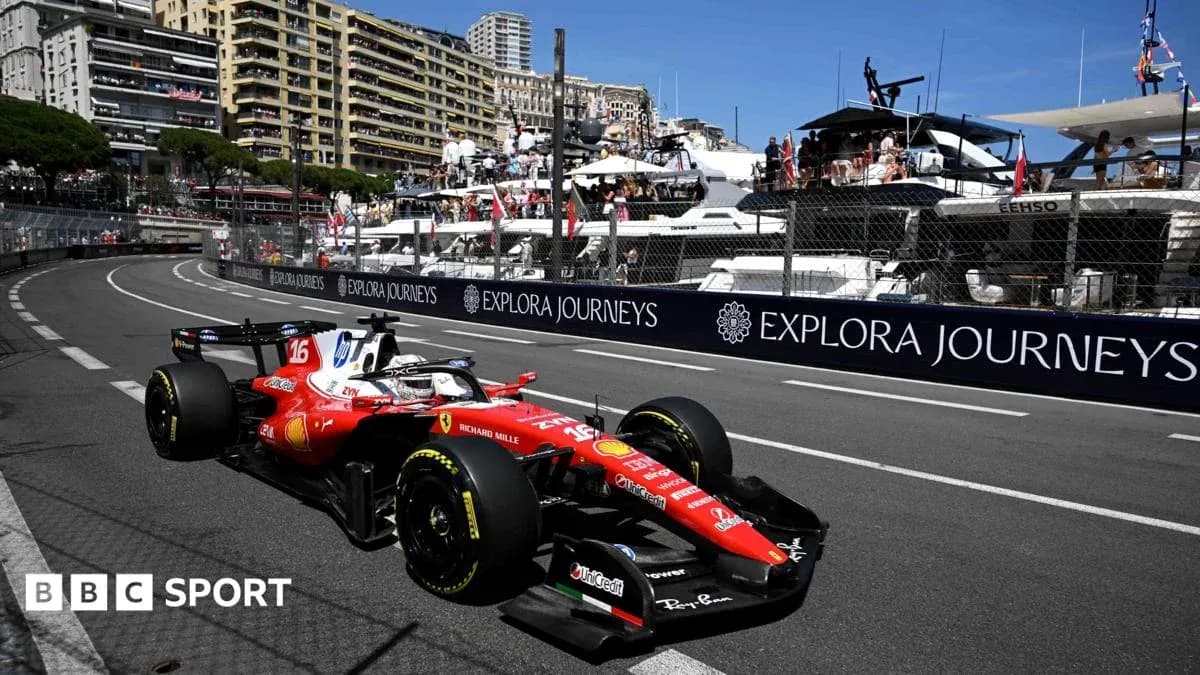
The most eye-catching experiment, though, is Monaco. The sport’s most traditional, processional, and politically sensitive weekend will, across the first weekend in June, stage a second race for the first time. A track where overtaking is notoriously rare is being asked to carry extra competitive mileage. Purists will wince; broadcasters and promoters will quietly smile.
The message from F1’s leadership is clear. More racing, more jeopardy, more content. A calendar that once revolved around a handful of crown-jewel Sundays now leans heavily on Saturday showdowns.
Calendar Built on Uncertain Ground
Beneath the polished release and confident dates sits a hard reality: none of this is guaranteed to run exactly as planned.
The ongoing Iran War has already torn up the 2026 schedule in the region. The Saudi Arabian Grand Prix for that year has been postponed, and Bahrain’s 2026 race has been shifted to Malaysia. Those changes have thrown a spotlight on whether the Gulf can safely and reliably host early-season rounds in 2027.
For now, F1 is holding its nerve. The championship has not yet confirmed if the 2026 Qatar and Abu Dhabi Grands Prix, pencilled in for November and December, will actually go ahead. The signs are not encouraging. Imola is understood to be on standby to step in as the season finale on December 6, ready to close a disrupted year on European soil if required.
Logistics, not just politics, are driving the urgency. F1 CEO and president Stefano Domenicali has already set internal deadlines. He indicated that the middle of September is the cut-off for a decision on Qatar and Abu Dhabi in 2026, to allow teams and freight operators to lock in complex transport plans. The call on Bahrain and Saudi Arabia’s ability to host the opening races of 2027, he has said, can wait until the end of the 2026 calendar year.
That buys time. It does not guarantee stability.
A Sport Stretching Its Limits
The 2027 calendar pushes F1 to the edge of what many in the paddock believe is sustainable. Twenty-four races, 10 Sprints, and a season that runs from mid-March to mid-December leaves little room for error, let alone rest.
Yet the commercial logic is obvious. More markets, more prime-time slots, more opportunities to showcase the next generation of regulations and stars. Portugal and Turkey’s return adds two fan-friendly venues that proved their worth when drafted in during the pandemic years. Dropping Barcelona and Zandvoort, even temporarily, underlines that no race—no matter how established or fashionable—is untouchable.
So the blueprint is bold. The question is simple: in a world reshaped by conflict and uncertainty, can F1 actually execute the calendar it has just sold to the world?