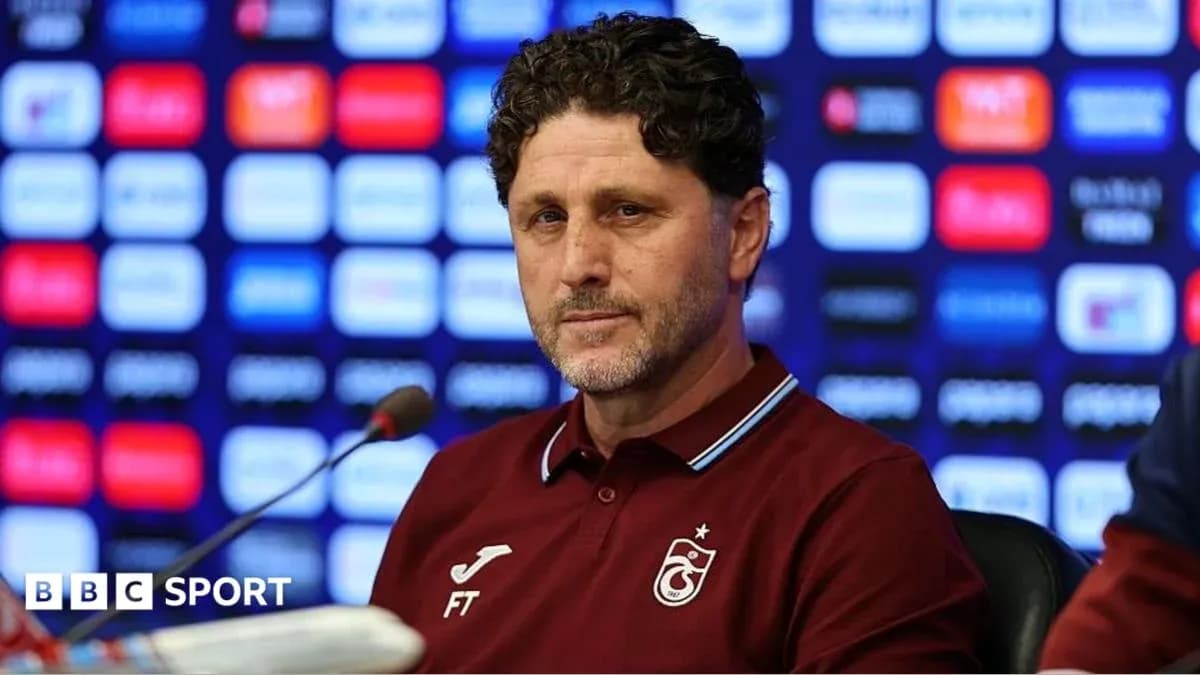
Fatih Tekke Resigns as Trabzonspor Coach After Europa League Defeat
Fatih Tekke’s second spell at Trabzonspor ended not with a boardroom battle, but with a shared sigh.
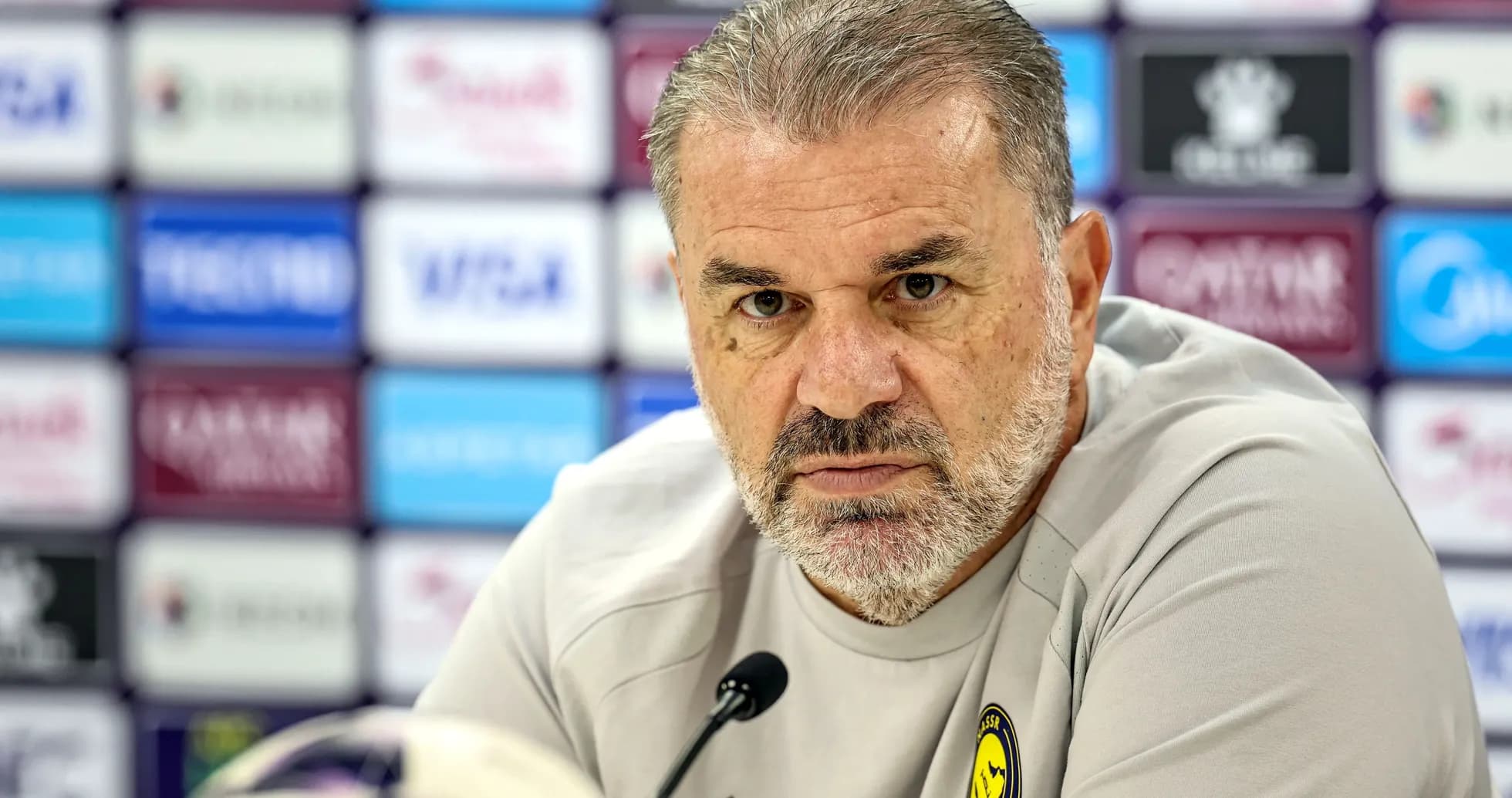
Days after the club had tried to talk him out of quitting, Trabzonspor have now accepted the head coach’s “emotional” resignation, bringing an 18‑month tenure to a close in the shadow of a bruising European exit.
Europa League collapse tips the balance
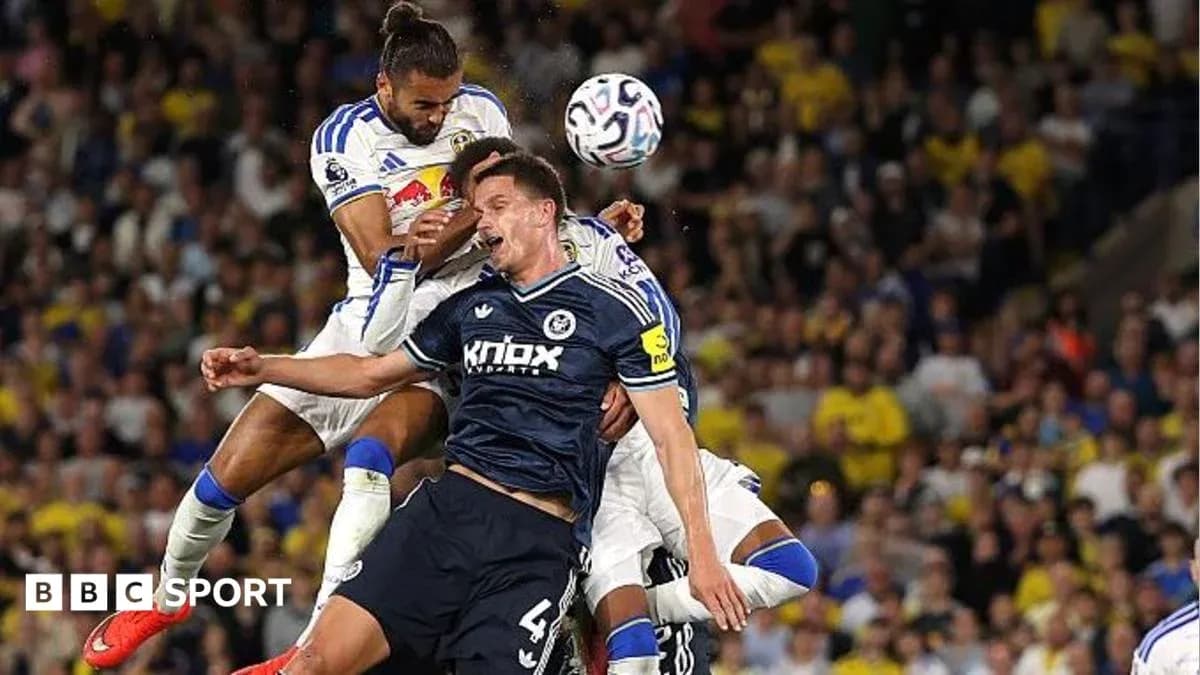
Tekke’s decision arrived in the aftermath of a humbling Europa League play‑off defeat, a 5‑0 aggregate loss to Ferencvaros that cut deep. For a club that measures itself against its European nights, going out in that manner was never going to pass quietly.
The 48‑year‑old offered his resignation immediately after the tie, rocked by the scale of the setback. At first, the hierarchy resisted. On Friday, Trabzonspor publicly framed his decision as one taken under the “intense emotional impact” of the elimination, a heat‑of‑the‑moment call they believed could be reversed.
It has not been.
From resistance to “mutual understanding”
By Wednesday, the tone had shifted. In a carefully worded statement, the Super Lig side confirmed that both parties had reached a “mutual understanding” and agreed to part ways “in line with Trabzonspor’s interests and long‑term objectives”.
The club were keen to underline what Tekke leaves behind. Over roughly a season and a half, he steered Trabzonspor to a third‑place finish in the league and delivered silverware, returning the Turkish Cup “to our museum”, as the statement put it. The message was clear: this was not a clean break from failure, but a difficult separation from a coach who had restored pride on the domestic front and generated “important sporting and financial gains”.
The board also highlighted his role in developing the players brought into the squad during his time in charge, a nod to the structural work that often goes unseen when the focus narrows to a single, painful result.
A coach who chose not to cling on
The most striking line, though, concerned Tekke’s own stance. Trabzonspor said they had reached agreement with a coach “who stated he would never allow his presence to harm Trabzonspor in any way” and that “drawing a new roadmap, prioritising the club’s interests above all else, had become unavoidable”.
This was not a manager digging in. It was a coach who read the mood, felt the weight of the Europa League collapse, and decided his continued presence might only deepen the strain.
So the club thanked him: for his “efforts”, his “dedicated work”, the “successes he delivered”, and the “value he added to Trabzonspor”. Formal words, but they sit on top of a simple reality. A cup‑winning, top‑three coach has walked away days after a European humiliation, and the board has chosen to let him go.
Now the Turkish Cup sits safely in the cabinet, the league finish is in the record books, and the Tekke era is over. The question in Trabzon is no longer why he left, but who dares to follow and carry a club still demanding both trophies and European nights worthy of its name.