Ferrari SF-26: Innovation and Competition in Formula 1
In a Formula 1 era where innovation is often strangled by regulation before it ever hits the track, Ferrari’s SF-26 has done something rare: it has forced the rest of the grid to take notes.
Fred Vasseur is not in this for compliments. He says so himself. But when the paddock starts lifting ideas from Maranello’s drawing boards, even the hard-nosed Ferrari team principal admits there is a certain satisfaction.
“For the guys in the team who had the idea it's a good reward,” he says. For once, Ferrari are not following. They are being followed.
Flick Tail Mode and the “Macarena” Wing
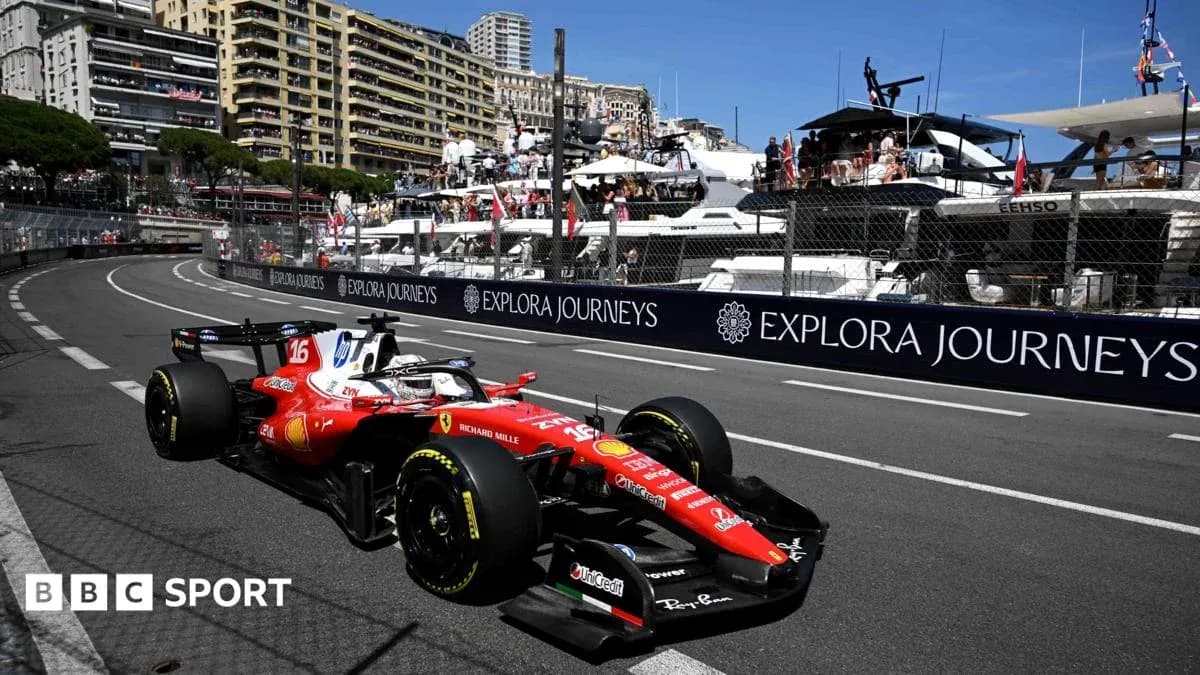
The SF-26 arrived for the 2026 regulations with a look that turned heads in Bahrain before it even turned a wheel. Not just a pretty car, but a clever one.
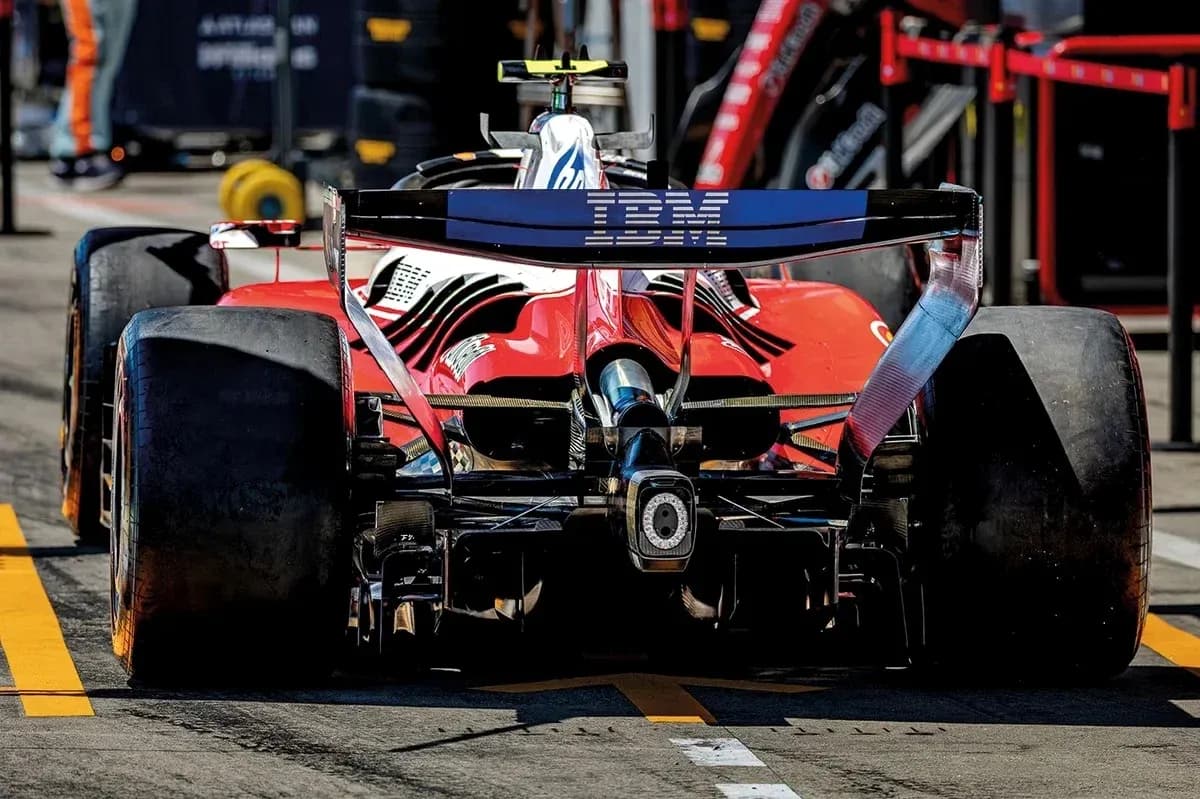
First came the winglet behind the exhaust, internally christened Flick Tail Mode (FTM). It is a small, almost discreet piece of bodywork, but its impact is anything but subtle: more rear downforce, traded for a touch of extra drag. In a field obsessed with efficiency, Ferrari chose to lean into grip and stability at the back of the car.
Then, the next day, the real conversation starter appeared.
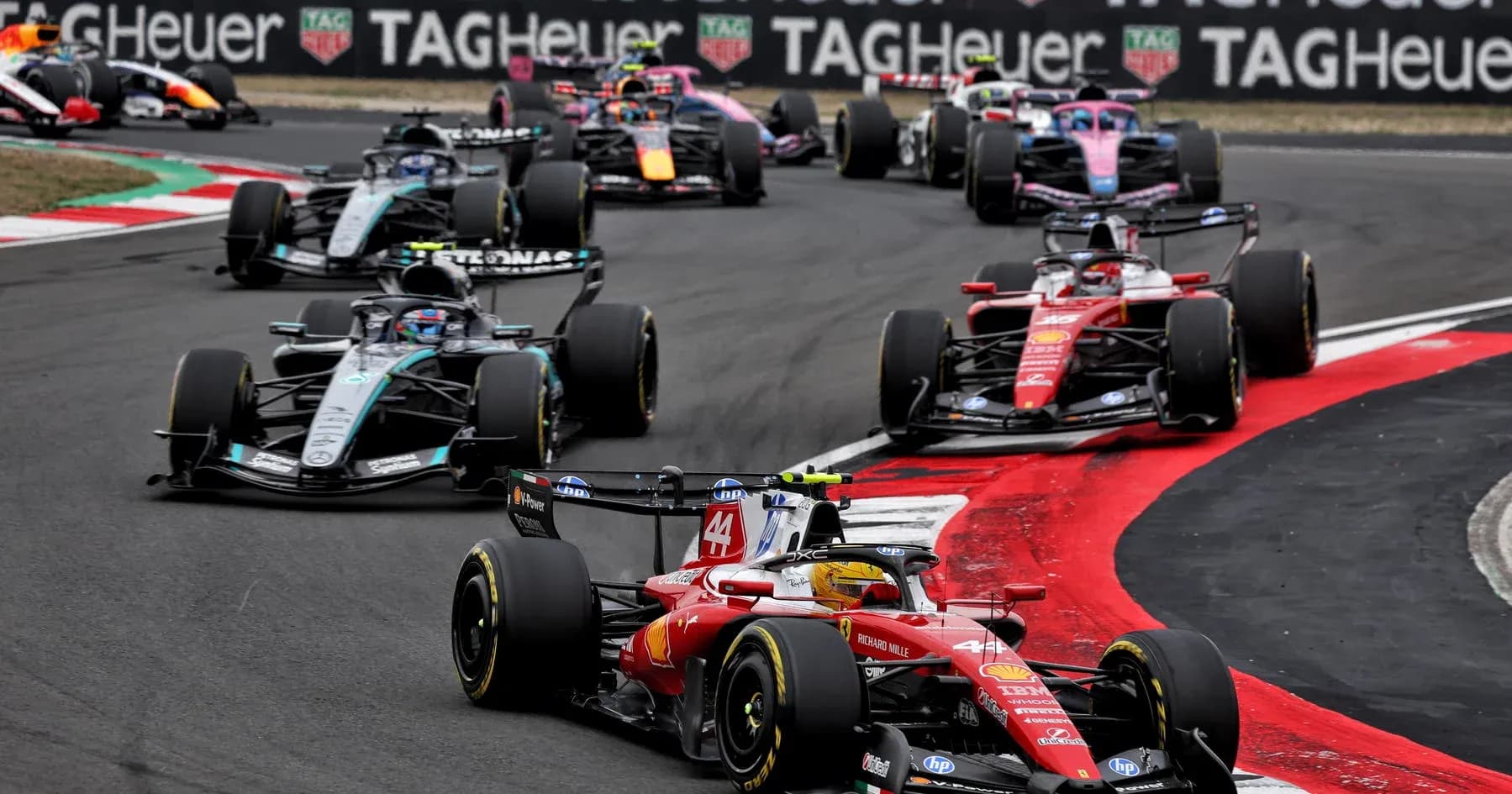
Ferrari rolled out a rotating rear-wing concept, quickly nicknamed the “Macarena wing” in the paddock. It flips 180 degrees between its cornering mode and straight-line mode, a dramatic mechanical switch that rewrites how the car behaves from apex to speed trap.
Rivals did not just notice. They reacted.
The exhaust-mounted wing has since spread up and down the pitlane, even if teams have struggled to fully decode Ferrari’s execution. The Scuderia did not simply bolt on a clever part; they sculpted the entire rear end of the SF-26 around it. That holistic approach has made the concept harder to copy and easier to exploit.
The FIA, wary of an arms race around the exhaust area, has already moved to shut the door. From 2027, Ferrari-style exhaust devices will be outlawed, the loophole closed before the idea can spiral into something unmanageable.
The Macarena-style rotating wing, though, is already out in the wild. Red Bull have adopted their own upside-down wing solution, while McLaren have trialled a version after spotting Ferrari’s innovation in testing.
McLaren technical director Neil Houldey did not hide his frustration at being late to the party: “We were disappointed not to pick that up as quickly as Ferrari did and then Red Bull. As soon as we saw it, we realised there was an opportunity there.”
The pressure told. The grid followed.
Vasseur’s Ferrari Starts to Dictate the Terms
For Vasseur, this is not about style points. His metric is blunt: trophies.
“I’m not there to have compliments. I’m there because I want to win. The best compliment for me is to go on the podium,” he says. Yet he also knows what it means inside the factory when a Red Bull turns up carrying a piece of Maranello’s thinking.
He is careful to note that Red Bull may have started its own wing project independently, but when other teams begin to copy Ferrari’s exhaust device and rear-wing tricks, it sends a powerful message to the aerodynamicists and designers he has been urging to take more risks.
This is exactly the culture shift Vasseur promised when he walked through the doors at Maranello: less fear, more invention.
The SF-26 has become the proof of concept. In a season where Ferrari’s power unit weakness is no secret, the car’s performance has forced a new conversation. With its engine deficit, this Ferrari still looks like the class of the field on the chassis side.
The results back it up. After a wave of upgrades, Charles Leclerc and Lewis Hamilton both stood on the top step: Leclerc at Silverstone, Hamilton in Barcelona. Ferrari sit second in the standings, and they are doing it not with brute force, but with finesse and ingenuity.
Loic Serra and the Long Game
Behind the SF-26 lies a quieter story, one that explains why turning a giant like Ferrari is never instant.
This is the first car fully conceived under technical director Loic Serra. Ferrari started talking to him in mid-2023, signed him, then waited. Mercedes held him to a long gardening leave, and Serra only arrived in Maranello at the end of 2024. By then, his focus was already locked on the 2026 project.
That lag is exactly the kind of delay Vasseur points to when he talks about “inertia” in Formula 1.
On the technical side, he says, processes stretch over years. While fans and stakeholders demand results next week, the reality is more brutal: you start a conversation in 2023, your man walks in the door in 2024, his first car hits the track in 2026. Only then do you really see whether the gamble paid off.
Serra is still building his group, still recruiting, still shaping the technical department around his vision. Yet the SF-26 already bears his signature: a confident, daring car that invites risk rather than shying away from it.
Vasseur is unapologetically bullish about the structure now in place. “I’m very, very pleased with the choices that we made, with the set-up that we have, and the collaboration that we have in the team. The team is strong. The collaboration is mega strong.”
In a sport where imitation often marks the moment a team has truly arrived at the sharp end, Ferrari’s designers are finally seeing their work echoed up and down the grid.
Podiums remain Vasseur’s chosen currency. Titles are the real target. But when Red Bull and McLaren start dancing to Ferrari’s tune, you sense something else has changed: for the first time in a long time, Maranello is setting the agenda again.