Formula 1 2027 Calendar: More Races, More Sprints, More Intensity
Formula 1 has locked in its 2027 calendar – and it is the clearest sign yet of what the sport wants to be.
More races. More Sprints. More strain on teams and drivers. More spectacle for everyone watching.
Ten Sprints, 24 rounds, one relentless season
For the fourth year running, F1 will stage a 24-race championship, but the shape of the season is shifting. The number of Sprint weekends jumps from six to 10, turning almost half the year into high-intensity, two-qualifying, two-race showpieces.
Bahrain once again opens the campaign and sets the tone. A four-day pre-season test runs from February 24-27, before the first Grand Prix weekend of March 12-14 – already marked as a Sprint. Saudi Arabia follows a week later, keeping the early-season rhythm in the Middle East despite the calendar announcement being delayed amid regional conflict and uncertainty over the current year’s Qatar and Abu Dhabi rounds.
Australia slides back into a familiar groove as the third race in early April, also with a Sprint attached. Japan joins the format too, before China closes out a demanding early triple-header.
The message is blunt: the era of gentle build-ups is over.
Portugal and Turkey return as Zandvoort drops away
Two old favourites are back. Portimao and Istanbul Park return to the schedule, restoring a pair of circuits that produced some of the most memorable races of the pandemic era.
Portugal lands in mid-June, a welcome injection of elevation change and blind crests into a calendar that leans heavily on street and hybrid layouts. Turkey reappears later in the year as part of a bruising run that also includes Azerbaijan and Singapore, a triple-header that will test neck muscles and logistics in equal measure.
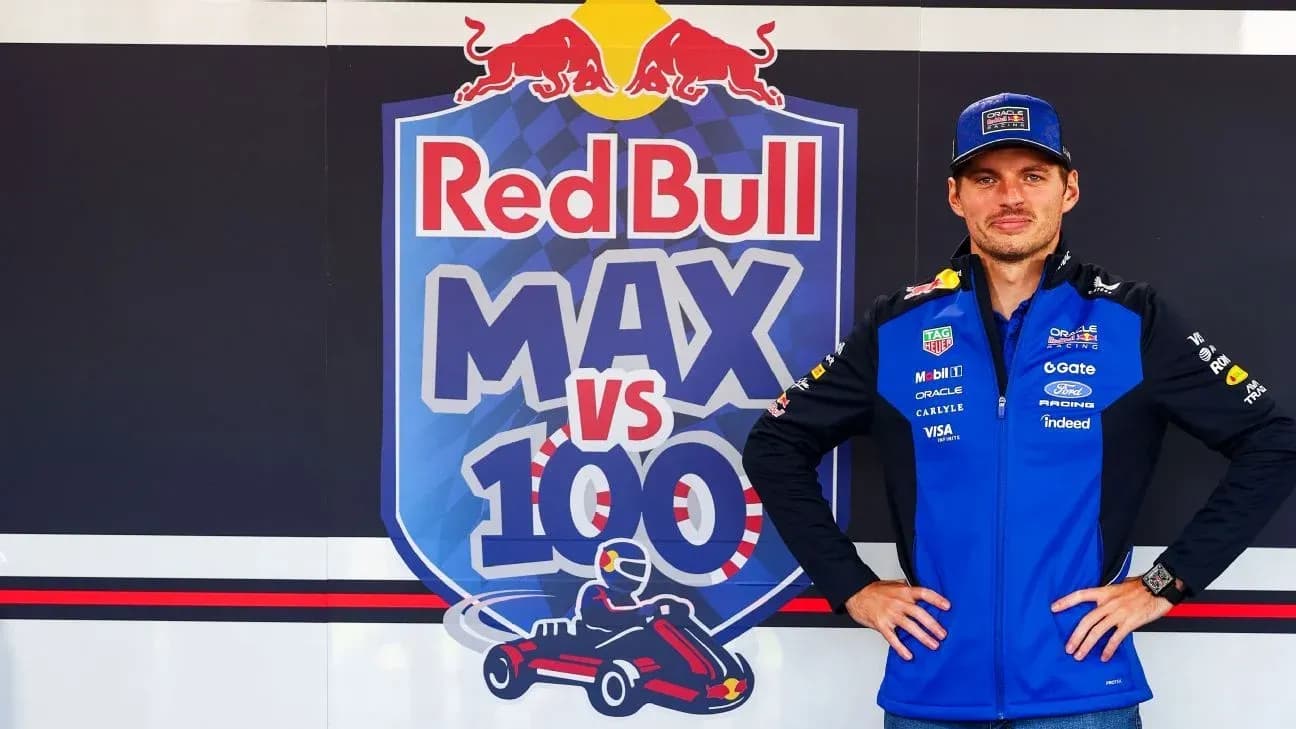
To make space, something had to give. The Dutch Grand Prix at Zandvoort falls off the calendar, a sharp twist for a venue that had become a sea of orange in honour of Max Verstappen’s dominance. The party moves on; the schedule never stands still.
Barcelona, Spa and a new rotation era
The other major shift comes with a nod to tradition – and a compromise with reality. Circuit de Barcelona-Catalunya will move into a rotational agreement with Spa-Francorchamps. From 2028, the Spanish Grand Prix at Barcelona will run in even-numbered years, while from 2027 Spa will host the Belgian Grand Prix in odd-numbered years.
It is a delicate solution. Spa remains one of the crown jewels of the sport, a track drivers revere and fans fear losing. Barcelona, long the testing yardstick, now shares Spanish hosting duties with Madrid from 2028, as the sport leans into its push towards major-city venues.
The calendar is no longer just about heritage. It is about geography, time zones, and commercial punch.
Monaco gets a Sprint – and two qualifying days
One of the most striking changes arrives in May. Miami keeps its early slot on the first weekend of the month, but the real headline comes in the weeks around it.
Canada becomes a Sprint weekend. So does Monaco – for the first time.
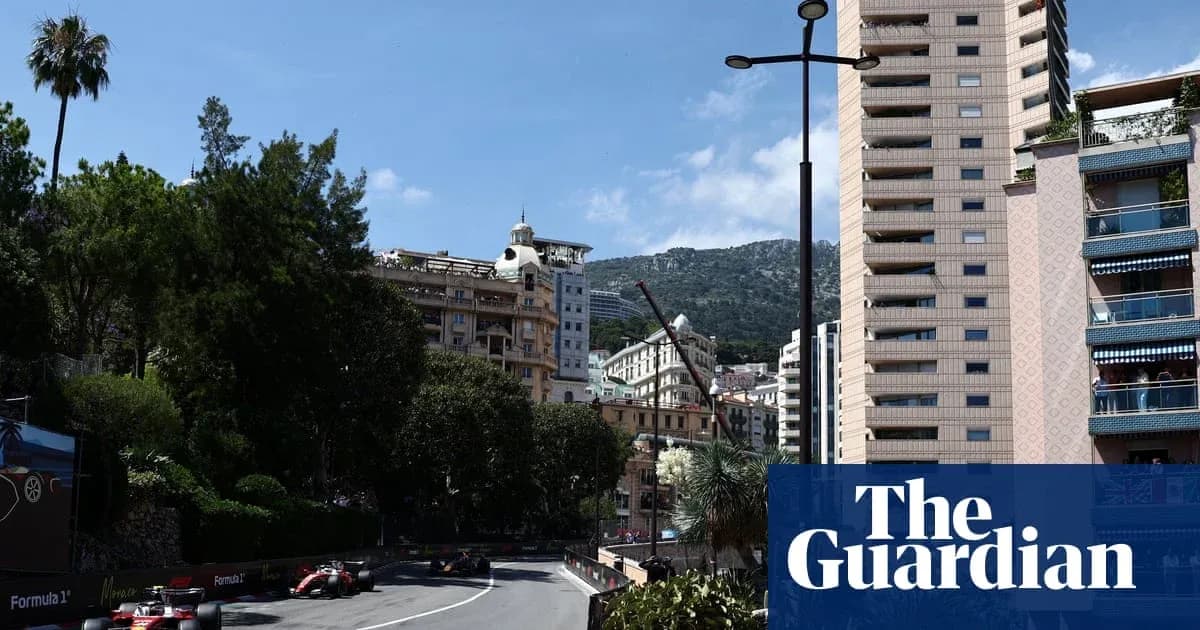
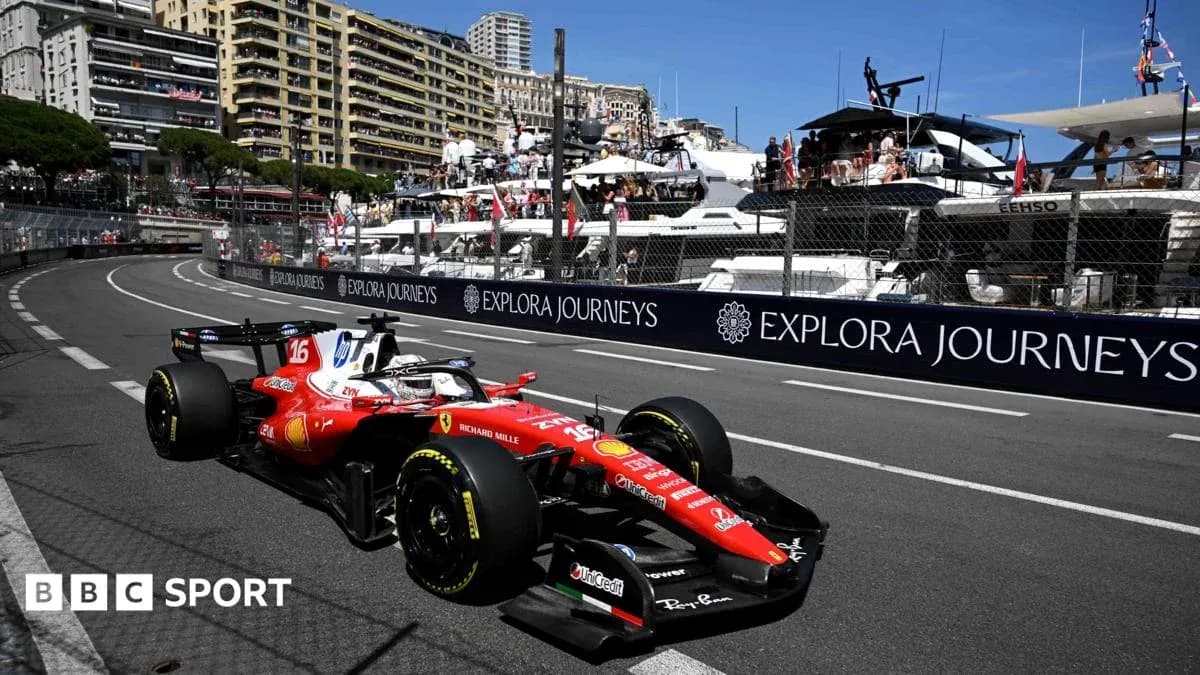
F1 has already flagged that fans will see “two thrilling qualifying sessions” around the streets of Monte Carlo. That means the tightest, most unforgiving circuit on the calendar will stage both a traditional qualifying and a separate Sprint qualifying, raising the stakes on every millimetre of track space and every brush with the barriers.
In a place where overtaking is notoriously scarce, the show will come from risk, precision, and the constant threat of one mistake rewriting a weekend.
Silverstone Sprint, Monza Sprint, and a longer summer break
After Monaco, the returning Portuguese Grand Prix drops into mid-June, before the British Grand Prix at Silverstone takes its turn as a Sprint weekend from July 2-4. Austria moves to follow Silverstone, keeping a European flow into the summer.
Back-to-back races in Belgium and Hungary then carry the paddock into the summer break. When F1 returns, it does so with a twist: the pause stretches to five weeks, one longer than usual, acknowledging the growing demands of a 24-race, 10-Sprint marathon.
The restart is anything but gentle. Monza hosts a Sprint in early September, an instant jolt of speed and jeopardy at the Temple of Speed, before the Spanish Grand Prix in Madrid follows a week later as the capital cements its place on the calendar.
Brutal autumn run and a Vegas outlier
The closing third of the season reads like a stress test.
Azerbaijan, Turkey and Singapore form a punishing triple-header across three very different but equally draining venues. Then comes the now-familiar Americas swing: Austin, Mexico City and Brazil, with Interlagos again designated a Sprint weekend.
Las Vegas keeps its unique slot as the only Saturday race of 2027 – though it will play out on Sunday morning in the UK. The neon spectacle remains an outlier in a calendar otherwise built around Sunday finishes.
From there, the season hurtles into its finale with two more Sprints. Qatar and Abu Dhabi, both Sprint weekends, close the year on December 10-12, turning the championship run-in into a three-day sprint-and-race gauntlet that could decide titles in a blur of points and pressure.
Domenicali and Ben Sulayem set out the vision
F1 president Stefano Domenicali framed the 2027 schedule as a statement of intent.
“The 2027 calendar brings together some of the most iconic circuits and vibrant cities in the world, creating an incredible stage for another unforgettable season of Formula 1,” he said. He highlighted the return of Portugal and Turkey and the expansion to 10 Sprints as a move to deliver “even more intensity, drama, and the wheel-to-wheel action that make our sport so special.”
FIA president Mohammed Ben Sulayem called the 24-race programme “a strong reflection of the global appeal and continued growth of our sport,” pointing to five continents, the comeback of Portugal and Turkey, and the enlarged Sprint schedule as a blend of “tradition, innovation, and fan engagement.”
Between the lines, the direction is clear. F1 is not easing off. It is doubling down – on volume, on variety, and on weekends where something meaningful is at stake from Friday to Sunday.
The question now is not whether the calendar is ambitious. It is whether teams, drivers, and fans can keep up with the relentless pace the sport has set for itself.