Formula 1 to Shorten Grands Prix and Tighten Time Limits in 2027
Formula 1 is about to feel a little shorter, a little sharper, and a lot more controlled.
From the 2027 season, the maximum race distance for grands prix will drop from 305km (189.5 miles) to 290km (180.2 miles), a significant shift for a sport that has long treated that 305km figure as a pillar of its identity.
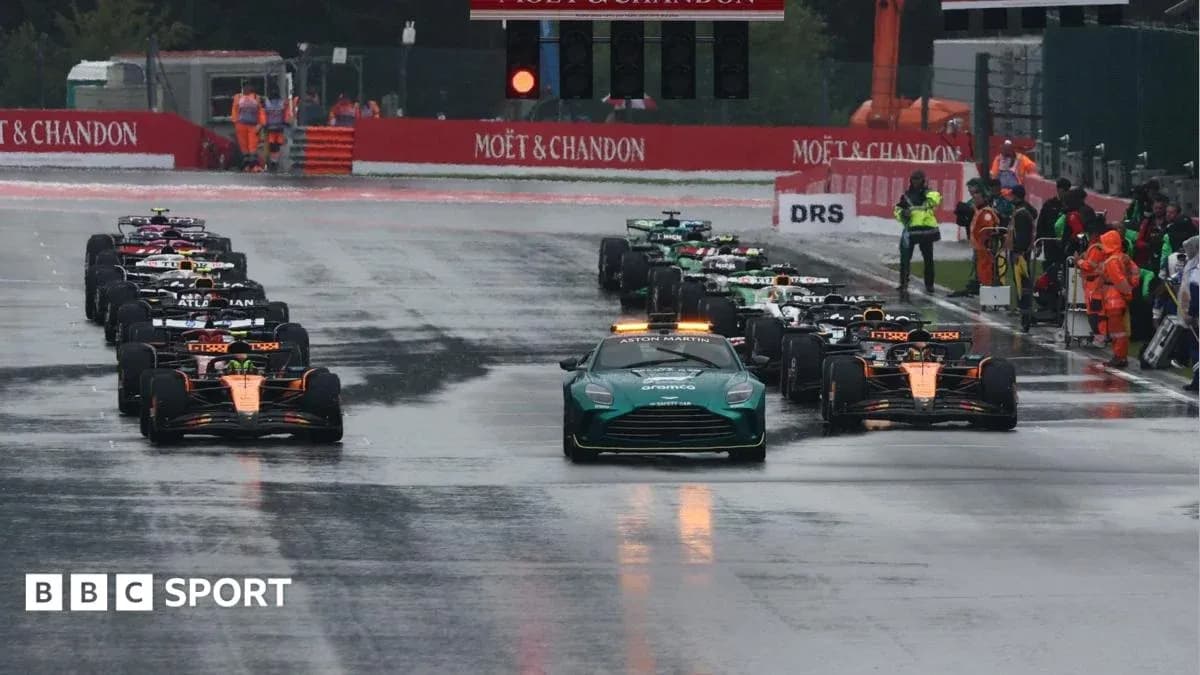
At the same time, F1 is overhauling how long a race weekend can be dragged out by chaos. The familiar two-hour limit of racing remains, but the old three-hour overall window for completing a grand prix will disappear. In its place comes a new “hard stop time” designed to bring clarity when rain, crashes or red flags rip through the schedule.
The hard stop will not be a one-size-fits-all number. It will be set race by race, tailored to local conditions. Night races, with floodlights and later curfews, will be allowed to run on longer than traditional daytime events where sunset and local regulations close in much earlier.
The FIA framed the changes in simple terms: this is about giving paying fans the best possible chance to see a full race, even when the weather or incidents intervene. Less ambiguity. More likelihood of getting to the chequered flag under green.
Behind the distance cut, though, sits a more technical – and more political – story.
F1’s power unit balance is shifting again. The ratio of internal combustion engine power to electrical power is moving from 53-47 this year to 58-42 next year, before settling at 60-40 in 2028. More reliance on the combustion engine means more fuel burned over a race distance.
That triggered alarm bells when it became clear some teams planned to carry their existing chassis into next year to save costs. The fuel tank is built into the chassis. Its size is fixed. No redesign, no extra capacity.
Run the cars harder on the engine, keep the same fuel tank, and suddenly a 305km grand prix starts to look like a stretch. The risk was obvious: a chunk of the grid potentially unable to reach the flag without extreme fuel saving, or worse, without finishing at all.
The answer, agreed at a meeting of the F1 Commission – the body that brings together the teams, the FIA and commercial rights holder F1 – was to trim the race distance. Cut the kilometres, ease the fuel load, and protect both the sporting show and the financial reality of teams that do not want, or cannot afford, a full chassis redesign.
The Commission also signed off another tweak aimed squarely at improving track action: more flexibility to extend free practice sessions when they are interrupted.
Right now, practice time simply bleeds away during a red flag. The clock keeps running, even if every car is parked in the garage while marshals clear debris or recover a stranded car. Qualifying and races pause under red flags; practice does not.
That mismatch has frustrated teams and fans alike, particularly on weekends where limited running leaves drivers underprepared and engineers short on data. Under the new approach, race control will have more room to add time back to a disrupted session, stretching practice to claw back some of what was lost.
Shorter races. Sharper time limits. More flexible practice. Formula 1 is tightening the frame around its weekends, but the real question is how teams will exploit every lap, every minute, in a sport that never stops hunting for an edge.