Formula 1 Expands Sprint Format to 10 Events in 2027
Formula 1 will turn up the volume again in 2027, stretching its sprint format to an unprecedented 10 events and reshaping a calendar that mixes old favourites, returning hosts and geopolitical uncertainty.
Sprints go global
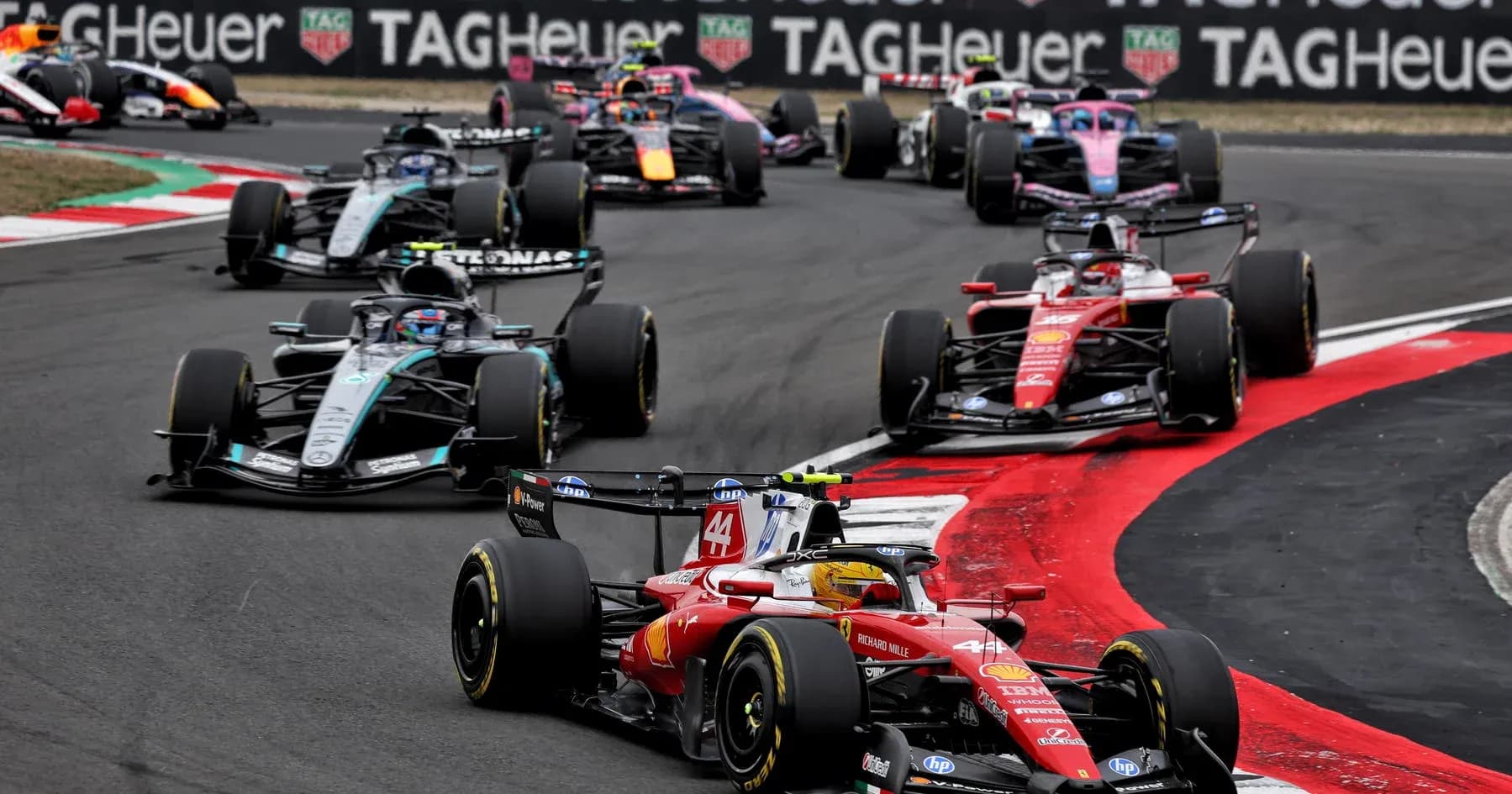
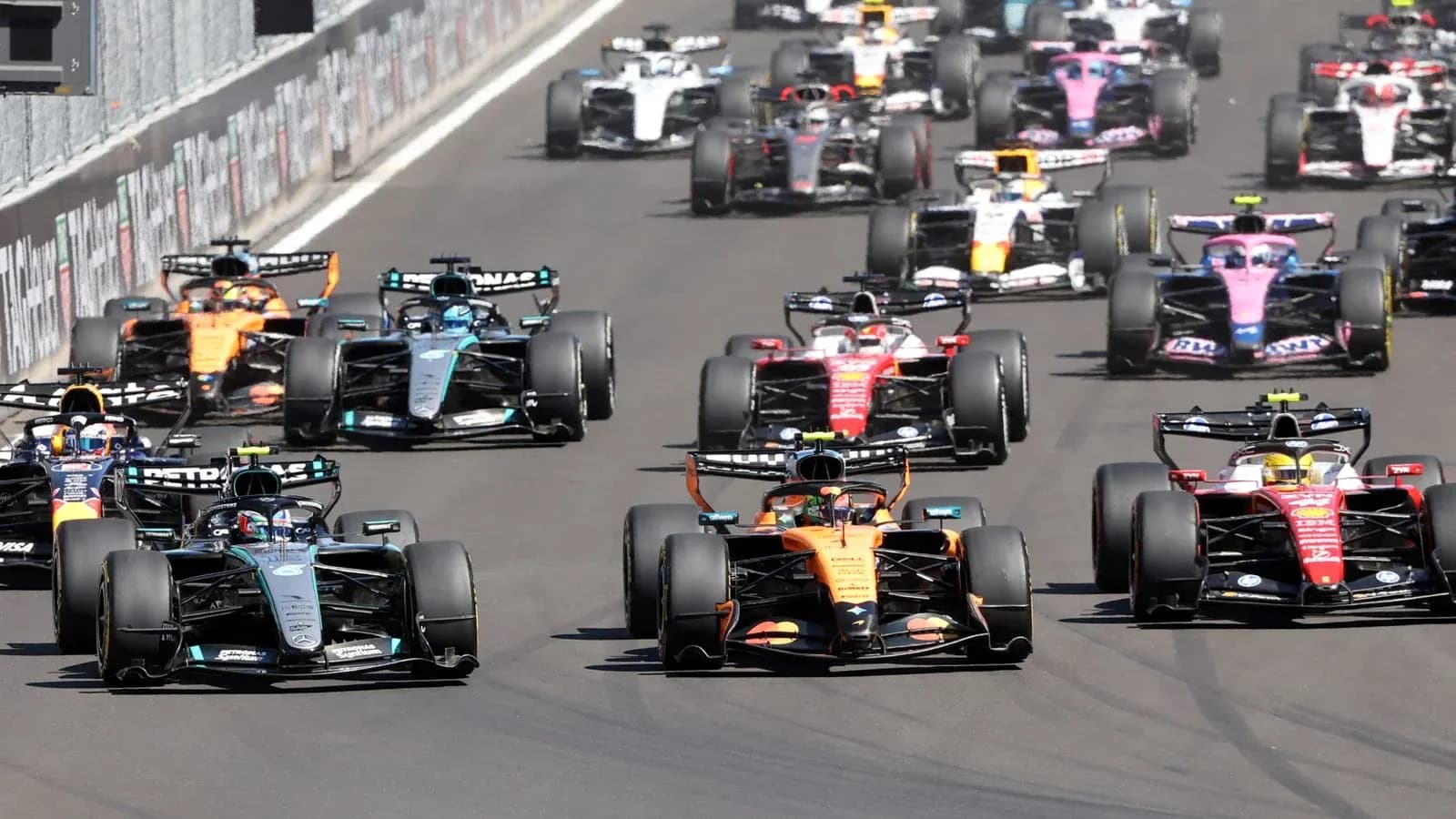
The headline change is clear: six sprint weekends become 10. What started as an experiment is now embedded in the championship’s DNA.
For the first time, sprint races will land in Bahrain, Australia, Japan, Monaco and Abu Dhabi. Canada, Britain, Italy, Brazil and Qatar keep their places in the short-race club, giving promoters a powerful sales pitch – meaningful, competitive running on all three days, not just the traditional Saturday-Sunday crescendo.
Organisers pay more to stage a sprint weekend, but they are queuing up. Silverstone is the case study F1 executives like to quote: the British Grand Prix posted its highest-ever attendance this year, with 64,000 extra fans across four days compared with the previous, non-sprint edition. More racing, more risk, more ticket sales. The commercial logic is obvious.
Monaco’s bold experiment
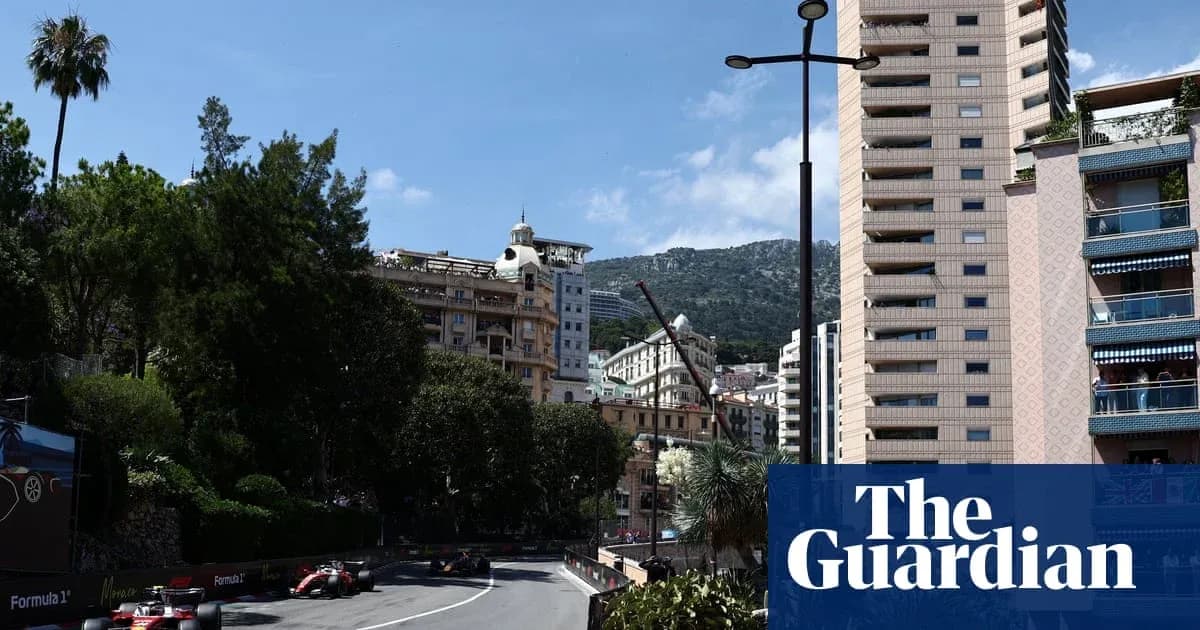
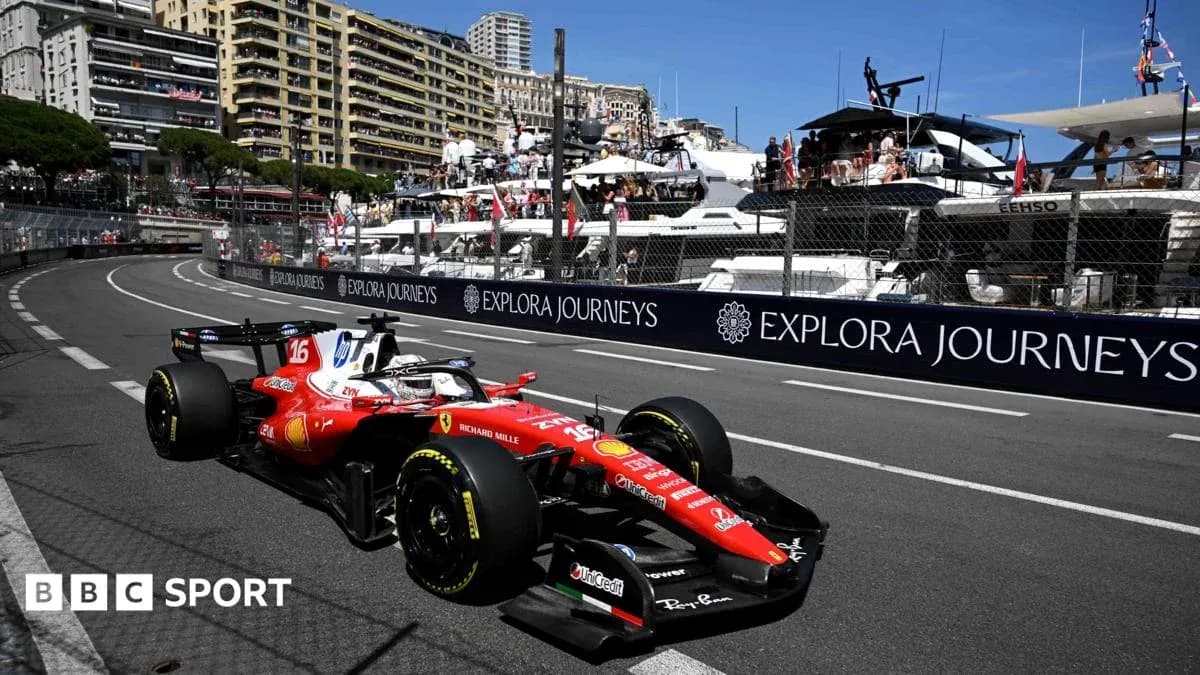
One venue on that sprint list will split opinion instantly: Monaco.
Overtaking around the principality’s tight, Armco-lined streets is notoriously rare. Once the cars snake through Sainte Dévote and up the hill on lap one, the order tends to set like concrete. That reality will not change because the race is shorter.
So why go there with a sprint?
F1 is selling Monaco’s sprint weekend on the purity of qualifying. Drivers talk about a flat-out lap around the harbour as one of the sport’s ultimate challenges, a high-speed tightrope where the smallest error ends in the barriers. A sprint format means two separate qualifying sessions in the same weekend and, crucially, two chances to shuffle the grid.
Two qualis, two potential storylines. A misjudged run in one session no longer ruins the entire weekend. A changing track, shifting weather, or a red flag at the wrong moment could leave the field jumbled twice over, injecting some badly needed variability into a race that rarely delivers overtakes on Sunday.
The trade-off is obvious. With so few passing opportunities, the sprint’s finishing order will likely be set by the time the field completes the opening lap, barring accidents or reliability shocks. F1 is betting that the spectacle of qualifying – twice – is enough to justify the gamble.
A stretched calendar with familiar flashpoints
The 2027 season is scheduled to open in Bahrain on 12-14 March, followed a week later by Saudi Arabia. Bahrain remains the default curtain-raiser, even though Australia has opened the past two seasons because of the timing of Ramadan.
Nothing about that early Middle East swing is guaranteed. The ongoing conflict involving the US/Israel and Iran casts a long shadow over the region. F1 wants to stick to its plan, but it is already working on contingency options if racing in the Gulf proves impossible by the end of this year.
The same uncertainty hangs over the back end of the current 2026 campaign, which is due to close with races in Qatar and Abu Dhabi. Officially, the championship aims to complete the calendar as published. Quietly, alternative scenarios are being mapped out.
On Sunday, a summit of nations involved in or affected by the conflict called for “maximum restraint” in the war. F1’s planners can only wait, watch and prepare.
Pre-season testing, at least, looks straightforward on paper: Bahrain again, 24-27 February, a now-familiar desert proving ground for new machinery.
Portugal and Turkey return
Beyond the sprint expansion, the 2027 schedule leans on a blend of tradition and revival.
Portugal and Turkey are back, both returning for the first time since they stepped in as pandemic-era stand-ins. Their circuits – Portimão’s rollercoaster layout and Istanbul Park’s flowing, high-speed corners – earned respect from drivers and fans alike during that brief stint. Now they rejoin a full-fat calendar, not as emergency cover, but as planned fixtures.
In total, the season will feature 24 grands prix across five continents, underlining F1’s ambition to plant flags in as many key markets as possible.
The British Grand Prix, one of the sport’s blue-riband events, takes its 2027 slot on 2-4 July. Silverstone will again stage a sprint, armed with hard evidence that the format boosts the gate and the atmosphere.
The vision from the top
For F1’s leadership, the expanded sprint programme and the return of Portugal and Turkey are not just scheduling tweaks but statements of intent.
F1 president and chief executive officer Stefano Domenicali said: “We are thrilled to welcome Portugal and Turkey to the championship and to expand sprint racing to 10 events, giving our fans even more intensity, drama, and the wheel-to-wheel action that make our sport so special.”
From the regulatory side, FIA president Mohammed Ben Sulayem framed the 2027 calendar as a marker of the sport’s reach and momentum.
“The 2027 FIA F1 World Championship calendar is a strong reflection of the global appeal and continued growth of our sport,” he said. “With 24 grands prix across five continents, the return of Portugal and Turkey, and the opportunity for an expanded sprint programme, the calendar combines tradition, innovation and fan engagement while maintaining the highest sporting standards.”
The message is unmistakable: more races, more sprints, more markets – and a willingness to push the format into even the most traditional of arenas, like Monaco.
The only question now is how much more intensity the teams, drivers and fans can absorb as F1 keeps stretching the limits of its own calendar.