Formula One 2027 Calendar: Ten Sprints and Ambitious Schedule
Formula One has locked in its 2027 calendar – and it is the boldest, busiest, and most sprint-heavy schedule the sport has ever attempted.
Ten sprint weekends, Monaco included. Twenty-four grands prix. Three triple-headers. Two returning circuits. One championship stretched to its physical and logistical limits.
Sprints go centre stage – even at Monaco
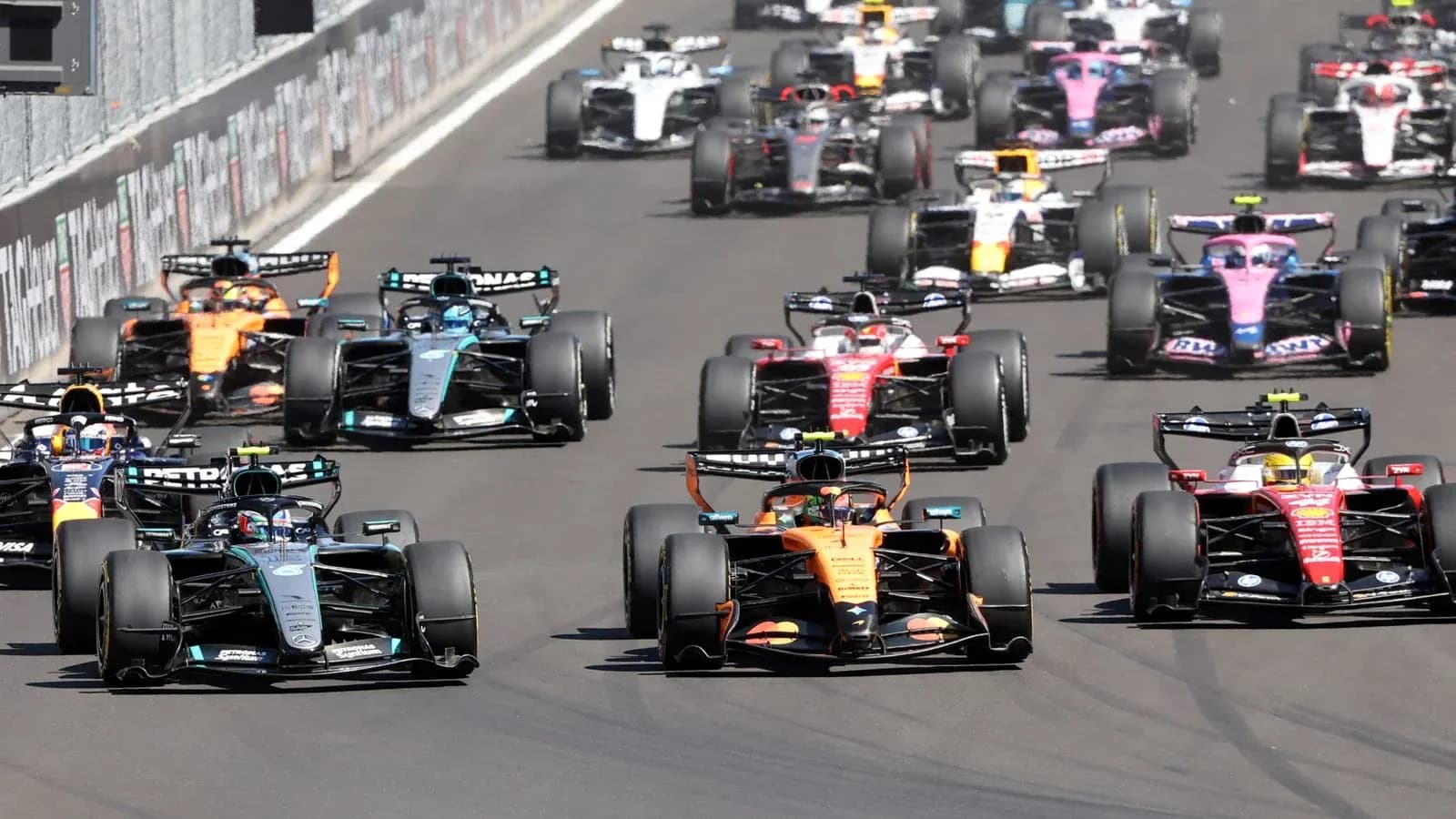
The headline move is unmistakable: sprint races jump from six to 10, a clear statement that F1 is doubling down on the format.
Bahrain, Australia, Japan, Monaco and Abu Dhabi will stage sprints for the first time. The short-form race also returns to familiar venues in Montreal, Silverstone, Monza, São Paulo and Lusail.
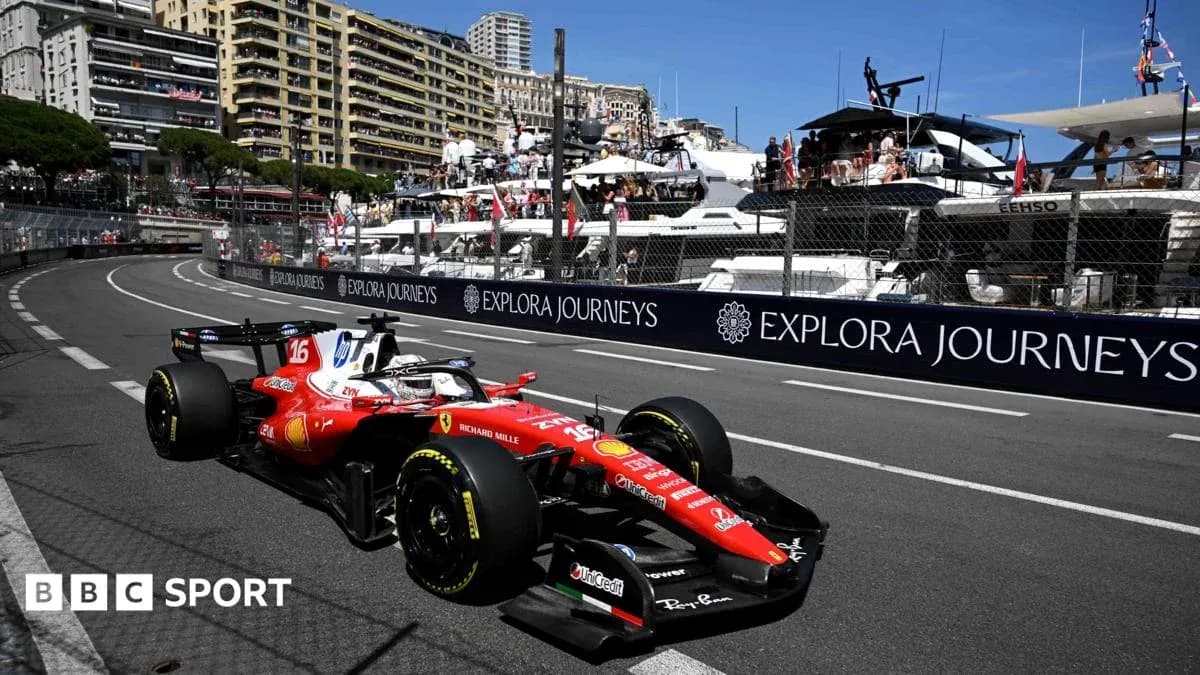
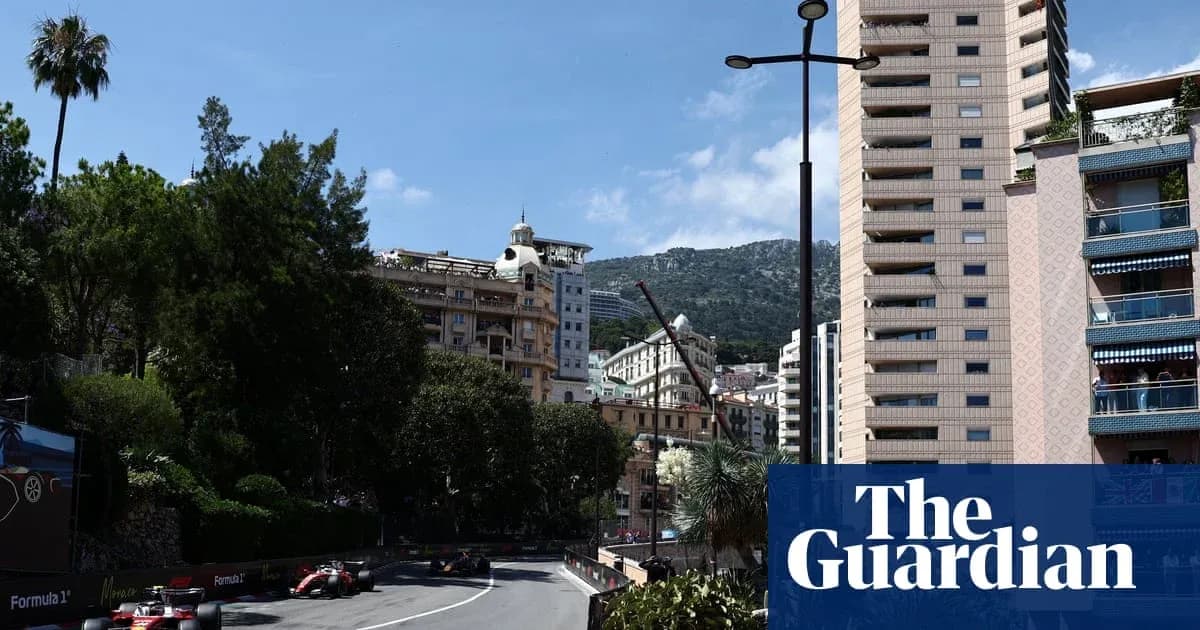
Monaco’s inclusion is the most striking. A circuit defined for decades by qualifying now gets a second competitive session. On a track where overtaking is notoriously scarce, F1 is betting that extra jeopardy – and the risk of a Saturday shunt – will sharpen the weekend rather than dilute it.
The pressure to deliver spectacle every day of a race weekend has never been clearer.
Bahrain opens, Abu Dhabi closes – with new stops in between
The 2027 season will again open under the lights in Bahrain on 14 March and close in Abu Dhabi on 12 December, maintaining the now-familiar bookends to the campaign.
Between those markers, the calendar stretches across 24 races, with Portugal and Turkey returning to the fold.
Portimão is back on 20 June. The Algarve circuit, which last appeared during the Covid-disrupted 2021 season, offered elevation changes, exposed ridges and a surface that punished mistakes. It now gets its first shot at a full-fat, non-pandemic slot on the calendar.
Istanbul resurfaces on 3 October. The Turkish track, a regular from 2005 to 2011 and a popular stand-in during the pandemic, reclaims its place with Turn 8 – that brutal, multi-apex left-hander – once again set to test neck muscles and tyre management in equal measure.
Barcelona out, Spa rotates, Zandvoort gone
The reshuffle has clear losers. Barcelona, as planned, drops off the 2027 schedule. The Spanish venue is set to rotate its hosting duties on alternate years with the Belgian Grand Prix at Spa, a compromise designed to keep both on the map while freeing space for other markets.
The Dutch Grand Prix at Zandvoort, revived to huge home support during the Verstappen era, bowed out this year. It does not return on the 2027 list. A coastal amphitheatre that roared orange has gone quiet, at least for now.
A gruelling rhythm: three triple-headers
The shape of the season will test teams as much as any regulation change.
There are three triple-headers:
- Australia, Japan and China in April
- Azerbaijan, Turkey and Singapore in September–October
- United States, Mexico and Brazil in October–November
That final run, in particular, will bite: three high-profile races, three demanding logistics swings, three weekends where a bad Friday can derail almost a month of work.
One notable easing of the strain comes in North America. Las Vegas, which joined the calendar with a late-season night race, no longer sits back-to-back with Qatar and Abu Dhabi. The sport has inserted a one-week gap after the Nevada race, a direct response to what teams regarded as a punishing, almost unsustainable, end-of-year slog.
Middle East stays in place – with quiet contingency
All four Middle Eastern rounds keep their usual slots on the 2027 schedule. The current season’s calendar also remains unchanged for now, with Qatar and Abu Dhabi still in line to close out the championship.
That stance comes despite a turbulent year. In April, the Bahrain and Saudi Arabian grands prix were cancelled because of the war in the Middle East. Bahrain’s race has been shifted to Malaysia in October as a replacement.
Officially, there is no public contingency plan for 2027 if further disruption hits the region. Behind the scenes, though, F1 has already been weighing alternatives. For the current campaign, while the intention is to race as planned in Qatar and Abu Dhabi, Imola is on standby to host a December season finale should those events be called off.
The message is clear: the sport will push to stick to its schedule, but it will not be caught unprepared again.
Domenicali’s global vision
For F1’s hierarchy, this calendar is not just a list of dates; it is a statement of where the championship wants to live.
F1 CEO Stefano Domenicali framed it as proof of the sport’s expanding reach. “Formula One continues to go from strength-to-strength, attracting new audiences around the globe,” he said. “Week after week, the world’s greatest drivers will battle on some of the most challenging tracks in motor sport, supported by F1’s outstanding teams, world-class manufacturers, and global partners. Together, they create a spectacle unlike anything else in sport.”
The words match the map. Old favourites like Monza, Silverstone and São Paulo share space with Las Vegas, Lusail and now a returning Portimão and Istanbul. Sprints are no longer an experiment on the fringes; they cut through the heart of the season.
Twenty-four races. Ten sprints. Three triple-headers. F1 has laid down its most ambitious schedule yet.
Now the question is simple: who can survive it and still be champion in December?