Three Hall of Famers, Ten Fights, 109 Rounds: The Rivalry That Shaped Lightweight Boxing's Golden Era
The Rivalry That Marked Lightweight Boxing in the 1940s and 1950s
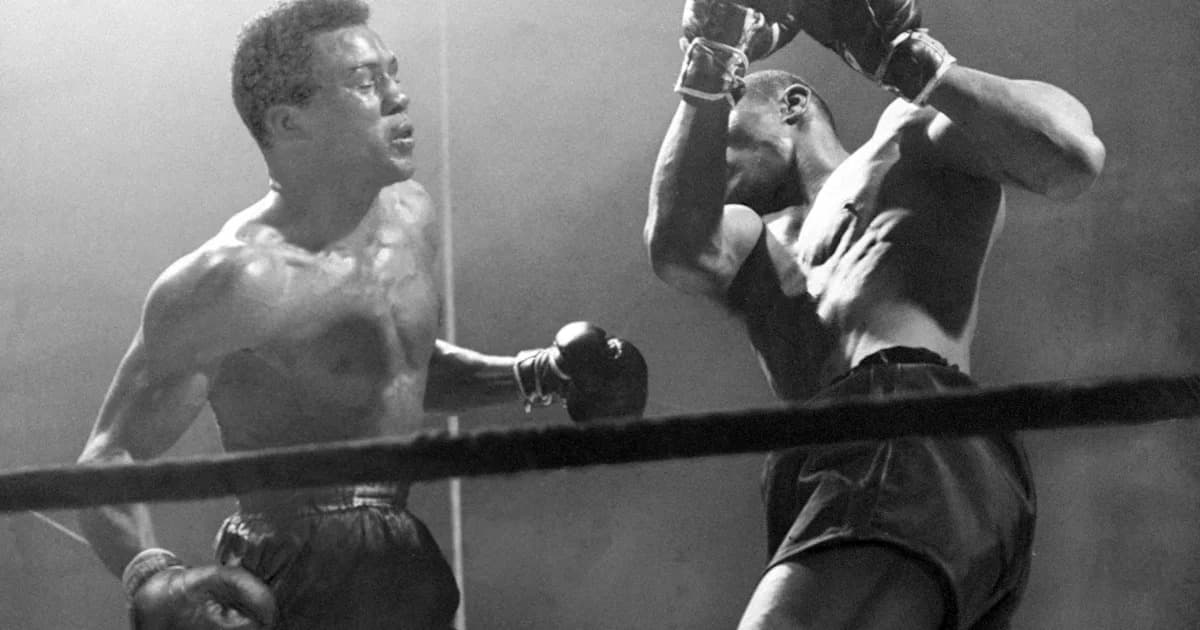
In a time when lightweight boxing was fiercely competitive, three legends—Bob Montgomery, Beau Jack, and Ike Williams—stood out. These Hall of Famers battled one another ten times across 109 rounds, defining an era with their relentless clashes.
Recently, there’s been talk about the so-called "Four Princes"—Ryan Garcia, Gervonta Davis, Teofimo Lopez, and Devin Haney—all seen as future dominant forces at 135 pounds. Yet, they've only met twice in the ring: Davis knocked out Garcia in April 2023, and Garcia edged Haney by majority decision later overturned due to doping. Now mostly fighting at welterweight, it seems unlikely they’ll share the ring again anytime soon due to politics and egos.
Contrast that with Montgomery, Jack, and Williams, who came from tough backgrounds during the Depression, turning to boxing not just for sport but survival. They consistently faced each other multiple times to settle supremacy in the division.
Early Lives and Beginnings
- Bob Montgomery: Born in 1919 in South Carolina, moved to Philadelphia at 15, worked in laundries, began boxing at The Slaughterhouse gym. Managed by Joe Gramby, a key figure in Philly boxing.
- Beau Jack: Born Sidney Walker in 1921 in Georgia. After losing his mother, he lived with his grandmother and worked shining shoes at Augusta National Golf Club. His early participation in brutal "Battle Royales" led him toward boxing, supported by golf legend Bobby Jones.
- Ike Williams: Born in 1923 in Georgia, moved to New Jersey after his parents separated. Started fighting as a newsboy and trained under ex-fighter Jesse Goss. Also excelled in track and baseball during high school.
The Fighters’ Styles
Historian Bert Sugar described Beau Jack as a whirlwind of punches, throwing everything from hooks to bolo punches with a wild but effective style. Standing tall at 5-foot-9, Williams was a boxer-puncher who used his reach and powerful combinations, boasting 61 knockouts. Montgomery was known for aggressive forward pressure, earning the nickname "The Bobcat" for his relentless pursuit and pawing attacks.
Timeline of Their Battles
- May 21, 1943: Montgomery vs. Jack I at Madison Square Garden for the NYSAC title before 18,000 fans. Montgomery recovered from an early beating to claim a unanimous victory and the title.
- Nov. 19, 1943: Montgomery and Jack II, a rematch at the Garden where Jack won by decision after adopting a new strategy under trainer Larry Amadee.
- Jan. 25, 1944: Montgomery faces Williams in Philadelphia. Montgomery dominated, scoring three knockdowns in the final round, knocking Williams out cold.
- Feb-April 1944: Despite a surprising 63-second knockout loss to Al Davis, Montgomery defeated Jack in their third fight via split decision. Jack then defeated Davis, while Montgomery awaited a chance to unify titles.
- Aug. 4, 1944: Jack beats Montgomery in their fourth and final meeting (10 rounds, non-title), with proceeds supporting the war effort and many veterans attending.
- Aug. 4, 1947: Williams and Montgomery meet again, this time for the undisputed title. Williams scored two knockdowns in the sixth round, earning a decisive win.
- July 12, 1948: Williams and Jack battle at Shibe Park in Philadelphia. Williams stops Jack with a ferocious body attack and referee stoppage in the sixth round.
- 1951 & 1955: Williams and Jack fought three more times. Williams won a controversial split decision in 1951, followed by a draw and a ninth-round stoppage in 1955, which marked the rivalry’s end in their shared home state of Georgia.
Records and Legacy
- Williams: 4 wins, 1 loss, 1 draw versus the other two
- Montgomery: 3 wins, 3 losses
- Jack: 2 wins, 5 losses, 1 draw
Only three of their ten fights ended before the final bell, resulting in 109 hard-fought rounds of intense competition. More than just records, their readiness to face one another repeatedly despite the risks forged enduring legacies and Hall of Fame careers.
Maybe the current generation of lightweights could take note, focusing less on politics and more on settling rivalries inside the ring to build lasting reputations like these icons once did.