Lewis Hamilton's Struggles at Monza: Ferrari's Internal Friction
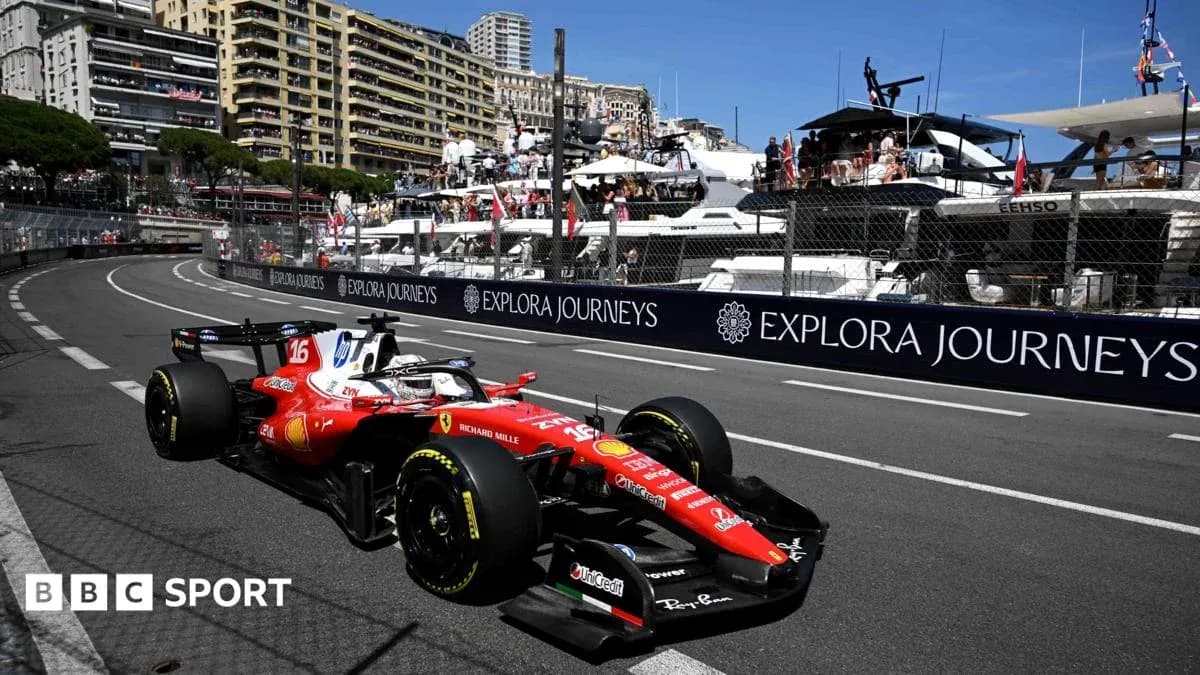
Lewis Hamilton cut a resigned figure as he walked out of Monza on Sunday night, the roar of Ferrari’s home crowd still echoing around a circuit that had just watched its team implode.
“Far too late,” he said of any idea that Ferrari might now throw their weight behind him over Charles Leclerc in the title fight. And he knew exactly what that meant for his season.
A nightmare opening lap
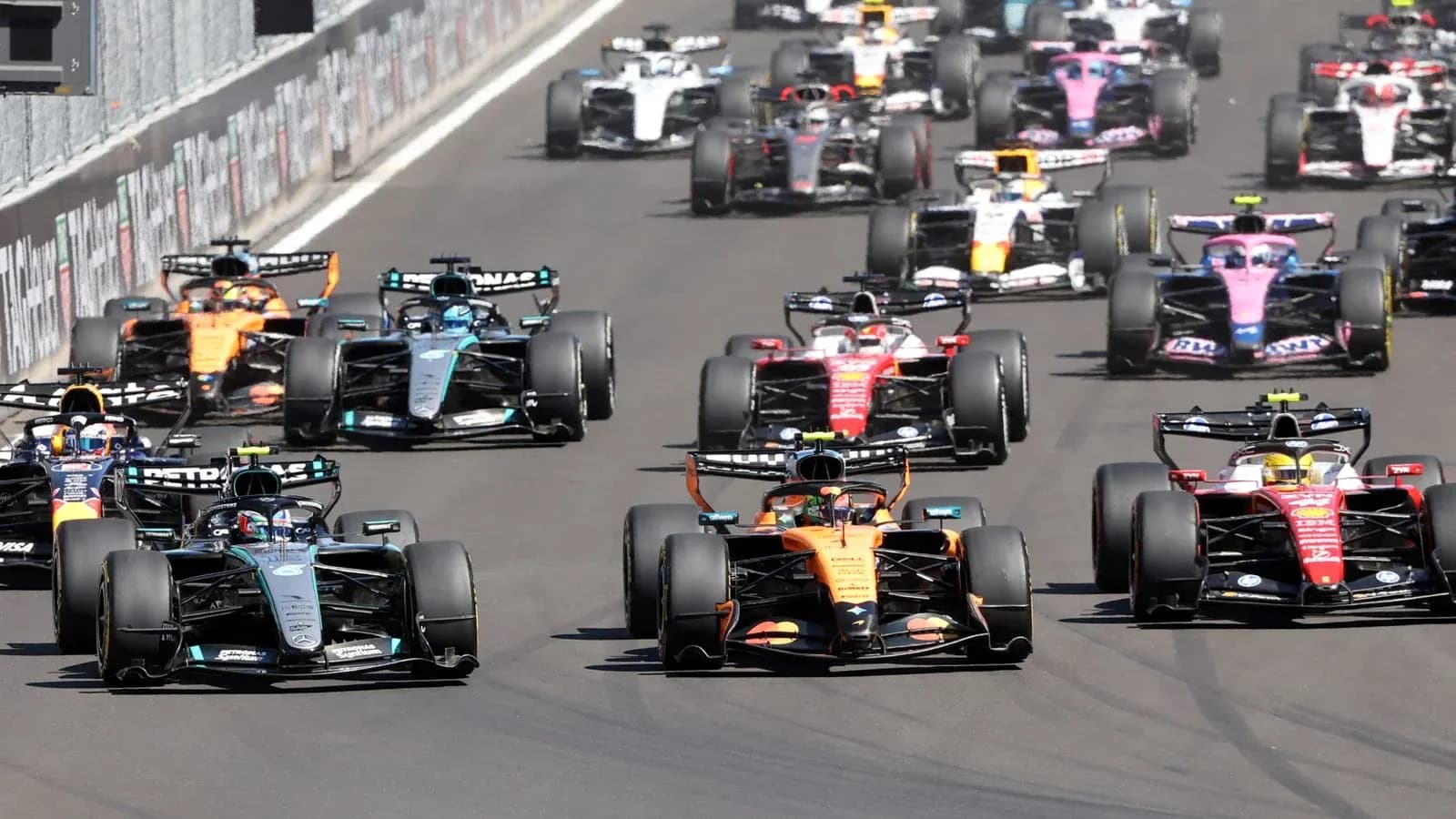
Hamilton had started fourth with a realistic shot at the podium. By the time the field reached the Roggia chicane on lap one, that chance had been badly damaged – by his own team-mate.
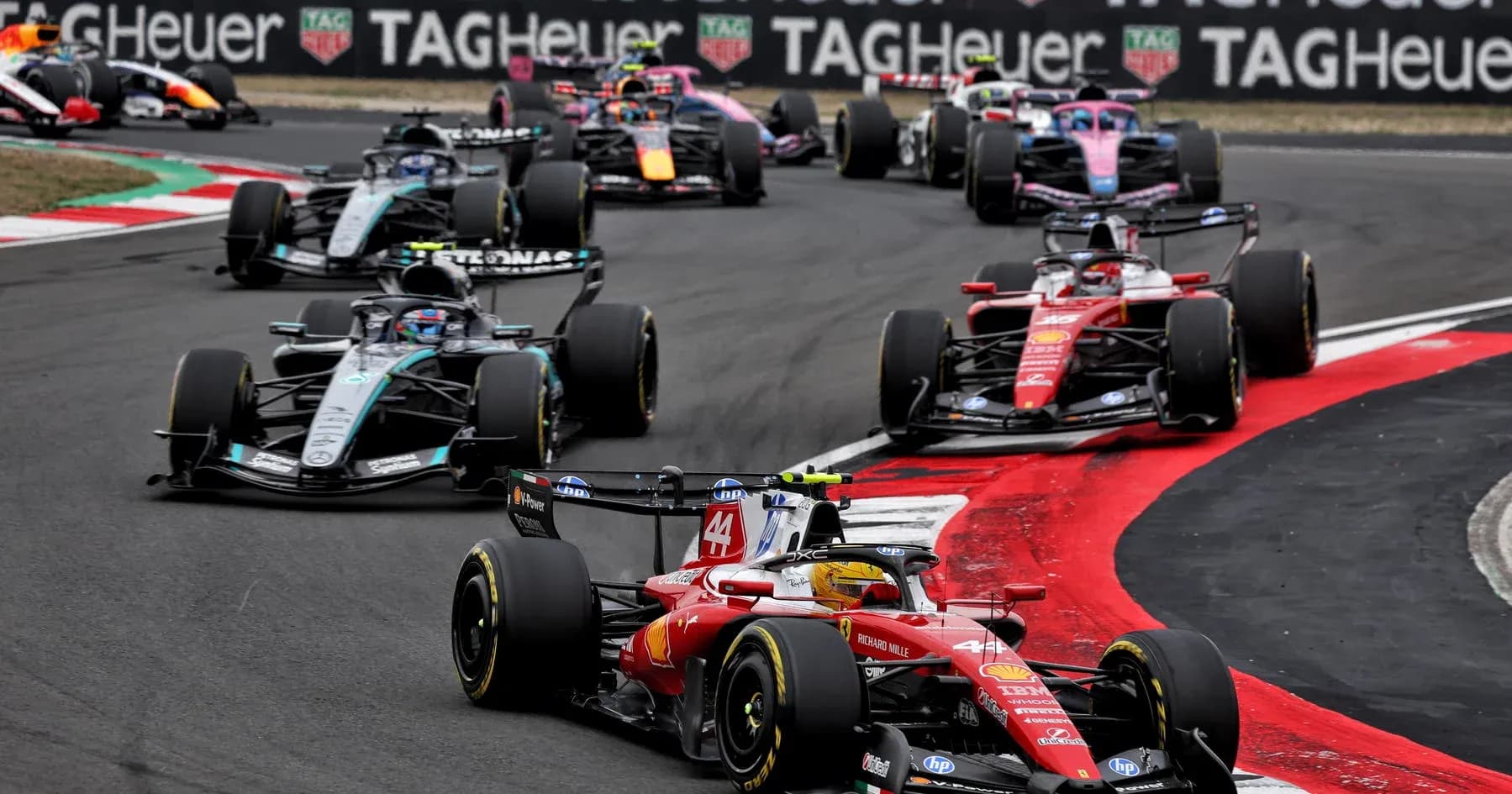
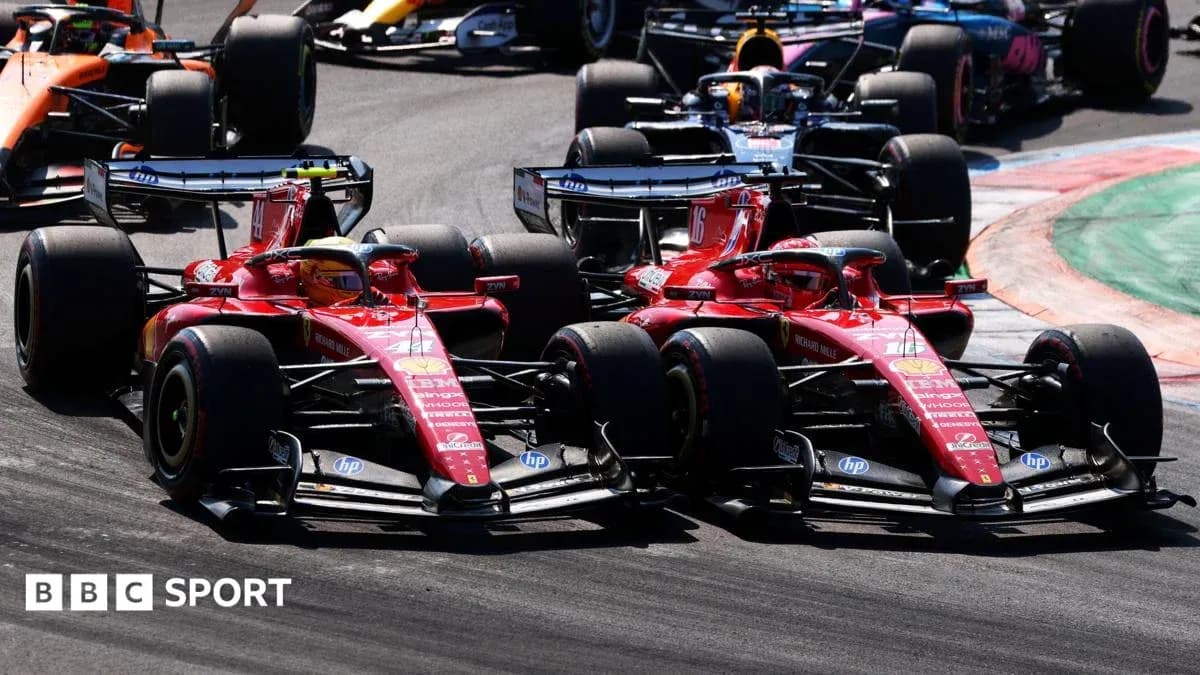
Leclerc forced Hamilton onto the grass on the run out of the first chicane as the pair fought wheel-to-wheel, dropping the seven-time world champion to 10th. It was hard, uncompromising racing between two scarlet cars on Ferrari’s home asphalt, and it lit the fuse on an already simmering dynamic.
Moments later, the tifosi gasped as Leclerc lost control at high speed at Parabolica and slammed into the barriers. The Monegasque walked away, but his race – and Ferrari’s early double-pronged attack – was over. A red flag followed. Hamilton, suddenly the team’s only hope, sat in the pit lane with a damaged restart position and a damaged mood.
Mercedes disappear, Ferrari stall
When the race resumed, Mercedes did what Ferrari had hoped to do in front of their own fans: dominate. A one-two for the Silver Arrows at Monza underlined the scale of the challenge Hamilton now faces in red.
Hamilton, who had come into the weekend level on points with George Russell in the standings, left 10 points behind his former team-mate and a further 76 adrift of championship leader and race winner Andrea Kimi Antonelli.
“I think from today, we’ve just lost so much ground to [Mercedes] on points,” Hamilton admitted. “It’s too late. All I can do is just try and turn up. I’ll get up tomorrow morning and I’ll give it my best.”
He knows the mathematics as well as anyone.
“It’s never over until it’s over. I don’t know how many points it is now, but I’m sure it’s 60, 70. It’s an amount that, with the pace that they have, it’s a very, very difficult amount to close out.”
Difficult. Not impossible. But Monza felt like a door slamming shut.
Old wounds from Zandvoort
This was not an isolated flashpoint. The tension has been building since Zandvoort.
At the Dutch Grand Prix, Hamilton – two places ahead of Leclerc in the championship – felt Ferrari dithered when he was clearly the quicker car on fresher tyres. Leclerc, running third on a different strategy, stayed ahead longer than Hamilton thought necessary, costing him time in his chase of the podium.
When Ferrari finally pitted Leclerc, Hamilton’s frustration spilled over the radio: “Great way of wasting time, good job.” The words stung. He later apologised, but the feeling lingered.
Monza, with a first-lap squeeze and a title battle slipping away, only hardened his stance.
‘There was no “we” in it’
Leclerc, speaking after his lap-two crash, acknowledged the opening-lap duel had been on the limit.
“It was way too close into turn one,” he said, adding that he wasn’t sure if there had been contact. “I was quite a lot on the inside kerb and tried to make the corner, which I didn’t do it tight enough. And then I only saw in the mirrors what happened, which is never what you want between two cars of the same team.”
Hamilton saw it differently.
“I was ahead in turn two by the ethics, I was ahead,” he said pointedly. “There was no ‘we’ in it.”
The choice of words was deliberate. This wasn’t just about one corner at Monza. It was about how Ferrari handle a pairing that still doesn’t have clear hierarchy in a season that is slipping away.
Asked whether Ferrari fans should fear a full-blown feud between their drivers, Hamilton pushed back.
“Look, I don’t race dirty. I’ve always raced clean and fairly and always left space. So I don’t think they should be worried about me.
“I’ve come into the team and tried to be respectful of space and definitely not put the team in jeopardy. I stand by that and that’s all I can talk about.”
Vasseur’s balancing act
Team principal Frédéric Vasseur did not try to dress it up.
The incident between his drivers was “not good”, he admitted, but he also pointed out that every top team lives with internal friction when the stakes rise.
He resisted calls for an immediate, hard-line team order, instead reaching for a broader example.
Last year, he noted, Oscar Piastri led McLaren at a similar stage of the season. Had McLaren thrown everything behind the rookie, Max Verstappen and Red Bull would still have cruised to the title. The implication was clear: back one driver too early and you risk wasting your only leverage.
“For sure, at one stage you have to make a decision,” Vasseur said, “but I think it was too early to make a decision before Monza. Now we have time to discuss with the guys.”
Time, yes. Margin, less so.
‘We’ve got to change things’
Hamilton’s message to Ferrari now goes beyond who gets priority on strategy calls. It cuts into how the team operates when the lights go out.
“If we continue to travel the same path, we get the same result,” he said. “And it’s like we keep getting the same result. We’ve got to change things because it’s not helping us to move forward. I think they’re receptive to it and we’ll take it offline.”
That last line matters. The public shots have probably been fired. What happens next will be decided in meeting rooms at Maranello, not over the radio at 300km/h.
Monza was supposed to be the weekend Ferrari ignited their season in front of their own people. Instead, it left them with a bruised car, a bruised title bid and a partnership that now demands hard answers.
How long can Ferrari afford not to pick a side?